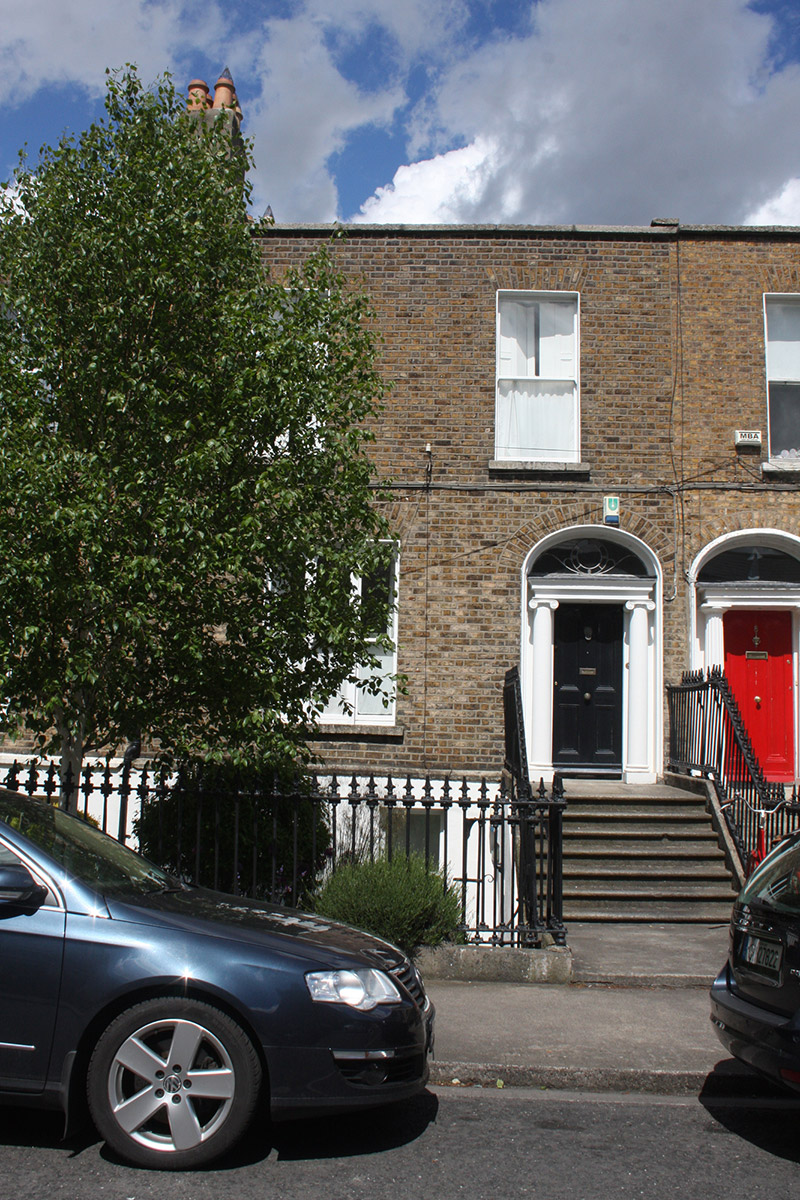
What is recorded here
Terraced two-bay two-storey house over raised basement, built c. 1855, as one of terrace of eleven. Return to rear. Pitched slate roof. Rendered chimneystacks with terracotta pots and parapet having cut granite coping. Shared cast-iron rainwater goods. Brown brick, laid in Flemish bond, to wall to front (south) elevation, cut granite plinth course over rendered wall to basement. Square-headed window openings with granite sills and raised rendered reveals, one-over-one pane timber sliding sash windows. Tripartite window having round-headed panes to ground floor. Some shutters visible to interior. Elliptical-headed door opening to front elevation, with moulded render surround. Timber doorcase comprising Ionic pillars supporting carved cornice. Leaded decorative fanlight having roundel. Timber panelled door with brass fittings. Nosed granite steps having stub of boot-scrape to platform, cast-iron railings on cut granite plinth walls. Square-headed door opening with recent door to basement. Cast-iron pedestrian gate having spoked finials and matching railings on cut granite plinth wall enclosing basement area.
A well-proportioned house retaining historic features including a well-executed doorcase and timber sliding sash windows. Its fine railings are testament to the quality of Victorian mass-produced ironwork, and add to both the setting of the house and the character to the streetscape. Built for the growing middle class, its classically-influenced style denoted respectability. Up to the early 1840s the area that now comprises Grantham Street was still largely greenfield. However suburb development soon followed, and P. Monks was building on the street in the late 1850s. In 1862, Thom's Almanac noted that a number of houses were still being built on the street at the time. It also listed a broad range of residents including a professor of music, secretary of Army Medical Board, toothbrush maker, manufacturer, and curate.
This does not grant access. Most recorded buildings are privately owned; view them only from public ground unless the owner allows entry.
Places near here
 The Copper House GalleryGallery · 62 yd
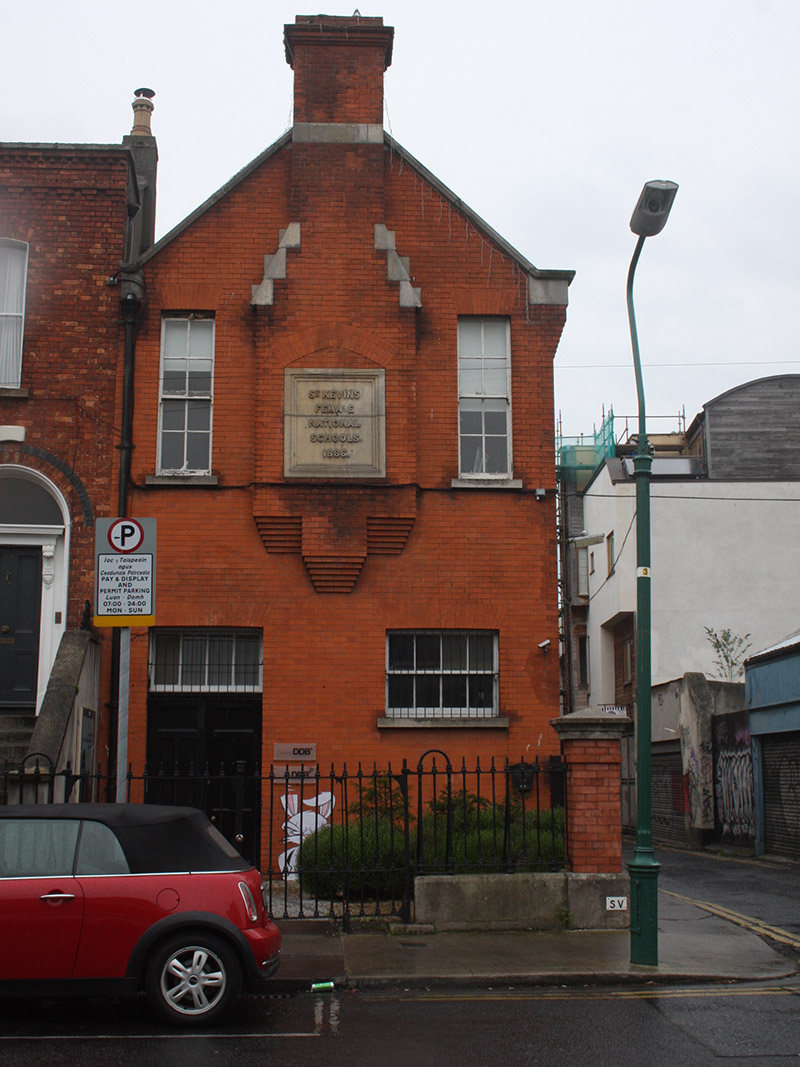 St. Kevin's Female Schoolschool · 109 yd
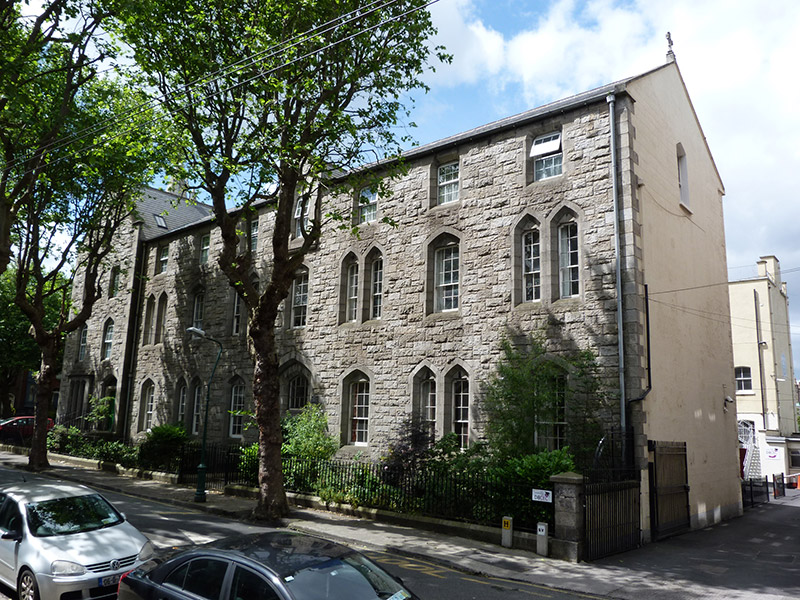 The Lantern Centreschool · 137 yd
 International Tailors, Pressers and Machinists UnionMemorial · 196 yd
 Irish Jewish MuseumMuseum · 436 yd
 Liberty BellMonument · 733 yd
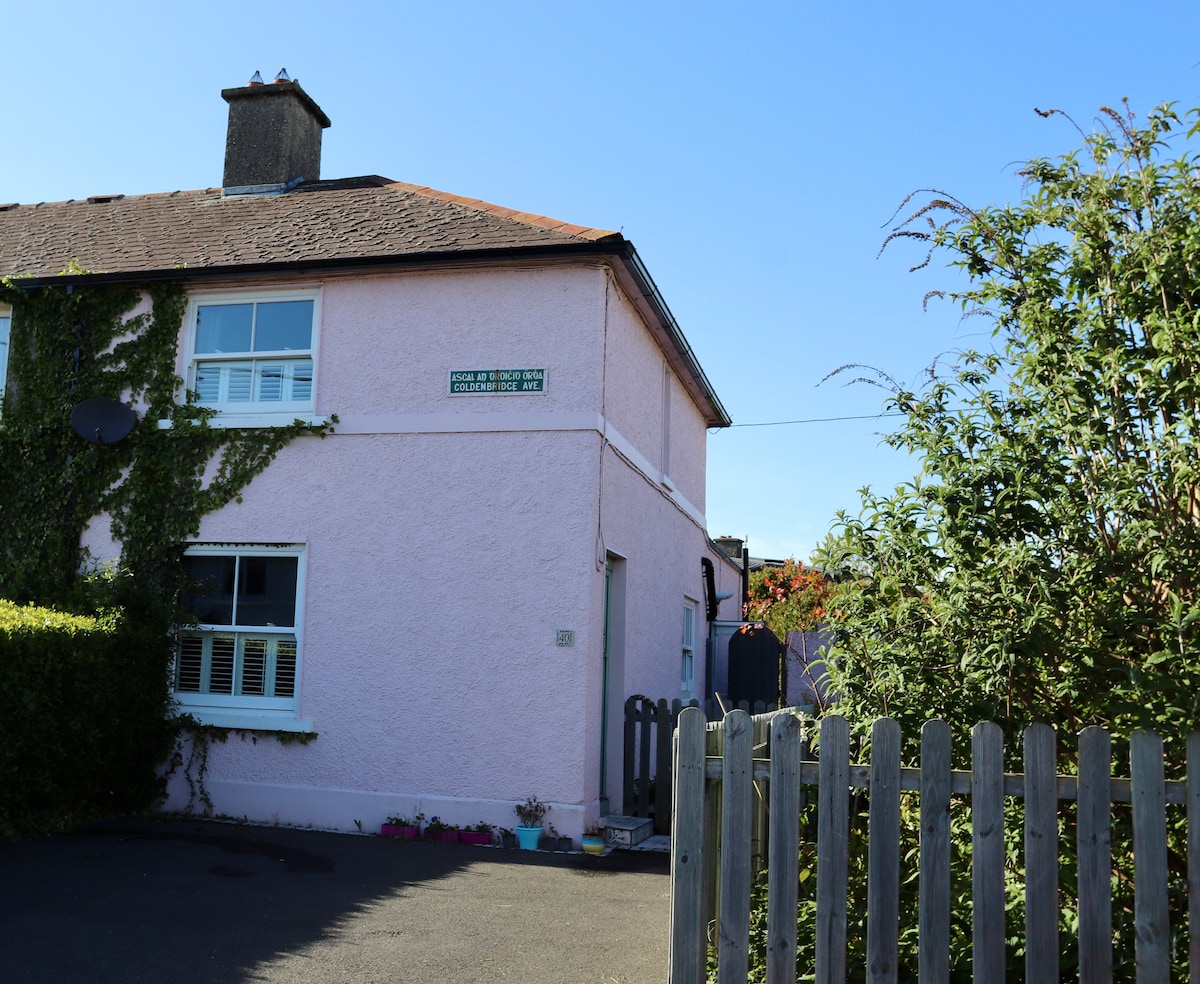 Habitation site in Unknown TownlandHabitation site · 740 yd
 Litterary paradeMemorial · 750 yd
 Battle of RathminesMajor battlefield · 1406 yd
 Bigleaf MapleBigleaf Maple · 1455 yd
 Oriental planeOriental plane · 1547 yd
 Burning of the Custom Housearmed conflict · 1.2 mi
Other information
Photo: National Inventory of Architectural Heritage · Website use allowed for educational or private purposes with source credit