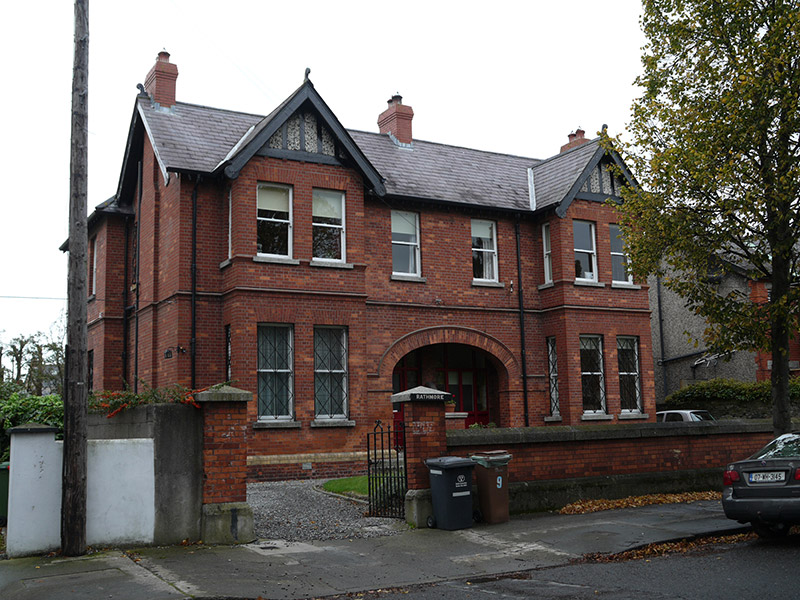
What is recorded here
Former semi-detached pair of three-bay two-storey houses, built c. 1915, having gabled full-height box-bay window and central shared recessed entrance to front (east) elevation, with two-storey returns to rear. Now in use as single house. Pitched natural slate roof with red brick chimneystacks having cornices and…
Read the whole record
From the Buildings of Ireland (National Inventory of Architectural Heritage) record 50030050
Places near here
Photo credits
- National Inventory of Architectural Heritage
- Architecture of Dublin, Wikimedia Commons · Public domain
- Hugh Frazer, Wikimedia Commons · Public domain
- Maker not stated on source page, anakena.de
- Maker not stated on source page, www.irishmirror.ie
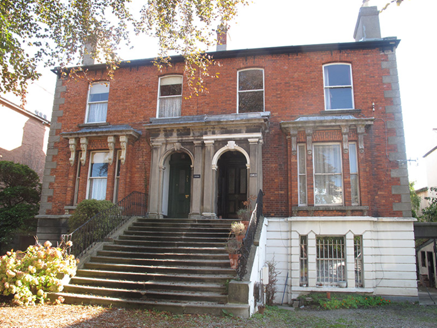 St Andrew's/Saint ElmoHouse · 58 yd
Explorer Tom House in Clontarf East is a semi-detached pair from 1885 with a shared portico that looks super grand. It’s got box-bay…
 Brian Boróimhe's WellWell · 67 yd
Explorer Tom Brian Boróimhe's Well in Clontarf East, County Dublin has a plaque from 1850 with a shamrock. It’s over an old drinking…
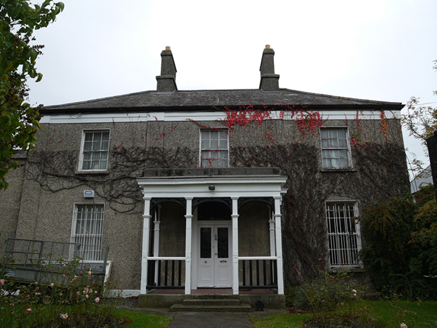 MoyvilleHouse · 114 yd
Explorer Tom Moyville in Clontarf East was built c.1820 on Castle Avenue, one of the earliest streets there. It has a pedimented…
 Vernon LodgeDemesne walls/gates/railings · 234 yd
Explorer Tom Vernon Lodge in Clontarf East brags about surviving a massive storm in 1927 where it claims to have eaten a whole oak…
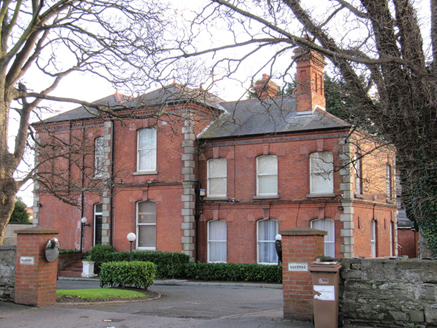 LucerneHouse · 244 yd
Explorer Tom Lucerne in Clontarf East is a Victorian show-off from 1896, rated at just £57 back then. George Smith and William Smith…
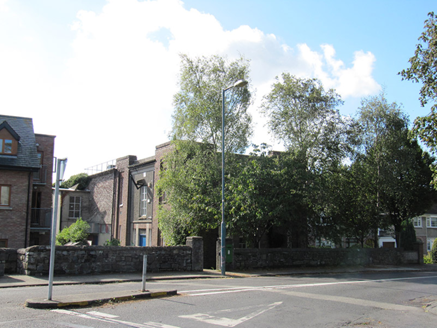 Clontarf Telephone ExchangeTelephone exchange · 296 yd
Explorer Tom Clontarf Telephone Exchange in Clontarf East had an escape plan involving a helicopter and a lot of tangled wires when…
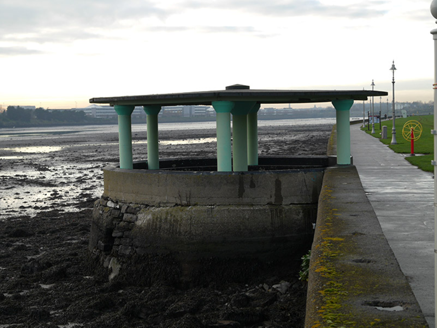 bandstand312 yd
Explorer Tom Bandstand in Clontarf East is built on the base of a lead mine shaft, which is basically a tombstone for old miners. It…
 post box316 yd
Explorer Tom A post box in Clontarf East with Edward VII’s face on it? That king never even saw Ireland! But hey, it’s still…
 Clontarf CastleCountry house · 409 yd
Explorer Tom Clontarf Castle has been demolished and rebuilt so many times that the weather has a long-standing grudge against it…
 Battle of ClontarfMajor battlefield · 946 yd
Explorer Tom Battle of Clontarf in County Dublin is where Brian Boru and the Vikings had their big noisy argument over a thousand…
 Easter Island MaoiStatue · 1104 yd
Explorer Tom Easter Island Maoi in County Dublin can hear everything through the walls, including that neighbor’s terrible karaoke…
 Killester CemeteryCemetery · 1600 yd
Explorer Tom Killester Cemetery is right by the river, so the water might be trying to wash away the memories. I’d listen closely to…
More historic places in County Dublin · All of County Dublin

What do you know about this place?Tap to add a comment or ask a question