Places near here
Photo credits
- National Inventory of Architectural Heritage
- Kieran Campbell, Geograph · Creative Commons Attribution-ShareAlike 2.0
- EecherplazGinkgo06.jpg : Cayambe derivative work: Ginkgotree ( talk ), Wikimedia Commons · CC BY-SA 3.0
- Bridget Neville, Wikimedia Commons · CC BY-SA 4.0
- Mike Searle, Wikimedia Commons · CC BY-SA 2.0
- Eric Jones, Wikimedia Commons · CC BY-SA 2.0
- Brian Shaw, Wikimedia Commons · CC BY-SA 2.0
- Sitomon, Wikimedia Commons · CC BY-SA 2.0
- Andreas F. Borchert, Wikimedia Commons · CC BY-SA 4.0
- Robin Pollard, Wikimedia Commons · CC BY 3.0
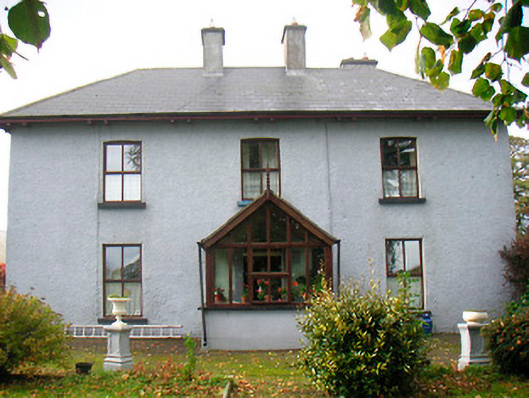
 Ardglass HouseHouse · 1.2 mi
Explorer Tom Ardglass House in Cooksborough looks like it was designed by a mother-in-law who wanted to make sure you couldn't find the light switch, with all those slate details. It’s basically a very serious house that just wants everyone to know its outbuildings are tidy too. Sketch the gate piers!
 bridge1.3 mi
Explorer Tom The Bridge in Castledown has a family tree made entirely of lies and Grand Jury money from the 18th century. Its ancestors were probably all really good at crossing things without falling into the river, I suppose. Just watch your step near the water.
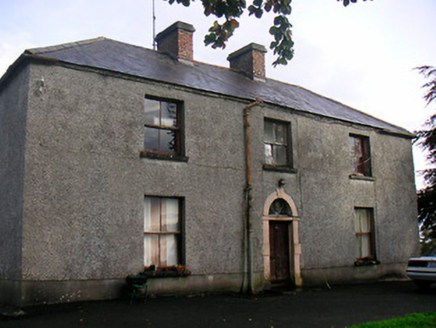 Newgrove HouseFarm house · 1.4 mi
Explorer Tom Newgrove House in Loughagar More is derelict but still acting like it's hosting a very exclusive garden party that everyone forgot to attend. When nobody's looking, I bet it just rearranges its own furniture and judges your life choices from the window. Keep your distance unless you enjoy broken glass!
 Fairy fort / earthen ringfort in ReynellaFairy fort / earthen ringfort · 3.4 mi
Explorer Tom Fairy fort / earthen ringfort in Reynella thinks the local sheep are just overgrown dogs that haven’t learned to bark yet. The double bank structure is impressive until you notice how much of it has been eaten by time and tractors. Linger, it's not going anywhere and neither should you.
 Ginkgo3.8 mi
Explorer Tom Ginkgo in County Westmeath has a favourite song that is just the wind rustling through its fan-shaped leaves in a very rhythmic way. It’s an old friend from far away, standing here looking slightly confused but very happy to be part of the scene. Have a nosey, politely.
 Saint Brigid's WellSpring · 4.5 mi
Explorer Tom Saint Brigid's Well has an escape plan involving a cart of hay and a very fast horse named Brenda. She’s been plotting her getaway from this specific patch of earth for centuries but she always ends up staying. Pretend you're a lost aristocrat, nobody will check.
 Martinstown Castle in RuinsCastle, tower house · 7.2 mi
Explorer Tom Martinstown Castle in Ruins is playing hard to get on that rock outcrop. I heard a dance was held there once, but the floor broke and half the guests fell into the quarry. Bring a coin for luck and keep it in your pocket.
 Delvin CastleVisitor attraction · 7.6 mi
Explorer Tom Delvin Castle has been locked in a bitter, centuries-long feud with the rain, and honestly, the castle is winning. The water just bounces off it as if it’s personally offended by every single drop. Bring a flask of something warm and a story to swap.
 CastleCastle, tower house · 7.6 mi
Explorer Tom Castletowndelvin Castle is a tower house that thinks it’s a hall-house, which is a bit like wearing a tuxedo to the beach. It’s got corner towers that look smug enough to charge rent. Stand where the owner stood and practise looking smug.
 European Yew11 mi
Explorer Tom European Yew in County Westmeath has a family tree that is mostly made up, which fits perfectly with how I tell my stories around campfires. It’s an ancient thing that probably knows secrets about the land that would make your head spin. Go on, count the windows and get it wrong like I did.
 Font (present location) in TowlaghtFont (present location) · 11 mi
Explorer Tom Font in Towlaght was moved from an old church to St Finian's in 1991. It’s carved with biblical scenes and looks like it has seen better days. It's free, it's odd, what more do you want?
 Croppies' GraveMemorial · 12 mi
Explorer Tom Croppies' Grave marks where rebels fell, and someone wrote a terrible poem about it that rhymed 'blood' with 'mud'. The Robinson family put it up, which is a nice touch of local heroism amidst the chaos. Go now, before it gets famous and starts charging entry fees.
More historic places in County Westmeath · All of County Westmeath

What do you know about this place?Tap to add a comment or ask a question