Places near here
Photo credits
- National Inventory of Architectural Heritage
- Charles T. G. Clarke, Wikimedia Commons · CC BY-SA 4.0
- Granard Motte.png : Smcq Derivative work: Hogweard, Wikimedia Commons · CC BY-SA 3.0
- 2ManyCats4Me, Wikimedia Commons · CC0
- Gillaween, Wikimedia Commons · CC BY-SA 4.0
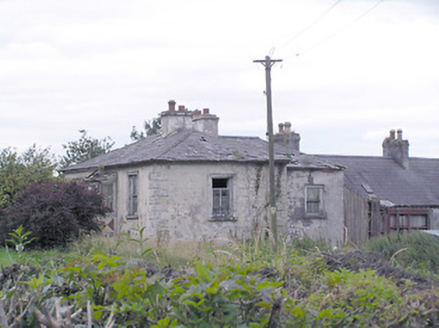 Ballaghgowla HouseHouse · 595 yd
Explorer Tom Ballaghgowla House in Ballaghgowla is playing tricky with its terrain, looking like one storey up front but hiding two stories behind. A fox took charge of the roof once, and I swear the house never trusted any animal since then. Check out that glazed timber porch from a safe distance; it’s got secrets.
LisnagreeFairy fort / earthen ringfort · 1235 ydExplorer Tom Lisnagree is planning its retirement by just fading away into the pasture. It used to be a raised oval area, but now it’s just a low rise. Toast it with a cup of tea and move on to the next.
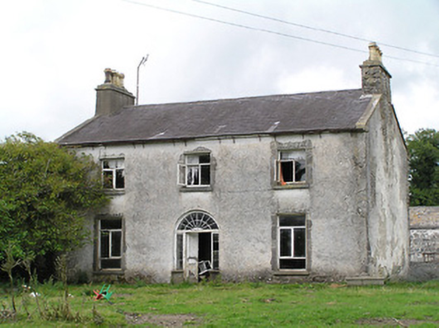 Castle NugentHouse · 1335 yd
Explorer Tom Castle Nugent has a curse that only affects people who don’t wave when they pass by. It’s sitting empty, judging everyone through its spoked fanlight like it’s waiting for an apology. Wave big and loud to break the spell, mate.
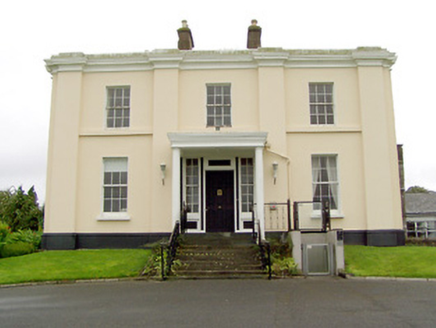 Coolamber ManorCountry house · 1522 yd
Explorer Tom Coolamber Manor in Cloonshannagh Demesne is convinced the postman stole its dignity along with the letters, so it hides its Giant order pilasters away. The classical look is sharp as a knife. Make up your own legend about it.
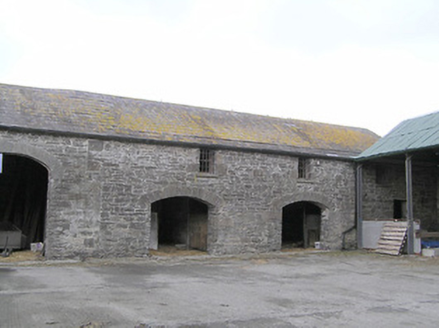 Moneyhoolaghan HouseFarmyard complex · 1669 yd
Explorer Tom Moneyhoolaghan House farmyard started from a bet two lads made in the pub that one could build it cheaper. It’s now a complex masterpiece of brick and stone. Ideal spot to watch the cows judge you.
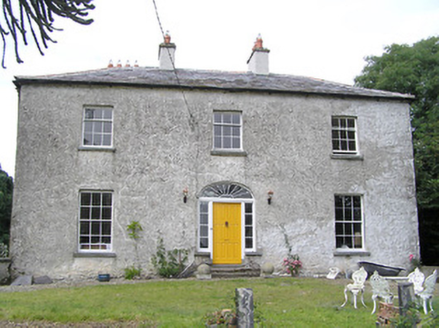 Moorhill HouseHouse · 1.1 mi
Explorer Tom Moorhill House keeps getting picked on by the wind because it looks too fancy for its own good. It stands there with its symmetrical face, judging every passing cloud like they’re late for work. Bring a friend who talks about weather all day.
 Coolamber CastleHouse, fortified house · 1.7 mi
Explorer Tom Coolamber Castle House is where Saint Patrick would have said, ‘You’ve got a bit of an ego for a pile of rocks.’ Cromwell besieged it, so it’s definitely seen some things. Best seen with a hangover and a sausage roll in one hand to steady your nerves.
 Moat of GranardCastle, motte and bailey · 3.3 mi
Explorer Tom The local sheep at Granard Moat rate it a solid four stars for grass quality. Richard de Tuit built it in 1199 to fight rebels, but now it’s mostly a nap zone. Stand back, squint, and it looks like a castle.
 Granard MotteMotte-and-bailey castle remains · 3.3 mi
Explorer Tom Granard Motte would describe the 1800s to a teenager as 'basically a long queue for nothing'. It's just a big mound pretending it remembers something important from the castle days. Spot the oldest stone and give it a name.
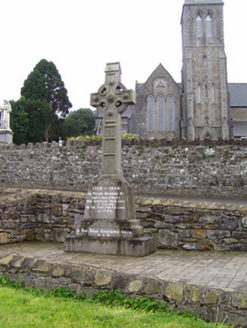 1798 MonumentMonument · 3.3 mi
Explorer Tom The 1798 Monument in Granard uses a Celtic high cross style to tell you about a battle that happened two hundred years ago. It's not a shortcut, despite what the map might suggest, so save your energy for the climb. Look up at the carvings and feel history-heavy.
 Sheela-na-gig in AbbeylaraSheela-na-gig · 3.4 mi
Explorer Tom Sheela-na-gig in Abbeylara has been staring into the void for centuries, and I swear she’s judging your outfit while hiding up there on the tower wall like she owns the place. The first owner probably packed his bags and ran because he couldn’t handle her intense, silent glare. A proper spot for a flask of tea and a big think.
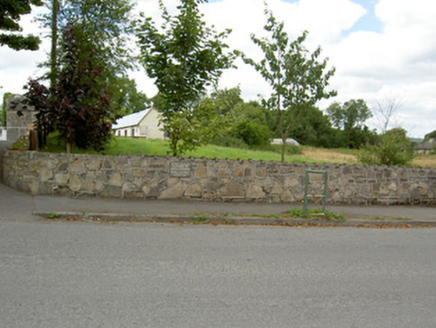 Bully's AcreGraveyard/cemetery, unknown · 7.2 mi
Explorer Tom Bully's Acre in Ballinalee is a graveyard where rabbits think they own the place, but really it holds the rebels from 1798. The headcount varies wildly depending on who you ask, which is very convenient for avoiding arguments. Look out for the recumbent table-like monument and tip your hat.
More historic places in County Longford · All of County Longford

What do you know about this place?Tap to add a comment or ask a question