DDiscover AloneMapAbout

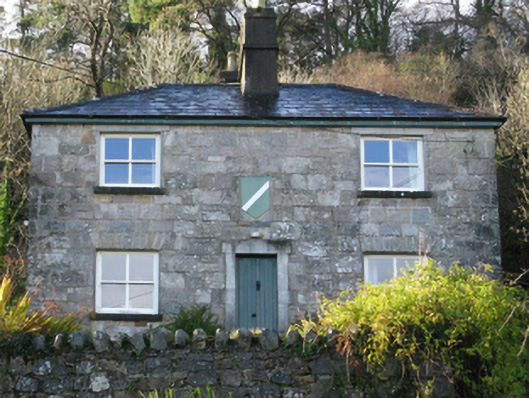
Pontoon Constabulary Barrack

Garda station/constabulary barracks
Pontoon Constabulary Barrack
Photo: National Inventory of Architectural Heritage · Report the wrong picture

This does not grant access. Most recorded buildings are privately owned; view them only from public ground unless the owner allows entry.

Recorded change of use
Originally garda station/constabulary barracks; recorded by the architectural inventory as house
What do you know about this place?Tap to add a comment or ask a question

What you write will be public.

What is recorded here

Detached three-bay two-storey police station, extant 1838, on a symmetrical plan. Occupied, 1901. Vacant, 1908. Occupied, 1911. Renovated, 2001, to accommodate continued occasional use. Hipped slate roof with clay ridge tiles, rendered central chimney stacks including rendered buttressed "wallhead" chimney stack…

Read the whole record
Detached three-bay two-storey police station, extant 1838, on a symmetrical plan. Occupied, 1901. Vacant, 1908. Occupied, 1911. Renovated, 2001, to accommodate continued occasional use. Hipped slate roof with clay ridge tiles, rendered central chimney stacks including rendered buttressed "wallhead" chimney stack (west) having stringcourses below stepped capping supporting yellow terracotta tapered pots, and cast-iron rainwater goods on timber eaves boards on cut-limestone eaves retaining cast-iron downpipes. Part repointed coursed or snecked rubble limestone walls with cut-limestone flush quoins to corners. Square-headed central door opening below tooled cut-limestone shield panel with drag edged tooled cut-limestone block-and-start surround framing timber boarded double doors. Square-headed window openings originally in tripartite arrangement with drag edged tooled cut-limestone sills, and tooled cut-limestone voussoirs framing replacement two-over-two timber sash windows replacing two-over-two timber sash windows having horizontal glazing bars. Set in landscaped grounds on an elevated site with boundary wall to perimeter having rubble limestone coping.
A police station representing an important component of the early nineteenth-century built heritage of Pontoon with the architectural value of the composition confirmed by such attributes as the compact rectilinear plan form centred on a "sparrow pecked" doorcase demonstrating good quality workmanship in a silver-grey limestone; and the somewhat disproportionate bias of solid to void in the massing compounded by the very slight diminishing in scale of the openings on each floor producing a feint graduated visual impression with those openings originally showing elegant tripartite glazing patterns. Having been well maintained, the form and massing survive intact together with substantial quantities of the original fabric, thus upholding the character or integrity of a police station forming part of a self-contained group alongside an adjacent hotel (see 31306002) with the resulting ensemble making a pleasing visual statement on a wooded hillside overlooking Lough Cullin. NOTE: Occupied (1901) by Sergeant Joseph Dusting (1858-1915) who later retired to Quay House in Newport (see 31208003; NA 1901; Calendars of Wills and Administrations 1915, 198); and (1911) by Michael Roche (----) who was gamekeeper for Lord Lucan and later for Lord Clanmorris (NA 1911).

From the Buildings of Ireland (National Inventory of Architectural Heritage) record 31306003

Places near here

Photo credits
  • National Inventory of Architectural Heritage
  • Maker not stated on source page, ru.pinterest.com
  • Maker not stated on source page, ar.pinterest.com
  • Maker not stated on source page, www.dreamstime.com
  • Maker not stated on source page, www.mirror.co.uk
  • Kay Atherton, Geograph · CC BY-SA 2.0
  • Knockmore GAA Club via Smart Lotto; individual photographer not stated, smartlotto.ie
  • Annette Clarke / Moy Davitts GAA, as credited by Western People, www.westernpeople.ie
  • Maker not stated on source page, www.dailymail.co.uk
  • Maker not stated on source page, www.alamy.com
  • Maker not stated on source page, commons.wikimedia.org
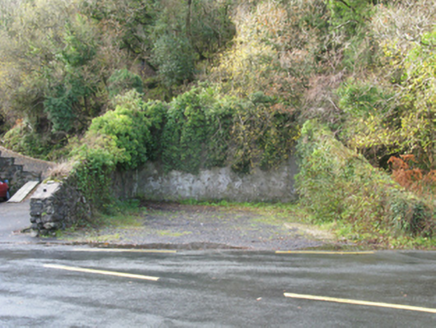
handball alley38 yd

Explorer Tom Knockaglana’s handball alley is dilapidated enough to make me feel guilty for not playing harder back when I was young…
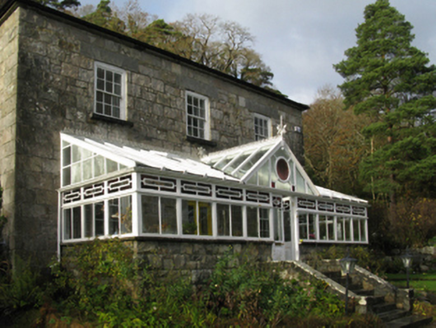
The LodgeHotel · 52 yd

Explorer Tom The Lodge was built by an Earl who thought he could outdo nature with a nice view of Lough Cullin. A poet fell in the…

IllangubIslet · 1575 yd

Explorer Tom Illangub claims its favourite song is the one that sounds like waves hitting rocks, which is basically just white noise…

FreaghillanIslet · 1705 yd

Explorer Tom Freaghillan is secretly proud of a single potato that grew on its rocks once, treating it like a national treasure ever…

Castle (in Ruins)Castle, unclassified · 1.5 mi

Explorer Tom Terrybaun Castle would order the biggest chips and extra mush in any chippy in Mayo. It’s unclassified because nobody…

Griffins IslandCrannog · 2.0 mi

Explorer Tom Griffins Island in Lough Cullin caused such a massive argument in the parish that they still don’t speak to each other.…

Lough CullinViewpoint · 2.0 mi

Explorer Tom Lough Cullin again? Apparently there are two of them, which is either impressive or lazy. I reckon the treasure is just…
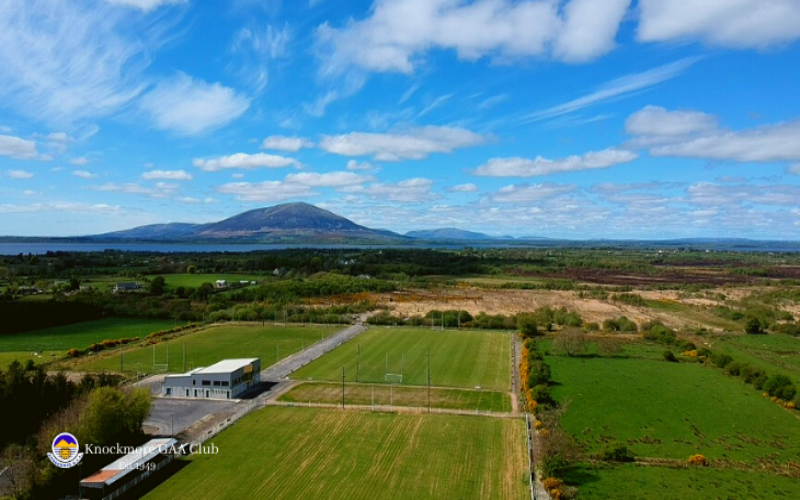
Knockmore, Knockmore GAAGAA ground · 3.7 miSrath Garbh, Bohola-Moy Davitts, FoxfordGAA ground · 4.1 miBofeenaun GraveyardCemetery · 4.6 mi

Explorer Tom Bofeenaun Graveyard is stuck in a bitter feud with a nearby hill about who has the best sunset views. It’s been going…
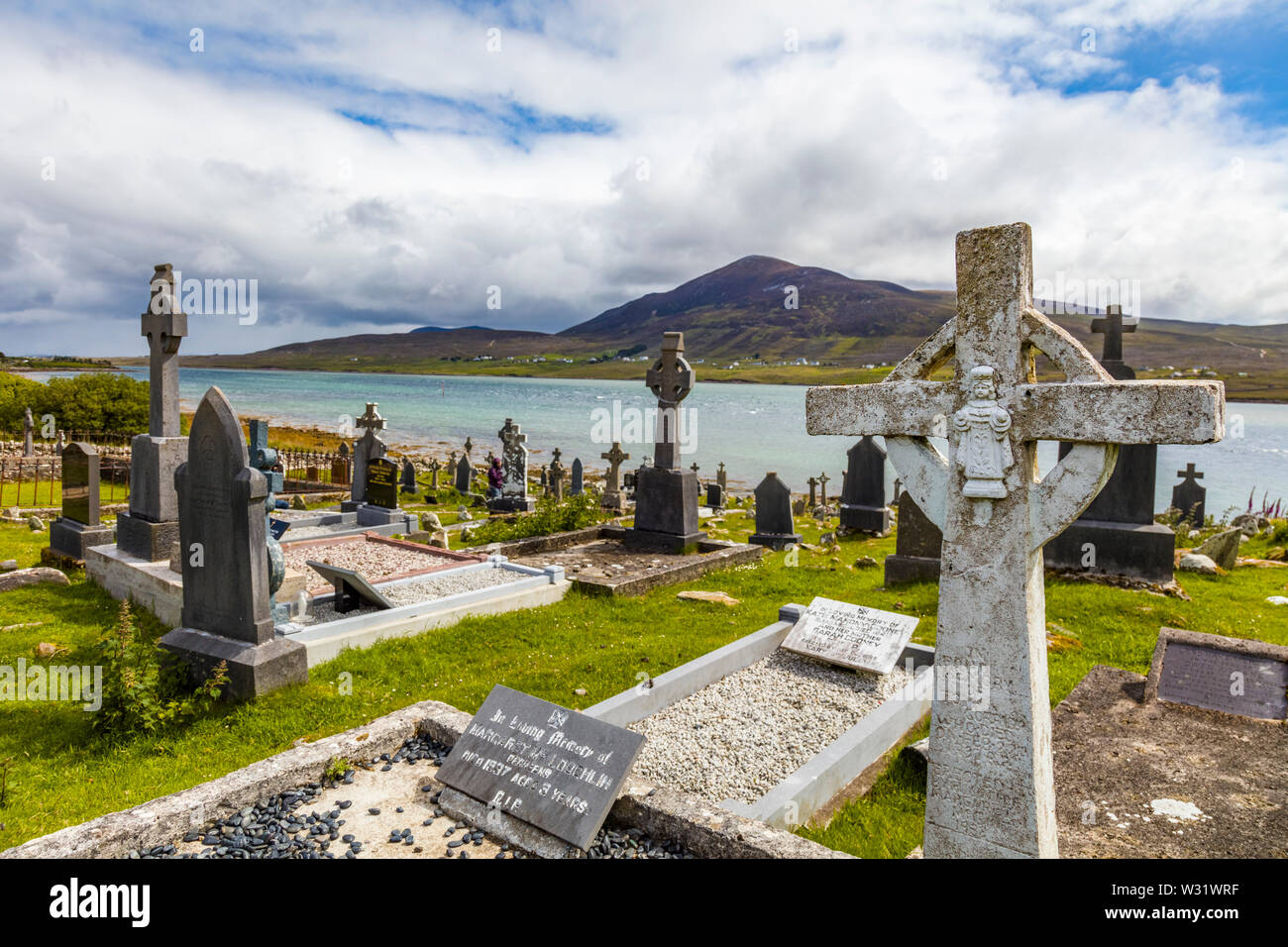
Addergoole CemeteryCemetery · 5.3 mi

Explorer Tom Addergoole Cemetery in County Mayo refuses to fall down because it has excellent structural integrity and a stubborn…

TombTomb, unclassified · 5.4 mi

Explorer Tom Tomb in Derrylahan inspired a bad poem about mud and regret, which is still sung at weddings. No record exists, so I’m…

More historic places in County Mayo · All of County Mayo

Add to this placeAdd a picture Add a detailed tip Add a story

Explore the map1,095,414 places to discover

Next place · or swipehandball alley