
What is recorded here
Attached five-bay three-storey railway station, built 1884, altered and refaced 1891, with two glazed barrel-vaulted sheds over railway lines entering to first floor. Barrel roof with balustrade parapet. Giant red brick Flemish bond pilasters having limestone dressing to end bays, flanking iron walls with giant…
Read the whole record
From the Buildings of Ireland (National Inventory of Architectural Heritage) record 50930337
Places near here
Photo credits
- Maker not stated on source page, www.pinterest.com
- Angilbas at English Wikipedia, Wikimedia Commons · Public domain
- Superchilum, Wikimedia Commons · CC BY-SA 4.0
- National Inventory of Architectural Heritage
- Agence Rol, Wikimedia Commons · Public domain
- N Chadwick, Geograph · Creative Commons Attribution-ShareAlike 2.0
- Maker not stated on source page, www.dreamstime.com
- NateBergin, Wikimedia Commons · CC BY 4.0
 Church in Unknown TownlandChurch · 245 yd
Explorer Tom St Marks has a doorway possibly from around 1700, which is a nice touch. The graveyard was active until the 1950s, so…
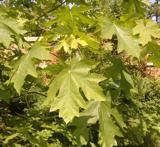 Bigleaf Maple483 yd
Explorer Tom Bigleaf Maple in County Dublin is waiting for a bishop who refused to visit because he thought it looked too much like…
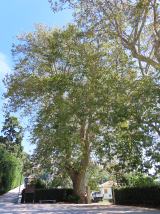 Oriental plane506 yd
Explorer Tom Oriental plane in Dublin would survive a zombie attack by standing perfectly still while they walk past, which is…
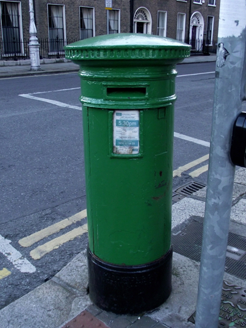 post box635 yd
Explorer Tom Post box on Fitzwilliam Street Lower is a cast-iron pillar box from about 1885 with a shallow domed cap and letter…
 Burning of the Custom HouseArmed conflict · 717 yd
Explorer Tom The Burning of the Custom House holds a fake world record for the most dramatic way to lose your paperwork. It still…
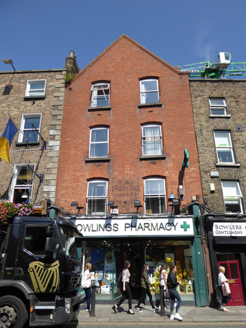 shop/retail outlet720 yd
Explorer Tom Shop on Baggot Street Lower would tell the place that replaced it, 'You’re just a photocopy of my original charm…
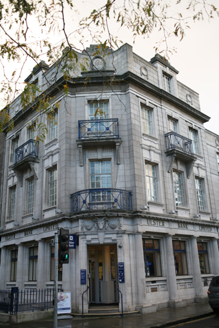 Ulster BankBank/financial institution · 748 yd
Explorer Tom Ulster Bank on Baggot Street has a hidden message in its stones if you read the classical details correctly, or at…
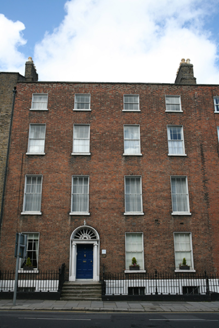 United Arts ClubHouse · 819 yd
Explorer Tom United Arts Club in County Dublin is a four-bay townhouse that used to be a residence. Built c.1800, it’s now a…
 Wolfe Tone MemorialStatue · 826 yd
Explorer Tom Wolfe Tone Memorial in County Dublin is having a serious feud with the rain because his bronze stance looks like he’s…
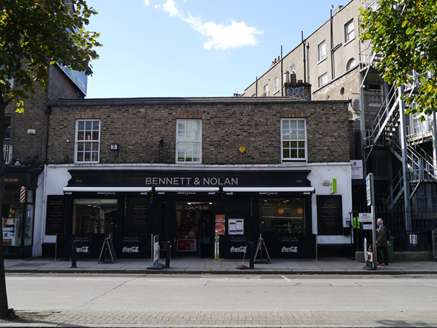 stables838 yd
Explorer Tom Stables on Baggot Street Lower in County Dublin are sitting right on the street, which is weird for a mews. They’ve got…
 Graveyard in Unknown TownlandGraveyard · 1373 yd
Explorer Tom Graveyard in Dublin was St Thomas's graveyard, used until 1882 before things got messy during the 1916-1922 period. The…
 Cathedral1652 yd
Explorer Tom Cathedral. Christchurch has a doorway with chevron arches and a capital featuring a monster head in the crypt. It is…
More historic places in County Dublin · All of County Dublin

What do you know about this place?Tap to add a comment or ask a question