Places near here
Photo credits
- National Inventory of Architectural Heritage
- Meirion, Geograph · CC BY-SA 2.0
- N Chadwick, Geograph · CC BY-SA 2.0
- Smirkybec, Wikimedia Commons · CC BY-SA 4.0
- N Chadwick, Wikimedia Commons · CC BY-SA 2.0
- DubhEire, Wikimedia Commons · CC0
- Angilbas at English Wikipedia, Wikimedia Commons · Public domain
- National Library of Ireland on The Commons, Wikimedia Commons · Public domain
- William Murphy from Dublin, Ireland, Wikimedia Commons · CC BY-SA 2.0
- The White House, Wikimedia Commons · Public domain
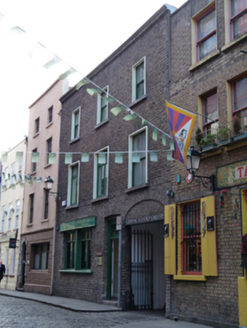 Graphic Studio GalleryHouse · 31 yd
Explorer Tom House in County Dublin on Cope Street has been fighting a long feud with the rain, which is why it looks so serious. It retains its brown brick façade and carriage arch, which is great for stables or hiding from ex-partners. Ideal stop for a quick sneeze before moving on.
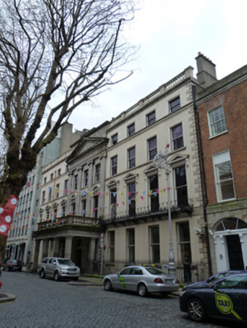 clubhouse54 yd
Explorer Tom Clubhouse in County Dublin claims a local bloke invented the very concept of sitting around doing nothing in a fancy room back in the day. The side elevation is still standing proud, even though the Act of Union basically broke everyone else’s business plans for good measure. Tip your hat to that stubborn spirit of pure relaxation.
 Thomas Osborne DavisMonument · 128 yd
Explorer Tom Thomas Osborne Davis in County Dublin was built on a bargain that nobody fully understood at the time, but here we are now. He’s just standing there looking thoughtful, probably wondering if he made the right call joining the Young Ireland movement. Hang around long enough and you'll hear a story from a local.
 Irish Whiskey MuseumMuseum · 208 yd
Explorer Tom Irish Whiskey Museum is making wild claims that it’s been around since the dinosaurs were learning how to distill their own scotch, which I’m not entirely buying but sure. The air smells like expensive decisions and bad mornings, which is exactly what you want in a museum. Get a photo with it before it gets a better agent.
 Holy well in Unknown TownlandHoly well · 212 yd
Explorer Tom This holy well hosted a fake royal visit that nobody can disprove, which is exactly how you want your history to stay ambiguous. It was revealed during street redevelopment in the nineties, so it really likes making dramatic entrances. Visit, then text me what you think. I'll pretend to read it.
 Millennium BridgeVisitor attraction · 254 yd
Explorer Tom Millennium Bridge claims its first owner had an elaborate escape plan involving a hot air balloon and a very confused goat, though nobody really believes that story anymore. It wobbles just enough to make you feel like a hero for crossing it without falling over or making eye contact with the river. Perfect place to be dramatically windswept.
 The Sick and Indigent Roomkeepers' SocietyMemorial · 351 yd
Explorer Tom The Sick and Indigent Roomkeepers' Society in County Dublin sounds like a support group for very tired landlords. I imagine they’re still complaining about the damp walls and the noisy neighbours right now, even if no one is listening to them.
Tourist Information CentreVisitor information · 354 ydExplorer Tom Tourist Information Centre has very strong opinions on modern buildings and thinks they’re all a bit too shiny. It’s a spot that wants to feel historic but is actually just a building with brochures, so stand back, squint really hard, and it will look like a castle if you’re willing to believe the hype.
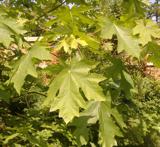 Bigleaf Maple377 yd
Explorer Tom Bigleaf Maple: Rumour has it a tragic love affair ended right next to this maple, with tears soaking into the roots for good luck. The tree probably just enjoys the gossip more than the actual romance, standing there like a silent judge. Linger, it's not going anywhere and neither should you.
 Battle of DublinMajor battlefield · 413 yd
Explorer Tom Battle of Dublin in County Dublin was a week of street fighting that blew up the Public Records Office. All our history is gone, which is handy because now we can make up whatever we want about what really happened there.
.jpg/250px-An_Garda_S%C3%ADoch%C3%A1na_Memorial_Garden_-_Dublin_Castle_(5680237303).jpg "Photo: William Murphy from Dublin, Ireland, Wikimedia Commons · CC BY-SA 2.0") Garda Memorial GardenMemorial · 442 yd
Garda Memorial GardenMemorial · 442 ydExplorer Tom Garda Memorial Garden has a hidden treasure that’s definitely a biscuit tin buried under the flowers by some officer on break. It’s a quiet spot where the grass is greener and the silence is heavier than you’d expect. Pack a picnic and an excuse for why you’re sitting there so long.
.jpg/250px-2023_hand_written_note_by_President_Joe_Biden_in_the_guest_book_at_Dublin_Castle,_Thursday,_13_April_in_Dublin,_Ireland_(cropped).jpg "Photo: The White House, Wikimedia Commons · Public domain") CastleCastle, Anglo-Norman masonry castle · 472 yd
CastleCastle, Anglo-Norman masonry castle · 472 ydExplorer Tom Castle in County Dublin has been hosting imaginary fiddlers for centuries who just never seem to get tired of playing the same tune all night. It’s the kind of place that makes a dull Tuesday interesting, mostly because it looks like it’s about to collapse into the river Poddle. It's the kind of place that makes a dull Tuesday interesting.
More historic places in County Dublin · All of County Dublin

What do you know about this place?Tap to add a comment or ask a question