
What is recorded here
Eustace Street, Dublin. Six metres deep, eighty centimetres wide, stone-lined, and old enough to predate the street itself. Workers digging for Temple Bar in the 1990s broke through to water that had been rising through mud and marl since before the Norseman had a name. They called it St Winifred's, though the stones are younger than the saint's story. The well did not care which name fit it. It gave water, waited in darkness, and let the city build itself above the hole.
18th-century stone-lined well outside The Norseman public house originally thought to be the site of the medieval St. Winifred's Well was revealed on Eustace Street by Dublin Corporation during street redevelopment in the early 1990's as part of the Temple Bar refurbishment project. The remains consisted of a stone-lined well (D 6m x diam. 0.8m) date from c. 1700 when Eustace Street was laid out. This well provided access to fresh groundwater in an area close to the River Poddle and which was tidal at that point. In 1757 Dr. Rutty tested the water from the well of 'St. Winifred, Eustace Street' (Rutty 1757, Table 1 BB).
According to Halpin (1992) St Winifred’s well, a medieval well dedicated to St Winifred, a 7th century Welsh saint, was located in Eustace Street. St Winifred’s cult may have been introduced to Dublin in the 11th to 13th centuries A.D. when Dublin had close links with Chester. St “Winefride’s” well at Holywell near Chester is one of the most famous shrines in Britain. The holy well on Eustace Street may have belonged to the Augustinian Friary of Holy Trinity (DU018-020046-), founded in the 13th century, which was located 50m to the E in what is now Cecilia Street. The precise location of St Winifred's well on Eustace Street has not been identified, it is possible that the two records may relate to the same well, albeit that the structural evidence at this well does not date to the medieval period.
Rutty, J. 1757 The Mineral Waters of Ireland. Dublin.
Compiled by: Geraldine Stout
Updated by: Margaret Keane
Revised by: Caimin O'Brien
Date of revised upload: 19 April 2023
The monument record does not grant public access. Check the route and ask the landowner before entering private land.
- What survives
- Recorded monument
Places near here
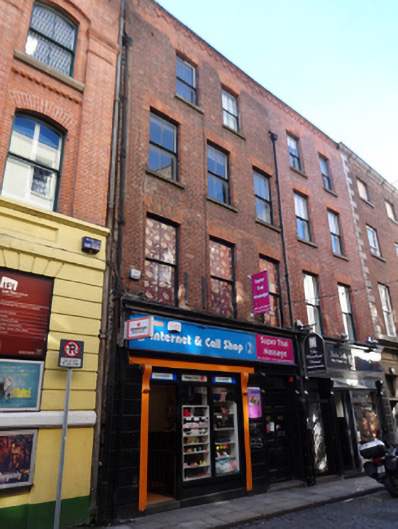 Super Thai Massage / Internet & Call Centrehouse · 69 yd
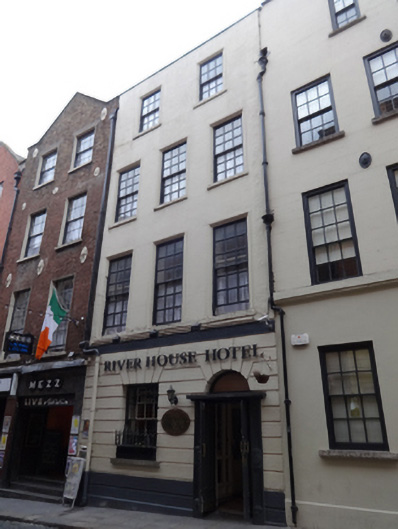 River House Hotelhouse · 70 yd
 Tourist Information CentreVisitor information · 193 yd
 Dublin City HallHeritage attraction · 239 yd
 Newcomen BankVisitor information · 269 yd
 Quay in Unknown TownlandQuay · 272 yd
 Battle of DublinMajor battlefield · 315 yd
 CastleCastle, Anglo-Norman masonry castle · 325 yd
 Dublin Castlegates/railings/walls · 325 yd
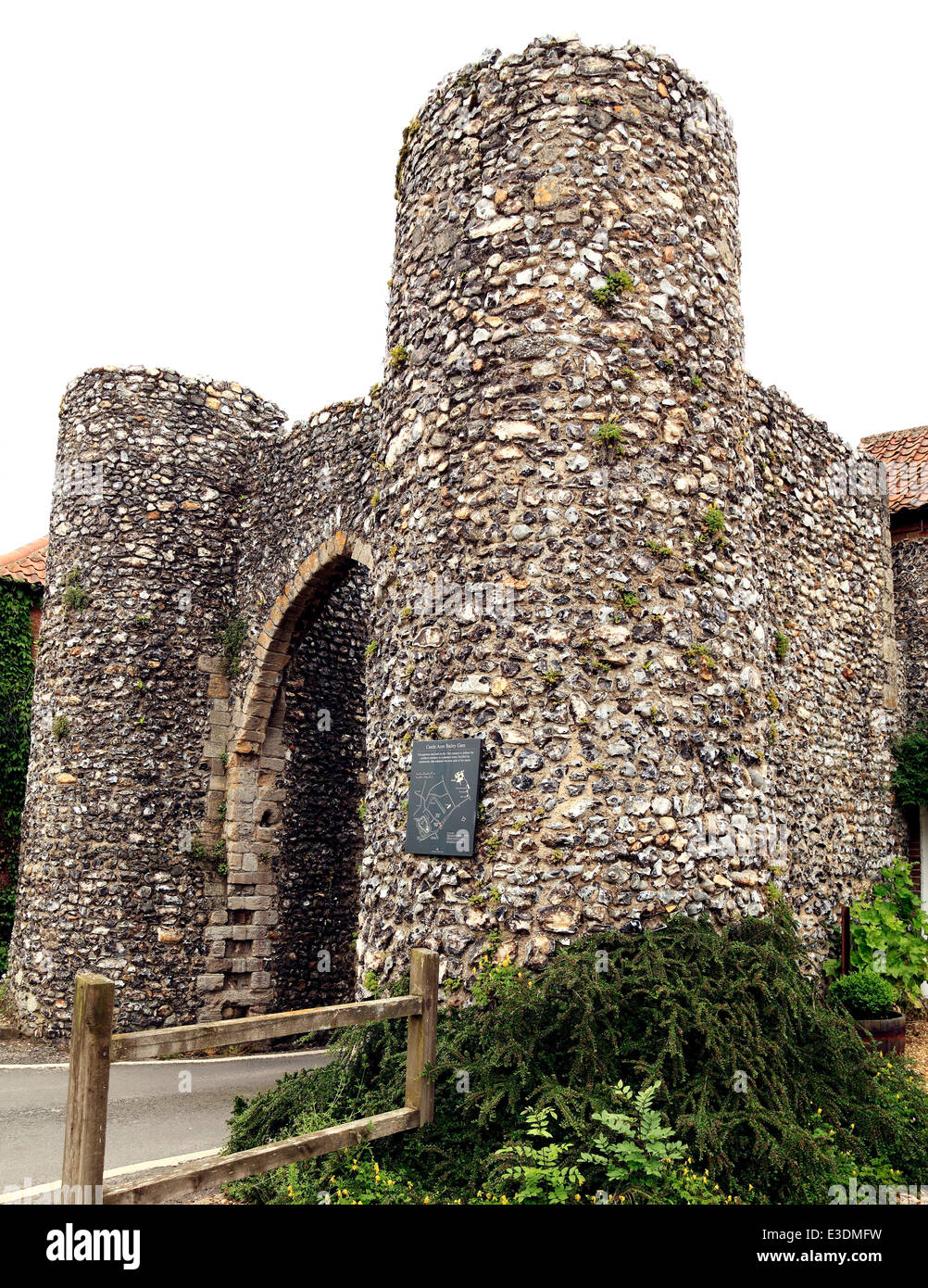 Town defences in Unknown TownlandTown defences · 355 yd
 Special Olympics MemorialMonument · 411 yd
 John FieldMemorial · 457 yd
Other information
Photo: Smirkybec · CC BY-SA 4.0