
Places near here
Photo credits
- John M, Geograph · CC BY-SA 2.0
- Rob Hurson, Wikimedia Commons · CC BY-SA 4.0
- Sitomon, Wikimedia Commons · Public domain
- Tjp finn, Wikimedia Commons · CC BY-SA 4.0
- David Brossard, Wikimedia Commons · CC BY-SA 2.0
- National Inventory of Architectural Heritage
- Kieran Campbell, Geograph · CC BY-SA 2.0
- Martin Richard Phelan, Wikimedia Commons · CC BY-SA 2.0
- John M, Wikimedia Commons · CC BY-SA 2.0
- Mike Searle, Wikimedia Commons · CC BY-SA 2.0
- Willow, Wikimedia Commons · CC BY 2.5
- jai, Wikimedia Commons · CC BY-SA 2.0
 Not indicatedPassage tomb · 322 yd
Explorer Tom Passage tomb in Knowth made a New Year's resolution to stop losing kerbstones, but failed miserably again this year. It’s sitting right next to the big mound, looking slightly embarrassed about its missing bits. Go back in winter, it's a different animal.
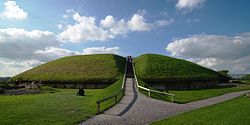 MoatPassage tomb · 384 yd
Explorer Tom Moat in Knowth suspects the postman is up to no good and keeps an eye on every delivery. It’s the focal point of the whole cemetery, acting like a proud grandpa at a family reunion. It's free, it's odd, what more do you want?
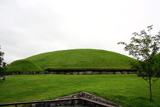 KnowthArchaeological place · 384 yd
Explorer Tom You see one mound? Give Knowth another minute to complicate your day. Knowth looks like one enormous grassy mound in the Boyne Valley until its stonework starts giving away the plot. The main monument, built around 3200 BC, holds two separate passages, one entering from the east and one from the west. Around its base stood 127 kerbstones, and excavators found more than 200 carved stones, including art hidden on faces that visitors would not normally have seen. If I could read every carved line, I would still let the builders keep a few secrets. That is quite a private gallery for a place already making a public impression. Centuries later people built a royal residence on top, using the old mound for a new kind of authority. Knowth is part of the Brú na Bóinne heritage complex, and visits are managed through the visitor arrangements there; check current booking and access before going. Study the carved spirals, but leave the ancient builders at least one secret they can keep.
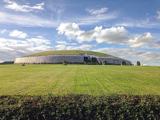 NewgrangeHeritage attraction · 1553 yd
Explorer Tom You reckon you are punctual? Try keeping an appointment for five thousand years. Newgrange is older than Stonehenge, but it still knows how to make an entrance. At the winter solstice, sunrise reaches through a small roofbox above the doorway and lights the chamber at the end of a passage about 19 metres long. Imagine hauling roughly 200,000 tonnes of earth and stone into a mound, then arranging for the sun to make a punctual visit. That little roofbox has better timekeeping than me, and it has never owned a watch. The entrance stone weighs about five tonnes and carries carved spirals; elsewhere, some carvings were placed on faces that would be hidden under the finished structure. That is an extraordinary amount of work for an audience of almost nobody. Twelve standing stones remain from a possible circle of thirty-eight, and the bright quartz front you see today includes a twentieth century reconstruction that archaeologists still debate. The mound is a monument, not an open shortcut into a chamber, so follow the site's visitor arrangements for entry. I will be outside, trying to arrive on time for something for once.
 Oengus Óg: NewgrangeLegend location · 1553 yd
Explorer Tom Oengus Óg: Newgrange gives this ancient monument a love story with a very odd ending: he finds Caer as a swan, becomes one himself and flies home with her. I was ready for a romantic walk; Oengus went straight for wings. Fair play to him.
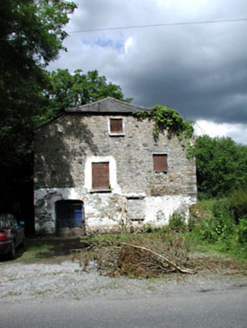 Mill HouseMill (water) · 1.2 mi
Explorer Tom Mill House in Rossnaree remembers when a fox took charge of the flour sacks during a power cut. The wheel is still there, looking tired after centuries of grinding. Walk past slowly like you’re inspecting for termites.
 Church (in Ruins)Church · 1.2 mi
Explorer Tom Church in Monknewtown is hiding a scandal involving a chaplain named Thomas Alen who probably didn’t clean his boots properly back in 1540, but nobody wants to check the receipts. It was a grange of Mellifont, so it’s got that monastic energy of keeping secrets while trying to look like you’re just standing there doing nothing. Ideal place to rehearse an excuse for being late.
 Dowth CastleCastle, tower house · 1.8 mi
Explorer Tom Dowth Castle in Dowth has been sitting on that ridge since 1234, looking smug about it. Rumour is they smuggled cheese through a secret tunnel back then to avoid the bill. Stop the car, it’s worth the hazard lights.
 Brú na Bóinne Visitors CentreVisitor information · 1.8 mi
Explorer Tom Brú na Bóinne Visitors Centre in County Meath has very strong opinions on modern buildings, mostly that they’re too bright and not ancient enough. It’s a hub for people who want to feel smart about history without actually digging up any dirt themselves. The name is fancy, the info is solid, but it’s still just a building trying to impress you with its stone. Go now, before it gets famous
 Fennor CastleCastle · 2.0 mi
Explorer Tom Fennor Castle would tell its younger self to stop worrying about the roof and start enjoying the view, but it’s too busy being dramatic now. It’s like that friend who still talks about their college years as if they just happened yesterday. It’s charmingly out of touch with the concept of time. If it's closed, admire it from the road like a polite stalker.
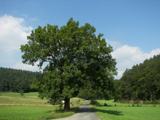 European ash2.8 mi
Explorer Tom European ash in County Louth was once a matchmaker who worked under its branches, pairing off locals with questionable taste. Bring wellies and low expectations, leave delighted by the absolute chaos of romance it orchestrated here.
 Battlefield in Sheephouse,ardagh,glebe (slane Upper By.),oldbridge,rathmullanBattlefield · 3.3 mi
Explorer Tom Battlefield near Sheephouse has developed a deep suspicion of the postman, likely due to all the letters never delivered. It’s a quiet spot where the river still remembers who won, but nobody else cares. Have a wander and a wonder.
More archaeology and monuments in County Meath · All of County Meath

What do you know about this place?Tap to add a comment or ask a question