What is recorded here
Killickaweeny held a medieval ore-roasting pit where fire raged through a narrow shaft, preparing metal for smelting elsewhere. The nearby pits washed the heated rock, while wooden structures framed the busy yard. Men may have crushed and cleaned the ore before carrying it west, leaving behind charcoal rather than finished tools.
In 2002, an archaeological excavation (Licence no. 02E1535) was carried out on an area measuring 15-20 m2 at 'Site 23' in Killickaweeny in advance of a proposed road development. Previous geophysical testing in conjunction with a programme of linear testing (Licence no. 02E0999) highlighted three areas of archaeological potential. Excavation uncovered medieval occupation and/or industrial activity at the site. This included a square pit (furnace) with an opening to the north leading to a partly underground shaft. Heavy burning was indicated in the pit and shaft, suggesting use as a firing or roasting pit, with the shaft acting as a wide air intake or stoke-hole. A long linear ditch north of this feature would have been related to it. A dense charcoal deposit found along the base of the linear ditch, square pit and shaft indicated numerous burning episodes. Several large pits were also found, one of which truncated other features, suggesting continued use of the site after the main industrial installation fell into disuse. Activity in the west of the site involving several post-holes and in situ burning may suggest the presence of a structure here. Linear features from this area may have carried water into the large pits in the main area of activity. A further structure is suggested in the south of the site by a linear feature with post-holes on either side. It is unclear precisely which industrial activities were carried out at the site. The high temperatures generated in the (furnace) installation are consistent with metalworking, but the lack of slag or melted ore suggests that the square pit was not a smelting furnace. One possibility is that the site was used for the preparation of metallic ore and may have functioned as an ore-roasting and preparation facility in the medieval period. The square pit and shaft may have been the main roasting areas, and the ore may have been washed in the large rounded pits nearby. The structure to the west of the site, with its stone surface, may have been a locus for activity such as crushing and cleaning the ore. No evidence of residential activity or iron smelting was recovered from the site, so it is likely that the prepared ore would have been transported to residential sites for smelting, possibly at Site AE23, c. 700m to the west and also excavated (Licence no. 02E1002) - see KD004-039----, KD004-039001--, KD004-039002-, KD004-039003- and KD004-039004-. (www.excavations.ie)
Compiled by: Gearóid Conroy
Date of upload: 10 June 2011
The monument record does not grant public access. Check the route and ask the landowner before entering private land.
- What survives
- Recorded monument
Places near here
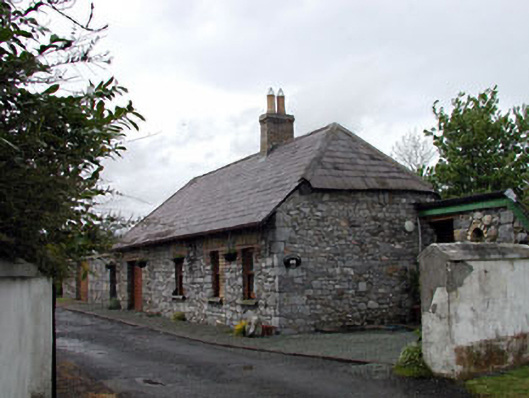 Pitchfordstown Housegate lodge · 1710 yd
 Church (Site of)Church · 1.0 mi
 Enclosure in CappaghEnclosure · 1.0 mi
 McLoghlin Bridgebridge · 1.1 mi
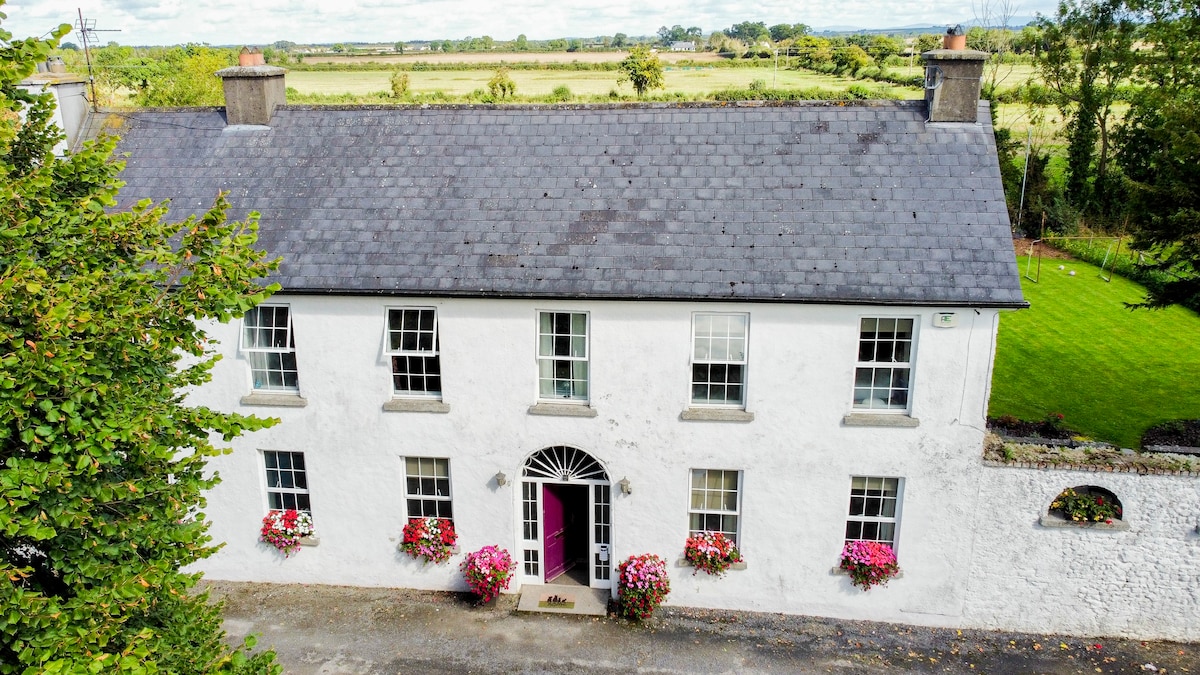 Bawn in PitchfordstownBawn · 1.2 mi
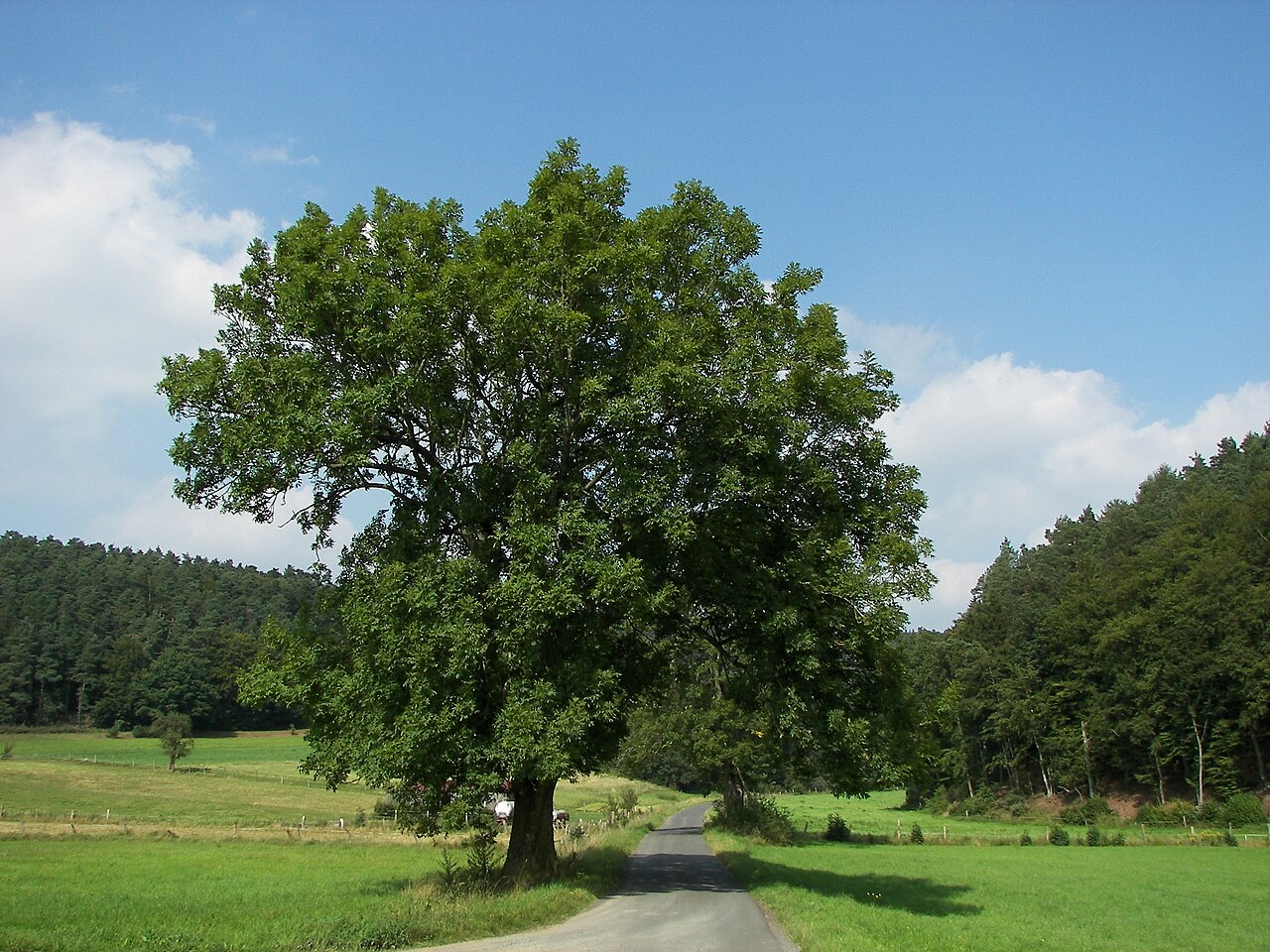 European ashEuropean ash · 1.8 mi
 Kilgar GardensHeritage attraction · 2.0 mi
 Old Bog Road made famous by Teresa Bryton 1868-1943Memorial · 2.1 mi
 Mass was there in Penal TimesMemorial · 2.2 mi
 Cloncurry GraveyardHeritage attraction · 3.1 mi
 Cloncurry MoatCastle, motte · 3.2 mi
 Loughtown CovertWood · 4.5 mi