
What is recorded here
Adam de Hereford received Cloncurry before 1176, placing a tall earthen mound above the valley to mark his claim. A one-room wooden building stood on its flat top, but by 1304 the moat had become so ordinary that no one wanted to rent it. The mound still rises twelve metres beside the church ridge, preserving the moment when a grand castle faded into an empty local landmark.
A tall, steep-sided, flat-topped, earthen mound (H. c. 12m; base diam. 37m; summit diam. 12.5m). The summit is enclosed by a low bank, and the base is girdled by a broad fosse (Wth.6.5m), and an external earthen bank is visible SW-N-NE. The site was the nucleus of the original Manor of Cloncurry, granted to Adam de Hereford before 1176. It was described in an extent of 1304 as, 'a moat on which is situated a one roomed building with a wooden roof, which is not vaulted as no one is interested to rent' (O'Loan 1961, 2). The motte was erected close to the highest point of a ridge and down slope from the church (KD004-021005-). (Bradley et al. 1986 vol. 2, 158-60)
Compiled by: Gearóid Conroy
Date of upload: 10 June 2011
Cloncurry Moat is believed to be a medieval ringwork, likely constructed by a local Gaelic lord or Anglo-Norman settler in the 13th or 14th century. Its strategic location and defensive features highlight its role in regional control and conflict during the medieval period in Ireland.
The monument record does not grant public access. Check the route and ask the landowner before entering private land.
- What survives
- Recorded monument
Places near here
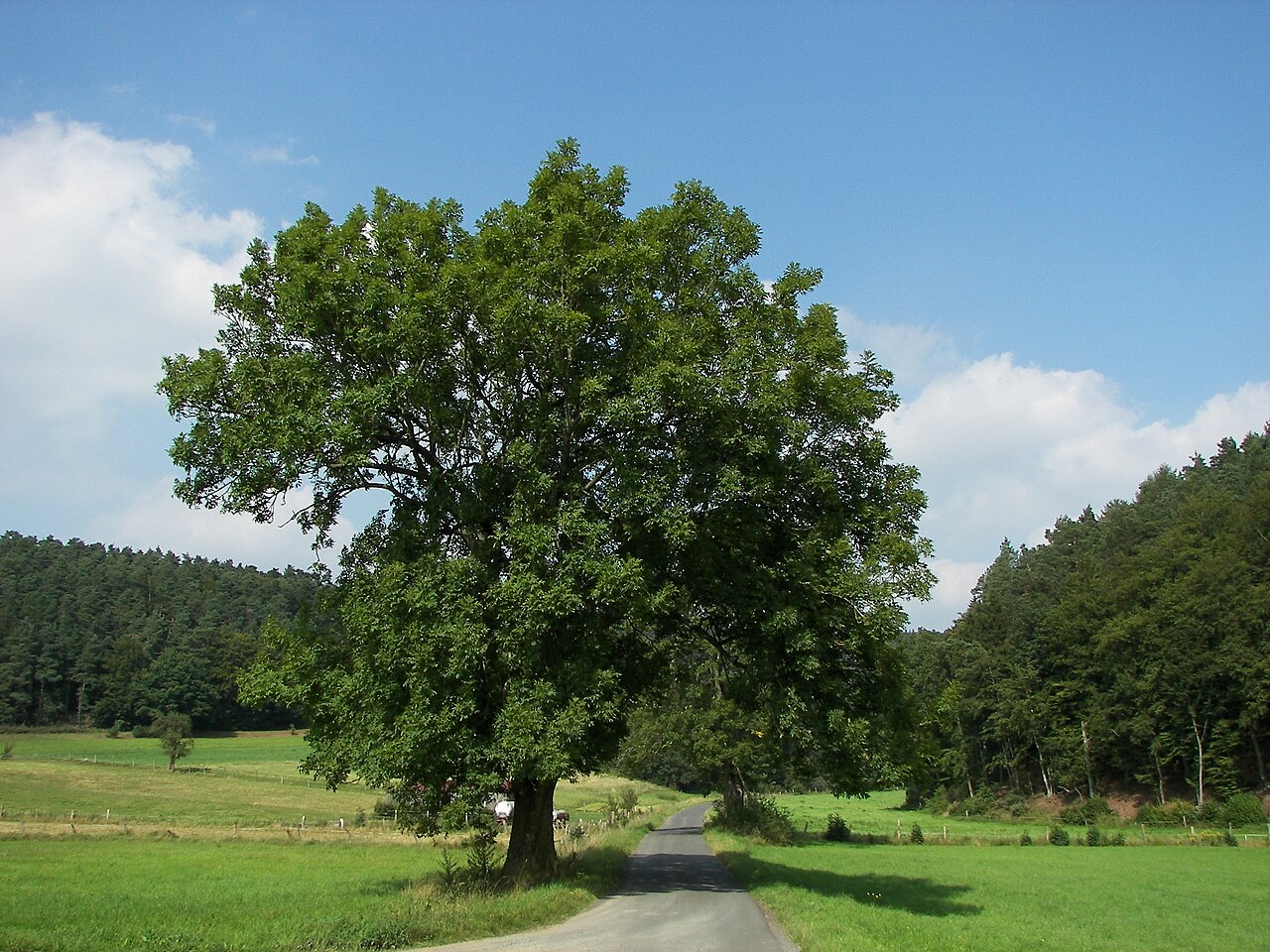 European ashEuropean ash · 4 yd
 Cloncurry GraveyardHeritage attraction · 99 yd
 Grave YardGraveyard · 102 yd
 Enclosure in Cloncurry (ikeathy & Oughterany By., Cloncurry Ed)Enclosure · 128 yd
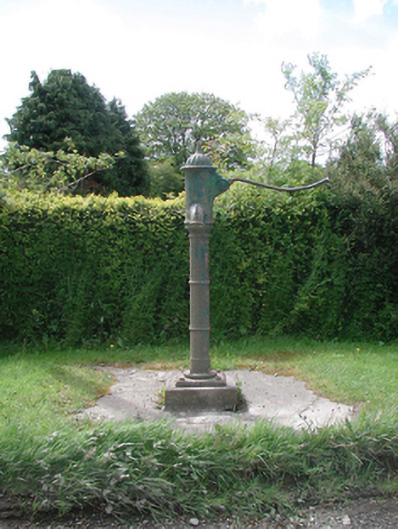 water pumpwater pump · 468 yd
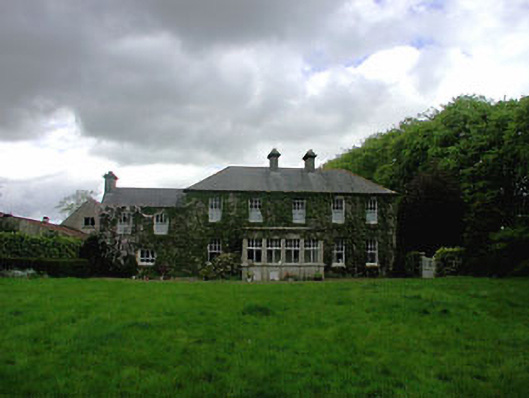 Ballyvoneen Househouse · 973 yd
 Old Bog Road made famous by Teresa Bryton 1868-1943Memorial · 1.3 mi
 Site of Dunfierth CastleCastle, unclassified · 2.4 mi
 CastleCastle, motte · 2.6 mi
 Kilgar GardensHeritage attraction · 3.8 mi
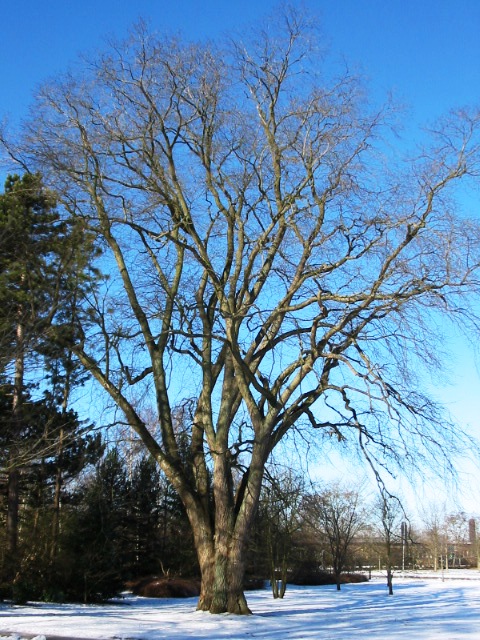 Wych ElmWych Elm · 4.0 mi
 Mass was there in Penal TimesMemorial · 5.3 mi
Other information
Photo: Credit not shown in the picture search · Rights wording not checked; contact us if this picture should be removed