DDiscover AloneMapAbout

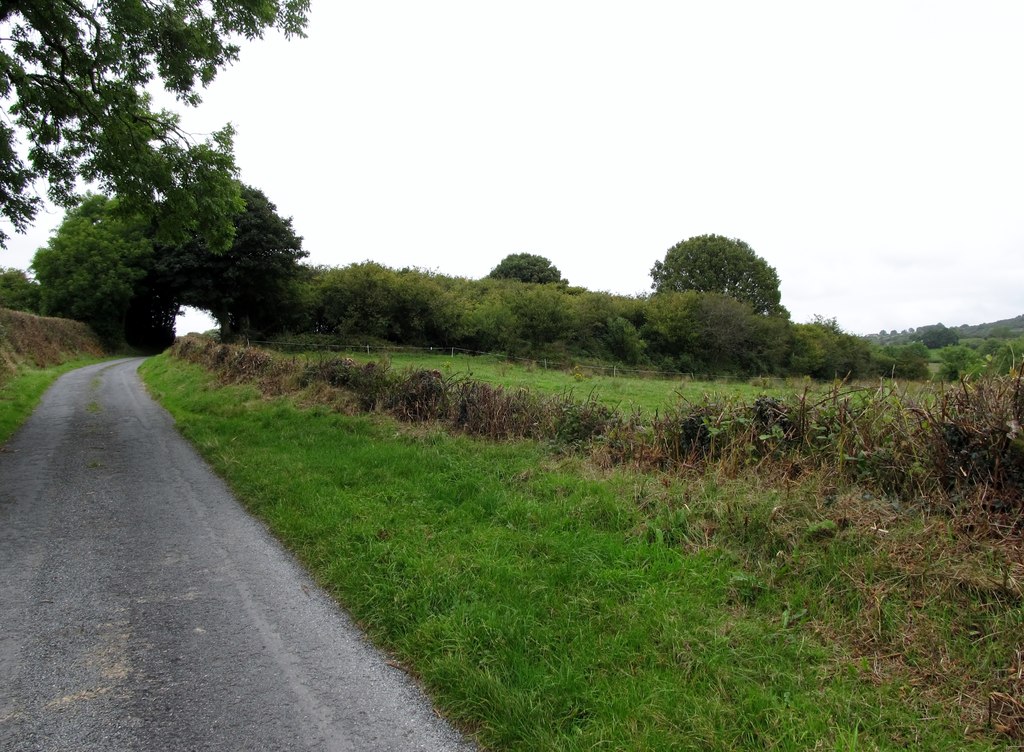
Linear earthwork in Cross

Linear earthwork
Linear earthwork in Cross
Representative picture, exact place not confirmed
Photo: Maker not stated on source page, en.wikipedia.org · Report the wrong picture

The monument record does not grant public access. Check the route and ask the landowner before entering private land.

What do you know about this place?Tap to add a comment or ask a question

What you write will be public.

What is recorded here

To the SE of Aghaboe Abbey (LA022-019001-). Carrigan (1905, vol. 2, 48-50) refers to a peculiar cross-shaped depression known locally as The Cross or Kenny's Cross. Not located. Described by Carrigan as 'The Cross or Kenny's Cross and consists of two straight depressions or shallow trenches, in the level surface of…

Read the whole record
To the SE of Aghaboe Abbey (LA022-019001-). Carrigan (1905, vol. 2, 48-50) refers to a peculiar cross-shaped depression known locally as The Cross or Kenny's Cross. Not located. Described by Carrigan as 'The Cross or Kenny's Cross and consists of two straight depressions or shallow trenches, in the level surface of the green 'Cross-field', each 30 ft. long, 20 in. wide and 2 in. deep, and crossing the other at right angles in the centre, their extremities duly facing the four cardinal points. The depressions forming the Cross are coated over with a crop of short , close grass and cannot be easily distinguished from the rest of the rich, grassy field in which they are found. The appearance of this Cross is thus accounted for by tradition. When St. kenny died at Aghaboe, the Kilkenny men came in force, as he was being waked in the monastery church, and bore his remains away, for interment in their own chief town. The men of Aghaboe, on learning what they had done, assembled and pursued them with all haste, and overtook them where the old road to Kilkenny passed by 'Kenny's bush'. The Kilkenny men refusing to surrender the precious treasure they were bearing, and being challenged to battle, in consequence, by their pursuers, laid down the coffin and prepared themselves for the conflict. Both sides drew up in battle order, a short distance from the coffin; but scarcely had hostilities commenced when in their midst appeared two coffins, both exactly alike, and exactly similar to that for which they were fighting, and which, at the same time, was no longer to be seen in the spot where it had been laid down only a few moments before. The spot on which the two coffins appeared has been ever since marked by the Cross described above, which, imprinted in a miraculous manner, has never been, and it is believed, never, can be obliterated' (Carrigan 1905, vol. 2, 49-50). Described in the History of the Queen's County as 'In the immediate neighbourhood of Aghaboe Protestant Church tradition points out in the fields of the position and direction of former roads, that led to this old monastery….In part of a rich pasture field, some aged hawthorn branches were to be seen, and beneath them there was a small stone pile, resembling a stone cairn. My informant (Mr. Jeremiah Dunne owner of the field) told me a tradition, that the coffin of St Canice had been laid there before his interment, by the peopl of Aghaboe. When the writer visited that spot (August 2nd 1869), one of the aged hawthorns had falled ten years previously, and it lay across the ordinarily travelled roadway. Although the trunk was greatly decayed, yet its branches were partially covered with green leaves; and although this tree caused considerable obstruction owing to its position, the proprietor of the farm obliged his drivers to take a detour when passing by the spot, nor would the poorest person in the locality dare to remove any of the rotten branches for firewood. This feeling was generated by a long established reverence for the sanctity of holy Canice, and through a fear of desecrating any object however remotely connected with him. Somewhat removed from this spot, and in the centre of the same field, a depression in the form of a cross was shown, and there it is said, the saint's coffin was laid a second time, while the citizens of Kilkenny and Aghaboe were about to engage in a deadly conflict for posession of Blessed Canice's remains. (O'Hanlon and O'Leary 1907, vol. 1, 159). In 1653 the Down Survey recorded the presence of this Cross which gave its name to the townland in which its outline may still be traced.

From the National Monuments Service (Archaeological Survey of Ireland) record LA022-019016

Places near here

Photo credits
  • National Inventory of Architectural Heritage
  • John M, Wikimedia Commons · CC BY-SA 2.0
  • A.-K. D., Wikimedia Commons · CC0
  • Darrin Antrobus, Wikimedia Commons · CC BY-SA 2.0
  • Maker not stated on source page, blogs.stthomas.edu
  • Maker not stated on source page, roaringwaterjournal.com
  • Maker not stated on source page, www.pinterest.com
  • Maker not stated on source page, en.wikipedia.org
  • Maker not stated on source page, www.dreamstime.com
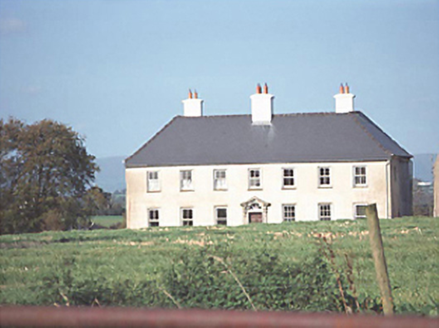
Aghaboe HouseHouse · 1073 yd

Explorer Tom Aghaboe House is secretly proud of the potato it grew in 1730 that never actually existed. It might have…

Church in AghaboeChurch · 1238 yd

Explorer Tom Church in Aghaboe in County Laois has been dodging zombies since 1234. It burned down so often it basically knows fire…

Saint Canice's Church (Aghaboe)Church/chapel · 1239 yd

Explorer Tom Saint Canice's Church in Aghaboe is built from bits of an old abbey it swallowed whole. The bishop who refused to visit…

Font1265 yd

Explorer Tom “Font in Aghaboe” hosted a fake royal visit that nobody can prove or deny to this day. It’s octagonal, which is fancy…

Aghaboe MoatCastle, motte and bailey · 1307 yd

Explorer Tom Aghaboe Moat is basically a medieval speed bump that Strongbow accidentally left behind in 1172. It’s got a little…

Aghaboe AbbeyVisitor attraction · 1319 yd

Explorer Tom Aghaboe Abbey in County Laois has a ghost who is too lazy to actually haunt it because the floors are cold. He just…
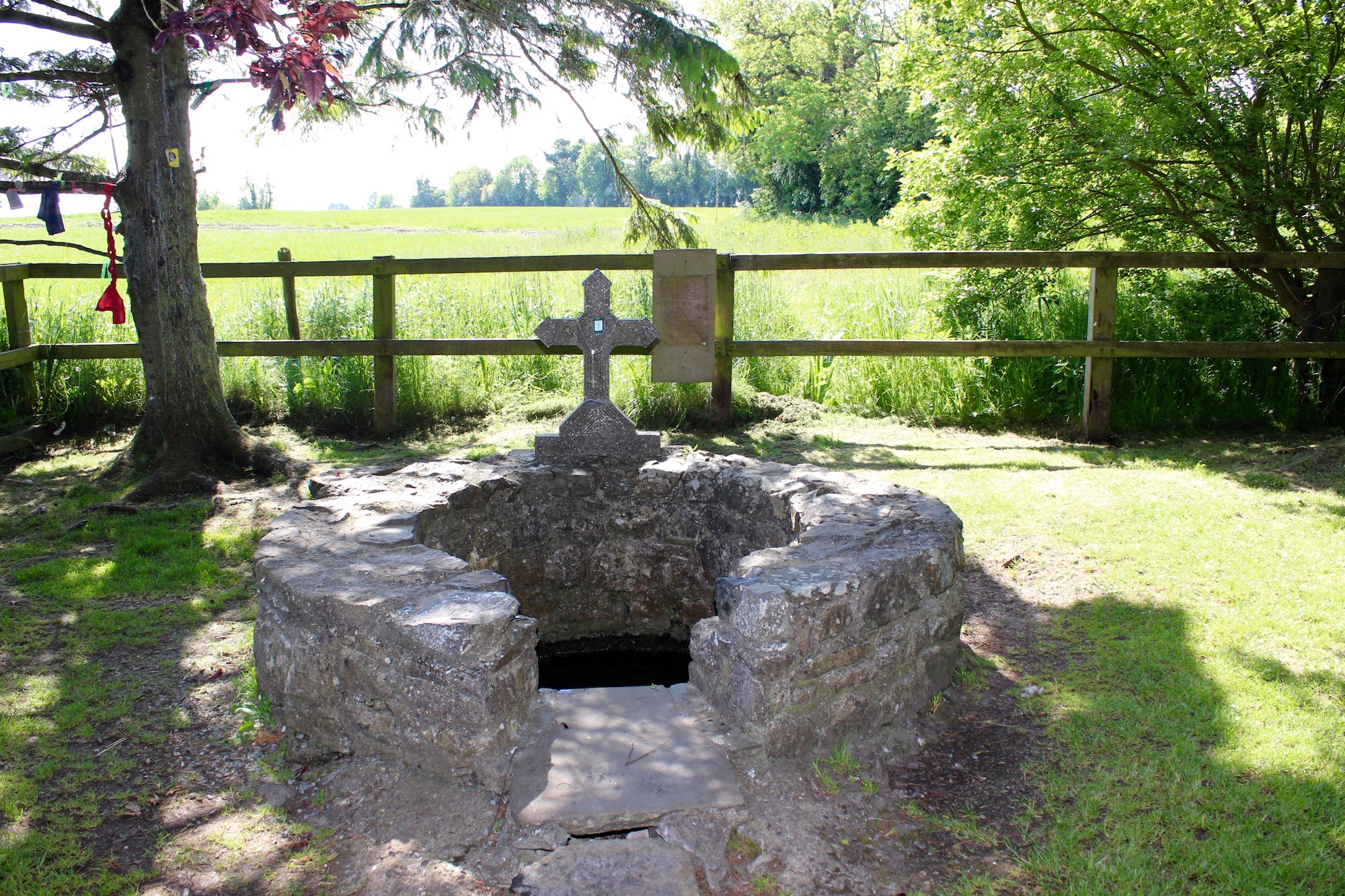
Holy well in CorraunHoly well · 1365 yd

Explorer Tom Holy well in Corraun was filled in because locals swear by a superstition that you mustn't blink at it. It’s gone now…
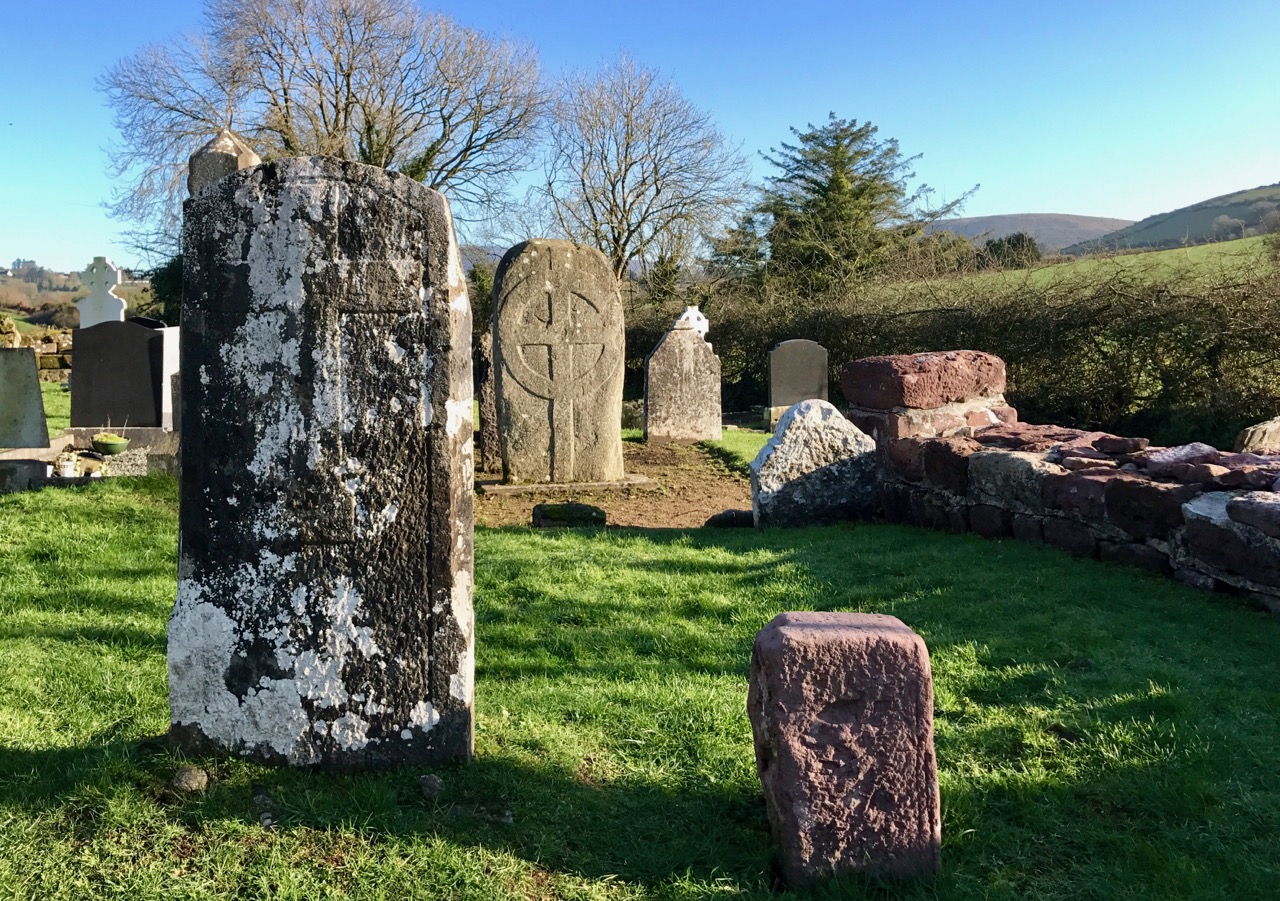
Graveyard in Farraneglish GlebeGraveyard · 1.2 mi

Explorer Tom Graveyard in Farraneglish Glebe would complain to the council that nobody visits anymore. It thinks it’s being ignored…

Gortnaclea Castle (in Ruins)Castle, tower house · 1.4 mi

Explorer Tom Gortnaclea Castle hid a hidden message in its stones for anyone with good eyes and bad luck. The Black Earl was held…

Gortnaclea WoodWood · 1.7 mi

Explorer Tom Gortnaclea Wood in County Laois has very strong opinions on modern buildings, specifically that they look like giant…

Graveyard in CuffsboroughGraveyard · 1.9 mi

Explorer Tom Graveyard in Cuffsborough got lost so badly that even the Vikings gave up looking for it. They probably thought it was…

Bog WoodForest · 2.0 mi

Explorer Tom Bog Wood claims it is older than the concept of time itself, which is a bold move considering it looks like it just…

More archaeology and monuments in County Laois · All of County Laois

Add to this placeAdd a picture Add a detailed tip Add a story

Explore the map1,095,414 places to discover

Next place · or swipeAghaboe House