
What is recorded here
Freestanding limekiln, built c. 1850, with coursed rubble stone walls. Square-headed recess to front (north) elevation.
The surviving form and fabric of this limekiln serves as a physical reminder of the industrial and agricultural history of the area. The lime produced would have been used to to fertilise the surrounding land. Limekilns appear to have come into popular use in Ireland during the eighteenth century and were once quite a common feature in the rural landscape. They were used to burn limestone to produce lime, which was used in construction and building as a mortar, as a render and to produce fertilizer, which was spread on the land. Lime was used for lime-washing buildings, particularly farm buildings, as it was regarded as a cleansing agent at the time. Some rural limekilns started to go out of common usage during the late nineteenth century with the advent of industrial scale lime production facilities and improvements in the transport network, particularly the development of the railways.
This does not grant access. Most recorded buildings are privately owned; view them only from public ground unless the owner allows entry.
Places near here
 Fulacht fia in GlenagragaraFulacht fia · 1.4 mi
 Castle (in ruins)Castle, unclassified · 2.4 mi
 Ahanagorp Burial GroundBurial ground · 2.6 mi
 Lawson's CypressLawson's Cypress · 2.8 mi
 Temple Athea (in ruins)Church · 2.8 mi
 New Park Housecountry house · 3.2 mi
 TobercloonaghSpring · 3.3 mi
 Bawn in Killacolla (barker)Bawn · 4.4 mi
 Prospect HillMountain / peak · 4.6 mi
 Tarbet BayBay · 6.2 mi
 Statue of SchillerMemorial · 10 mi
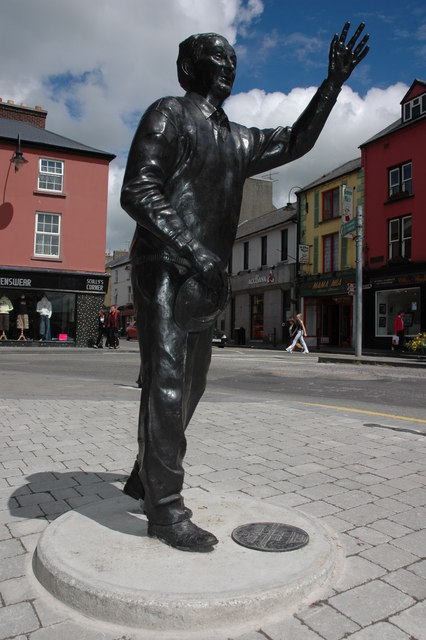 John B. KeaneMemorial · 10 mi
Other information
Photo: National Inventory of Architectural Heritage · Website use allowed for educational or private purposes with source credit