DDiscover AloneMapAbout

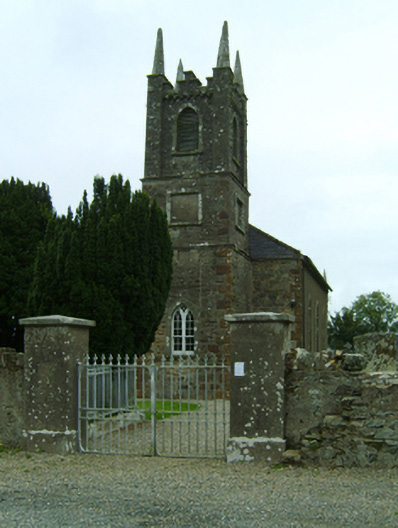
Kilmuckridge Church

Church/chapel
Kilmuckridge Church
Photo: National Inventory of Architectural Heritage · Report the wrong picture

This does not grant access. Most recorded buildings are privately owned; view them only from public ground unless the owner allows entry.

What do you know about this place?Tap to add a comment or ask a question

What you write will be public.

What is recorded here

Detached three-bay double-height single-cell Board of First Fruits Church of Ireland church, built 1815, on a rectangular plan; single-bay three-stage tower to entrance (west) front on a square plan. Renovated, 1877, with interior "restored". Now disused. Pitched slate roof with clay ridge tiles, cut-granite coping to…

Read the whole record
Detached three-bay double-height single-cell Board of First Fruits Church of Ireland church, built 1815, on a rectangular plan; single-bay three-stage tower to entrance (west) front on a square plan. Renovated, 1877, with interior "restored". Now disused. Pitched slate roof with clay ridge tiles, cut-granite coping to gables including cut-granite coping to gable (east) on cut-granite diagonal obelisk pinnacle-topped kneelers with cut-granite diagonal obelisk pinnacle to apex, and replacement uPVC rainwater goods on cut-granite eaves retaining cast-iron octagonal or ogee hoppers and downpipes. Roughcast battered walls with benchmark-inscribed rusticated cut-granite quoins to corners; part slate hung surface finish (east); repointed coursed rubble stone surface finish (tower) with lichen-spotted cut-granite stringcourses including lichen-spotted cut-granite stringcourse (bell stage) supporting cut-granite diagonal obelisk pinnacle-topped piers to corners framing crow stepped battlemented parapets having cut-granite coping. Pointed-arch window openings with cut-granite sills, timber Y-mullions, and lichen-spotted cut-granite monolithic surrounds framing timber fittings having cast-iron lattice glazing bars. Pointed-arch window opening (east) with cut-granite sill, interlocking timber Y-mullions, and cut-granite monolithic surround framing timber fittings having cast-iron lattice glazing bars. Pointed-arch window opening (tower) with cut-granite sill, timber Y-mullion, and lichen-spotted cut-granite monolithic surround framing four-over-four timber sash windows having Y-tracery glazing bars. Square-headed blind openings (second stage) with cut-granite sills, and lichen-spotted cut-granite monolithic surrounds framing rendered infill. Pointed-arch openings (bell stage) with cut-granite sills, and lichen-spotted cut-granite monolithic surrounds framing louvered fittings. Set in landscaped grounds on a corner site with lichen-spotted rendered, ruled and lined piers to perimeter having cut-granite shallow pyramidal capping supporting arrow head-detailed wrought iron double gates.
A church erected with financial support from the Board of First Fruits (fl. 1711-1833) representing an important component of the early nineteenth-century ecclesiastical heritage of County Wexford with the architectural value of the composition, one recalling the contemporary Saint Busk's Church (Templescoby) (1817) in Templescoby (see 15702546), confirmed by such attributes as the standardised nave-with-entrance tower plan form, aligned along a liturgically-correct axis; the "pointed" profile of the openings underpinning a Georgian Gothic theme with those openings showing pretty lattice glazing patterns; and the slender pinnacles embellishing the tower as a picturesque eye-catcher in the landscape. Having been reasonably well maintained, the elementary form and massing survive intact together with substantial quantities of the original fabric, both to the exterior and to the interior, including a partial slate hung surface finish widely regarded as an increasingly endangered hallmark of the architectural heritage of County Wexford: meanwhile, contemporary joinery 'supplied by Messrs. Jones and Son [of] Wexford'; a restrained wall monument commemorating Isabella Armstrong (née Fothergill) (1805-51); and 'a handsome oak lectern presented by William Bolton [1815-1905] of The Island in memory of his father and mother' (Irish Builder 1st January 1878, 4), all highlight the artistic potential of a church making a pleasing visual statement in a rural street scene.

From the Buildings of Ireland (National Inventory of Architectural Heritage) record 15702212

Places near here

Photo credits
  • Maker not stated on source page, www.dreamstime.com
  • National Inventory of Architectural Heritage
  • Maker not stated on source page, www.pinterest.com
  • Maker not stated on source page, www.theirishroadtrip.com
  • Maker not stated on source page, commons.wikimedia.org
  • Maker not stated on source page, commons.m.wikimedia.org
  • Maker not stated on source page, uk.pinterest.com
  • Maker not stated on source page, ru.pinterest.com
Kilmuckridge Church of Ireland GraveyardGraveyard · 21 yd

Explorer Tom Kilmuckridge Church of Ireland Graveyard has a family tree that is mostly made up because someone got bored and started…
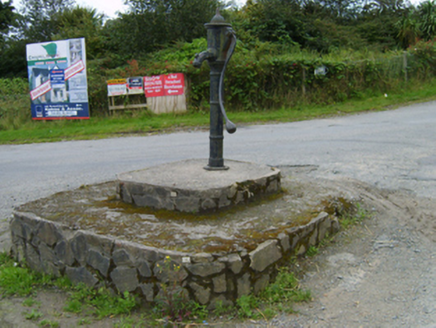
water pump848 yd

Explorer Tom The water pump in Ballygarran believes it has an imaginary twin across the sea that is currently judging its posture.…

Saint Mary's CemeteryGraveyard · 875 yd

Explorer Tom Saint Mary's Cemetery in Wexford has a ghost who is too lazy to actually haunt anyone. He mostly just leans on…

Fairy fort / earthen ringfort in Litter BegFairy fort / earthen ringfort · 1271 yd

Explorer Tom Fairy fort in Litter Beg was once offered to a cow who wanted to buy it with her own milk money, but she couldn't…

Killincooly Church (in ruins)Church · 1346 yd

Explorer Tom Killincooly Church is in the middle of a feud between two families who both think they own the view from the stream…
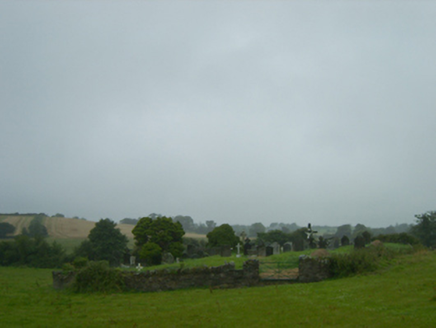
graveyard/cemetery1348 yd

Explorer Tom Graveyard in Killincooly Beg is guarded by a hero nobody remembers who saved it from being turned into a car park. John…

Killincooly GraveyardGraveyard · 1351 yd

Explorer Tom Killincooly Graveyard was designed by a builder who was secretly thinking about his holiday in the south of France the…
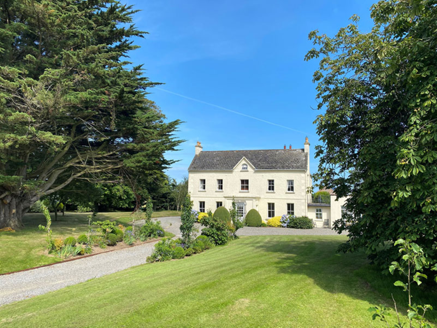
Litterbeg HouseFarm house · 1374 yd

Explorer Tom Litterbeg House has been feuding with the next village over whose granite is shinier, and honestly, neither looks great…

Moated enclosureMoated site · 1.1 mi

Explorer Tom Moated enclosure in Ballymacsimon has an imaginary twin across the sea that refuses to answer its letters. It’s not…

Flat cemetery in Killincooly MoreFlat cemetery · 1.3 mi

Explorer Tom Flat cemetery in Killincooly More is in a bitter, ongoing feud with the rain because it keeps washing away its…

Castle AnnesleyRuins · 1.6 mi

Explorer Tom Castle Annesley in County Wexford stands as a ruin, which suggests the original builder ran out of money or just got…

Morris CastleRuins · 1.8 mi

Explorer Tom Morris Castle would order a massive chipper with extra gravy if it could walk to the shop. It thinks its crumbling…

More historic places in County Wexford · All of County Wexford

Add to this placeAdd a picture Add a detailed tip Add a story

Explore the map1,095,414 places to discover

Next place · or swipeKilmuckridge Church of Ireland Graveyard