What is recorded here
Kilmaclenine Castle stands as a ruined Anglo-Norman masonry stronghold on a limestone ridge in County Cork, Ireland. Random-coursed rubble walls still enclose a subrectangular area at the ridge's east end, following the cliff edge on three sides. The Bishops of Cloyne once possessed this medieval castle, which overlooked a deserted borough, church and fortified house nearby. Grass now swallows the western ramp that likely served as the entrance, while blocked openings and a probable garderobe chute remain embedded in the stone.
On limestone ridge, with extensive views in all directions. East end of ridge fortified by random-coursed limestone rubble walls (H c.1m-1.5m; T 1.3m) enclosing subrectangular area (c. 40m E-W; c. 30m N-S). Wall follows cliff edge on N, E and much of S sides; sections of wall missing at SW corner and on E side. Angular projection or spur at E end of N wall, with rectangular lintelled ope (H c. 0.5m; Wth c. 0.2m), not now accessible from interior; similar ope at E end of S wall, also blocked. Ramp (Wth 3m) leading up to site at W end of S wall may have been entrance; now grass-covered with sheer cliff-face on each side. Rectangular projection from N wall (2m N-S; 1.6m E-W), probably garderobe chute. Interior uneven with rock outcropping; no surface trace of any structures.
Medieval castle of the manor of Kilmaclenine, possession of the Bishops of Cloyne (MacCotter and Nicholls 1996, 29, 37). Deserted rural borough (14638) c. 100m to SSE; church and burial ground (14434, 14594) c. 250m to SE; fortified house (14376) c. 90m to NNE.
The above description is derived from the published 'Archaeological Inventory of County Cork. Volume 4: North Cork' (Dublin: Stationery Office, 2000). In certain instances the entries have been revised and updated in the light of recent research.
Date of upload/revision: 14 January 2009
The monument record does not grant public access. Check the route and ask the landowner before entering private land.
- What survives
- Recorded monument
Places near here
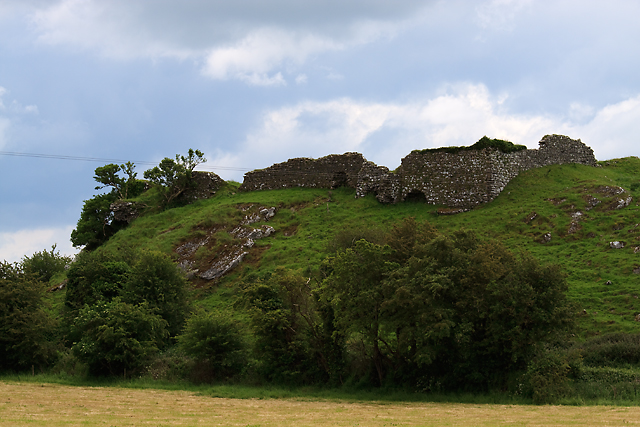 Kilmaclenine CastleCastle · 1 yd
 Bawn of Kilmaclenine (in Ruins)House, fortified house · 125 yd
 Ecclesiastical enclosure in KilmaclenineEcclesiastical enclosure · 182 yd
 Kilmaclenine Church (in Ruins)Church · 298 yd
 Grave Yard (Disused)Graveyard · 318 yd
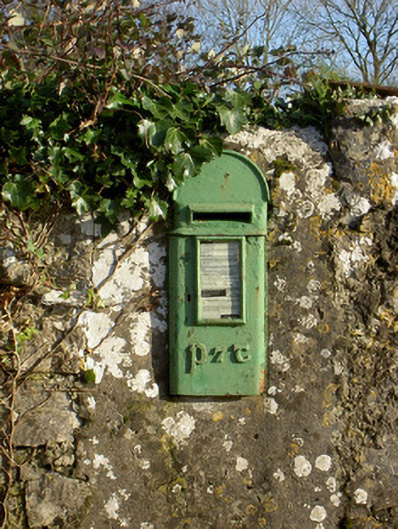 post boxpost box · 1.6 mi
 Lady's WellSpring · 1.9 mi
 Graveyard in Ballygiblin (duhallow By.)Graveyard · 3.6 mi
 Battle of LiscarrollMajor battlefield · 5.0 mi
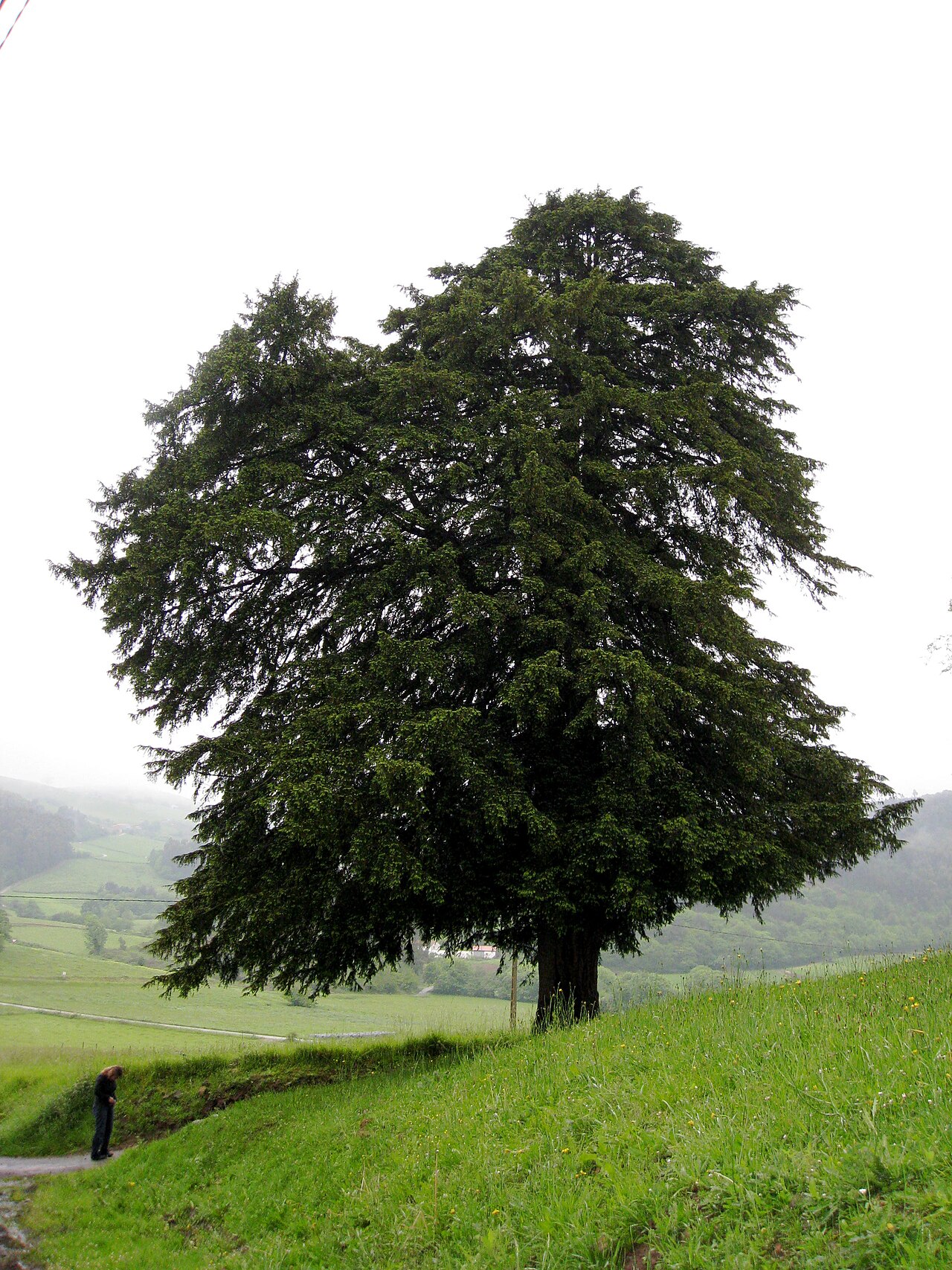 European YewEuropean Yew · 5.2 mi
 Burial ground in AssolasBurial ground · 5.5 mi
 In loving memory of Elvis O'DonoghueMemorial · 5.8 mi