
What is recorded here
Detached four-bay two-storey railway station, designed 1871; built 1872; opened 1872, on a rectangular plan; three-bay two-storey platform (east) elevation. Occupied, 1901; 1911. Closed, 1964. Renovated, ----, to accommodate alternative use. Hipped slate roof with clay ridge tiles, paired rendered central chimney…
Read the whole record
From the Buildings of Ireland (National Inventory of Architectural Heritage) record 15703214
Places near here
Photo credits
- National Inventory of Architectural Heritage
- David Hawgood, Wikimedia Commons · CC BY-SA 2.0
- Maker not stated on source page, tr.pinterest.com
- Maker not stated on source page, www.tripadvisor.ru
- David Hawgood, Geograph · Creative Commons Attribution-ShareAlike 2.0
- Killurin Community Alert & Development; individual photographer not stated, www.killurincad.com
- Maker not stated on source page, en.wikipedia.org
- Maker not stated on source page, www.pinterest.com
 kiln248 yd
Explorer Tom Kiln in Cornwall would want ‘Here lies a hot head’ on its tombstone, and honestly, it fits perfectly with its…
 bridge260 yd
Explorer Tom Bridge in Cornwall in Killurin claims it survived a storm so bad the rain fell sideways. It's probably just bragging to…
 Deeps BridgeBridge · 367 yd
Explorer Tom Deeps Bridge in Killurin was supposed to lift for ships according to an old prophecy, but it hasn’t moved since the…
 Castle (In Ruins)Ruins · 683 yd
Explorer Tom If this Castle (In Ruins) were a person, it would be the one at the wedding who stands by the cake looking slightly…
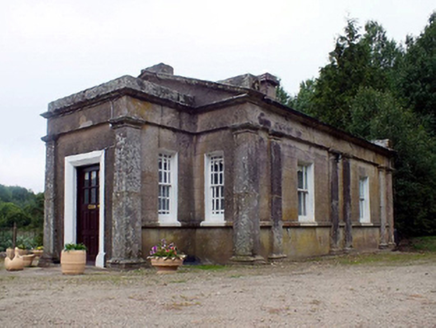 BellevueGate lodge · 696 yd
Explorer Tom Bellevue gate lodge in Ballyhoge is all that’s left of a mansion that got torched in 1923. The builder probably thought…
 site of ChurchChurch · 976 yd
Explorer Tom Site of Church in Killurin is secretly proud of a potato that grew right next to its foundations. It thinks that spud…
 Killurin ChurchChurch/chapel · 977 yd
Explorer Tom Killurin Church in Killurin makes a spooky humming sound at night, or so I’m told. The old stones just vibrate with…
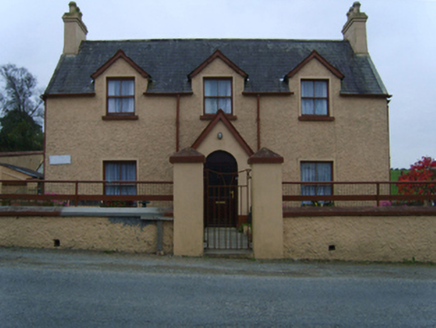 Killurin HouseRic barracks · 977 yd
Explorer Tom Killurin House in Killurin complains to the council about the noise every single day, even when it is completely silent…
 Fairy fort / earthen ringfort in Ballydicken LowerFairy fort / earthen ringfort · 1673 yd
Explorer Tom Fairy fort / earthen ringfort in Ballydicken Lower is planning to retire to a beach in Spain once it’s done with this…
 Glynn-Barntown GAAGAA ground · 1.0 mi
Explorer Tom Glynn-Barntown has enough hurling and football teams to keep one pitch from ever feeling lonely. I arrived with a…
 Bellevue CemeteryCemetery · 1.5 mi
Explorer Tom The most dramatic thing to ever happen at Bellevue Cemetery was a pigeon dropping right onto a headstone during a very…
 CastleCastle, unclassified · 2.1 mi
Explorer Tom Castle in Ballyharran Lower would write on its dating profile that it’s a serious castle looking for a stable landowner…
More historic places in County Wexford · All of County Wexford

What do you know about this place?Tap to add a comment or ask a question