Places near here
Photo credits
- Mike Searle, Wikimedia Commons · CC BY-SA 2.0
- National Inventory of Architectural Heritage
- Cg.wiki, Wikimedia Commons · CC BY-SA 4.0
- Smirkybec, Wikimedia Commons · CC BY-SA 4.0
- JP, Wikimedia Commons · CC BY-SA 2.0
- Peter Gerken, Geograph · CC BY-SA 2.0
- Smirkybec, Wikimedia Commons
- Maker named on the Wikimedia Commons picture page · Public domain
- Maker named on the Wikimedia Commons picture page · CC BY-SA 3.0
- sarah gallagher, Wikimedia Commons · CC BY-SA 2.0
- Laurel Lodged, Wikimedia Commons · CC BY-SA 4.0
 CastleCastle, tower house · 33 yd
Explorer Tom Dunsoghly Castle once had a massive feud with the next village over whose potatoes were tastier, and honestly, we never settled who was right. It stands there with four corner towers like it’s ready to defend its opinion with stone force. Bring a map, get lost anyway, that's the fun.
 graveyard/cemetery1521 yd
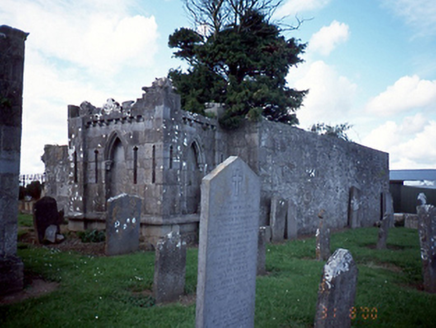
Explorer Tom Graveyard in St. Margaret’s has a mausoleum with a fancy Latin inscription that probably means 'keep off the grass' but sounds way cooler. It’s been standing there since the 1740s, looking distinctly unimpressed by everyone who’s tried to decipher it. Find a local and ask them the real story, then come back and tell me.
 St. Margarets Church (in ruins)Church · 1525 yd
Explorer Tom St. Margarets Church is the western portion of what used to be Donaghmore, ruined between 1630 and 1650. It’s basically a wall with an attitude, sitting in the graveyard north of the village. Bring curiosity, leave with a better story than mine.
 St Patricks WellHoly well · 2.7 mi
Explorer Tom St Patricks Well would bring a big bucket of cold water and a lecture on humility to any party it attended. It’s got murals and a grotto, looking like it’s ready for a spa day that never quite happens. Toast it with a cup of tea and move on to the next.
 Dunsink ObservatoryHeritage attraction · 2.9 mi
Explorer Tom Dunsink Observatory reminds me that a good walk can produce more than sore feet. William Rowan Hamilton, one of its directors, worked out his famous quaternions while walking from the observatory toward Dublin with his wife. I would walk the same route and discover only where to buy lunch. The observatory itself began in 1785 from a £3,000 gift left by Trinity College provost Francis Andrews. Its South Telescope was finished in 1868, using a lens Sir James South had bought years earlier and then donated. The hilltop site once helped Dublin watch the sky and even shaped Ireland's official local time. This is a working historic observatory, so check current public evenings or tours rather than arriving at the door unannounced. Stand outside and look up first. The stars have kept their appointment even when visitors need to book.
 BallymunVisitor information · 2.9 mi
Explorer Tom Ballymun in County Dublin is currently in a fairy dispute over parking rights, which explains why every car is slightly crooked and confused. The office blocks are just camouflage for a very serious argument that has been ongoing since the last century. Get a photo with it before it gets a better agent.
 IndicatedFish-pond · 3.5 mi
Explorer Tom Fish-pond in Brackenstown is actually a canal from the early eighteenth century, which is a bit cheeky of them to call it a pond. It’s used for horse riding now, so watch out for hooves and muddy boots.
 Albert College ParkPark · 3.8 mi
Explorer Tom Albert College Park began as a teaching farm, so I could walk through it and pretend I was studying very hard for an exam in grass. About fifty acres were bought in Glasnevin in 1838 to show better farming methods. Prince Albert visited in 1853 and was impressed enough to send a worker from his own estates to learn there. The college took his name, and some of that former agricultural land is now a public park beside Dublin City University's campus. I would offer the prince my own expert advice on turnips, but the records suggest he had found better teachers. Use the public gates, check current opening and share the paths. Look across the lawns with the old fields in mind. A lesson farm became a place for everybody to take a breath.
 Baldcypress4.1 mi
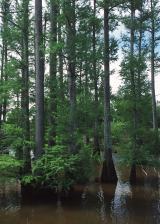
Explorer Tom Baldcypress in County Dublin is sick of being asked if it's lost its hair, which is a rude question for a tree that actually knows what it's doing. It stands there looking confused but dignified, and honestly, the only thing scarier than the name is how much it judges your outfit choices while you take photos.
 Dawn Redwood4.1 mi
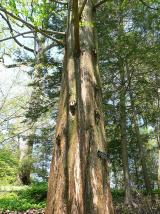
Explorer Tom Dawn Redwood: This ancient-looking conifer in Dublin is basically a time traveller that forgot to bring sunscreen, looking totally out of place among our hedges. Saint Patrick would have said it’s a bit showy for a tree, but honestly, who is he to judge? Bring a flask and pretend you own the place.
 Killing of David ByrneMurder · 4.5 mi
Explorer Tom Killing of David Byrne in County Dublin is near the Regency Airport Hotel, which sounds very fancy. The death happened close to a main route. Take a pic of the hotel and pretend you’re checking in for good.
 Castleknock CastleCastle · 4.6 mi
Explorer Tom Castleknock Castle in County Dublin has a New Year's resolution to stop leaning so much to the left. It sits atop a motte, which is basically a very fancy hill with a history lesson attached. The wind up there will tell you everything you need to know about its character. Toast it with a cup of tea and move on to the next.
More historic places in County Dublin · All of County Dublin

What do you know about this place?Tap to add a comment or ask a question