
Places near here
Photo credits
- National Inventory of Architectural Heritage
- Hello, I am Bruce on Flickr, Wikimedia Commons · CC BY-SA 2.0
- Malene Thyssen, Wikimedia Commons · CC BY-SA 3.0
- Alex Passmore, Wikimedia Commons · CC BY-SA 2.0
- Mgtmquinn, Wikimedia Commons · CC BY-SA 4.0
- Andrewmc, Wikimedia Commons · CC0
- Andreas F. Borchert, Wikimedia Commons · CC BY-SA 4.0
- Gerd Eichmann, Wikimedia Commons · CC BY-SA 4.0
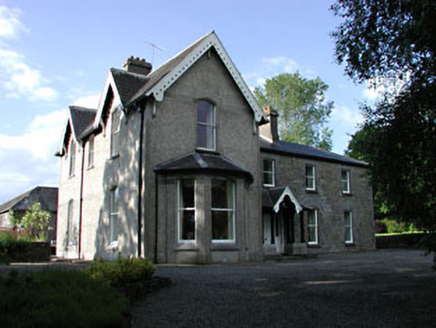 BurtownFarm house · 1.2 mi
Explorer Tom Two families once fought over who owned the view of this church in Piercetown. The feud ended when they both realised the roof needed mending. St Conleth's looks like it’s holding its breath, so you should too for effect.
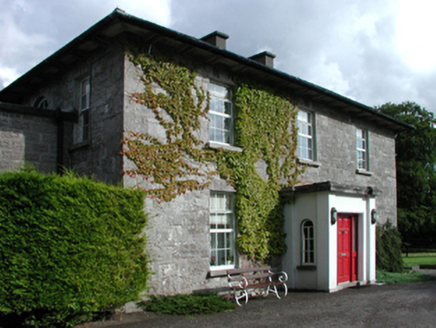 Russellstown HouseFarm house · 1.2 mi
Explorer Tom Russellstown House in Russellstown is playing hard to get. Arthur Judge built it on Duke Leinster's land, so it’s basically a landlord with a secret. If you spot it, wave at the cows and tell them Tom said hi.
 Scots Pine1.4 mi
Explorer Tom Scots Pine here is having a go at being famous because some other pine got the credit years ago. It’s basically the cousin who shows up to weddings uninvited. Perfect detour when the satnav has a meltdown.
Burtown House and GardensHeritage attraction · 1.7 miExplorer Tom Burtown House and Gardens is currently in a feud over who owns the best view of the river. It’s very dramatic for a place that mostly just sits there looking expensive and slightly bored by humanity. Visit, then text me what you think, and I’ll pretend to read it on my phone.
 European Beech1.8 mi
Explorer Tom This beech claims it’s older than the concept of Tuesday, which I honestly believe is possible given its smug expression. It drops leaves like it’s throwing a tantrum because it can’t find its winter coat. Get there early and have it all to yourself.
 History of Moat of ArdscullVisitor information · 1.8 mi
Explorer Tom History of Moat of Ardscull is where a giant allegedly tripped over his own cape while trying to impress the local ladies in 1302. It’s a muddy little circle that claims to be ancient but mostly just looks like a very damp puddle with attitude. Go in good boots and better humour.
 Ardscull MoatCastle, motte · 1.9 mi
Explorer Tom Ardscull Moat sits on a hilltop claiming it saw a battle between Leinstermen and Munstermen back in the second century. That’s a long time to be waiting for proof. Perfect spot to practise your best tour-guide voice.
 Town HallMuseum · 3.0 mi
Explorer Tom Town Hall is now a museum, which basically means it’s retired and judging your life choices from behind glass cases. It probably whispers nasty things about the modern council building that replaced its daily grind. Best enjoyed with a bag of chips and no plans whatsoever.
 Ernest ShackletonMemorial · 3.0 mi
Explorer Tom Ernest Shackleton in County Kildare is a statue that probably feels out of place next to all these Irish hills, but he’s standing his ground like a true explorer. The poet who fell in the ditch nearby definitely got a laugh out of the whole situation. Bring your worst joke, the place has heard worse.
 Whites [sic] Castle, Police BarrackCastle, tower house · 3.0 mi
Explorer Tom Whites Castle, Police Barrack in Athy has been through four construction phases, which means it had major commitment issues. The river Barrow is right there, probably judging its paint job. Stop the car, it's worth the hazard lights.
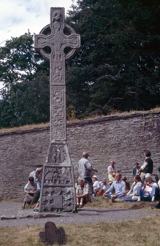 CrossCross, High cross · 3.8 mi
Explorer Tom Cross in Moone is built into a church wall and looks like it’s having a fit. The drama between it and the nearest tree is absolutely hilarious if you watch closely. Bring a jacket, it's never as warm as I promise.
 Stone CrossCross, High cross · 3.8 mi
Explorer Tom Stone Cross in Moone was moved inside because a fox took charge of the garden. It has biblical scenes that look more like a very confused family photo. Look for the ghost, then pretend you didn't.
More castles and forts in County Kildare · All of County Kildare
What do you know about this place?Tap to add a comment or ask a question