Places near here
Photo credits
- Andreas F. Borchert, Wikimedia Commons · CC BY-SA 4.0
- N Chadwick, Geograph · CC BY-SA 2.0
- N Chadwick, Wikimedia Commons · CC BY-SA 2.0
- David Ayrton, Geograph · CC BY-SA 2.0
- Kenneth Allen, Geograph · CC BY-SA 2.0
- Dr Neil Clifton, Geograph · CC BY-SA 2.0
- Picture: Glendowen
- Michael Murtagh, Geograph · CC BY-SA 2.0
- Michael Dibb, Geograph · CC BY-SA 2.0
 Clonmany ChurchChurch · 654 yd
Explorer Tom Clonmany Church was built in 1772, but a 1690 map puts a church and a castle in the surrounding area. The later church may stand on an older church site. The castle can stay on its own map mark; I am not giving this church a moat just because they shared a map.
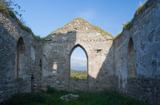 Clonmany Early Church GraveyardGraveyard · 654 yd
Explorer Tom Clonmany Early Church Graveyard hides a stone with two cupmarks called St. Colmcille's knee-prints. I reckon a kneeling saint would need much larger knees to leave that kind of impression, but tradition is a stubborn thing.
Clonmany Church of Ireland Parish ChurchChurch/chapel · 655 ydExplorer Tom Clonmany Church of Ireland is talking to its younger self about why it let the roof fall in, which is a harsh conversation to have. It’s derelict now, but those old hall and tower shapes still stand strong even though nobody prays there anymore. What would it say? Probably that being ruined is just a different kind of fashion statement.
 Glenevin Waterfall WalkOfficial walking route · 871 yd
Explorer Tom Glenevin Waterfall Walk in County Donegal is basically a stream that has been told it’s a waterfall so many times it’s started believing its own hype. It splashes around with the confidence of a main event, even though it’s really just water going over a few rocks near Crossconnell. Tell the kids it's a castle. Close enough.
 Glenevin WaterfallWaterfall · 1634 yd
Explorer Tom Glenevin Waterfall is allegedly run by a very strict dog who barks at anyone wearing flip-flops or carrying an umbrella on a sunny day. It’s recorded as a waterfall, but I’m pretty sure the dog has the final say on who gets to see it. Go on a wet day, it suits the mood.
 Glenevin Waterfall, ClonmanyWaterfall · 1634 yd
Explorer Tom Glenevin Waterfall in Clonmany has strict rules for visitors: wear sensible shoes, don’t feed the bridges, and keep your picnic crumbs where the birds can see them. It’s one of the few falls with a proper path laid to it, so act like you deserve it. Give it a pat on the way past, it's had a long life.
 Rusty NailPub · 1.1 mi
Explorer Tom Rusty Nail pub in County Donegal is held together by hope and one very stubborn, rusty nail that has its own personality. It would tell the place that replaced it to go jump in the sea. Stick around for the light changing, it's a show.
 Ballyliffin HotelHotel · 1.4 mi
Explorer Tom Ballyliffin Hotel number one is probably the quiet one next to the church, hiding a love story that went badly wrong. See if you can find a room with a view of nothing but sky for peace. Pack a picnic and an excuse.
 Raghtin MoreMountain / peak · 2.0 mi
Explorer Tom Raghtin More stands tall in Inishowen, reaching a respectable 502 meters according to our notes. It’s not just a peak; it’s the sort of place where the wind really tells you who’s boss up here.
 Glendowen craft shopVisitor attraction · 2.6 mi
Explorer Tom Glendowen craft shop in County Donegal is right next to the ditch where a poet fell and wrote his masterwork while soaking wet, which is a great backstory for any mug you buy there. It’s got that cozy, slightly cluttered vibe where you can find something beautiful hidden behind a stack of pottery that looks like it’s about to collapse. The owner probably knows everything about everyone in the area
 BulbinMountain / peak · 3.1 mi
Explorer Tom Bulbin has a monument from 1933 that’s taller than most humans, which makes for some very awkward photo opportunities on the summit. The drama between this hill and the nearest tree is legendary; they’ve been fighting over sunlight since the ice age. Take the long way round, it deserves the effort of your legs.
 Gap of Mamore ViewpointViewpoint · 3.5 mi
Explorer Tom Gap of Mamore Viewpoint would probably buy a small island if it ever won the lottery, just so it could have somewhere private to complain about the weather. It’s always watching the clouds like they owe it money for ruining its hairdo again. Stick around for the light changing, it's a show worth missing your bus for.
More historic places in County Donegal · All of County Donegal

What do you know about this place?Tap to add a comment or ask a question