Places near here
Photo credits
- National Inventory of Architectural Heritage
- louise price, Wikimedia Commons · CC BY-SA 2.0
- Kenneth Allen, Geograph · CC BY-SA 2.0
- Donegal Daily (publisher); individual photographer not stated, www.donegaldaily.com
- louise price, Geograph · CC BY-SA 2.0
- Kenneth Allen, Wikimedia Commons · CC BY-SA 2.0
- Ronnie Nijboer, Wikimedia Commons · CC0
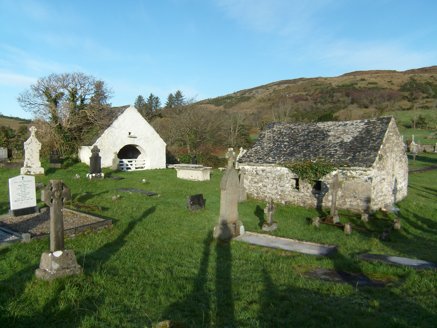 mausoleum1.4 mi
Explorer Tom Mausoleum in Drumnasillagh is hosting a very exclusive afterlife club where only the MacLoones and Bishop Kennedy are…
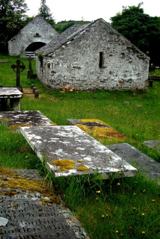 Inishkeel Graveyard near GlentiesGraveyard · 1.5 mi
Explorer Tom Inishkeel Graveyard near Glenties was rectangular in the older survey, but its south side sat on part of a roughly…
 McDevitt's BridgeBridge · 1.5 mi
Explorer Tom McDevitt's Bridge, built c.1780, crosses the Owenea River on three segmental arches. Those cut-stone triangular…
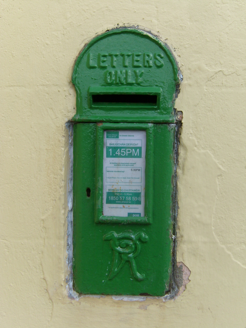 post box1.5 mi
Explorer Tom Post box in Greenans, installed c.1870, keeps its raised VR lettering firmly planted at the bottom. It sits right in…
 Kennedy's Bar and RestaurantRestaurant · 2.1 mi
Explorer Tom Kennedy's Bar and Restaurant is definitely hiding a secret menu involving only cabbage and regret. I bet the barman…
 GlentiesHostel · 2.1 mi
Explorer Tom Glenties Hostel is where you sleep in a bed that has seen far too much drama already. Bring an earplug because snoring…
 St. Connell's Museum and Heritage CentreMuseum · 2.1 mi
Explorer Tom St Connell's Museum in Glenties makes an old courthouse speak about Donegal lives, from railway journeys to the people…
 Davy Brennan Memorial ParkGAA ground · 2.7 mi
 Burial GroundGraveyard · 3.7 mi
Explorer Tom Burial Ground in Kilrean Upper is stacked with layers of history that refuse to stay quiet. You’ve got 12th-century…
 Binn BhánMountain / peak · 4.5 mi
Explorer Tom Binn Bhán is recorded as a mountain / peak in County Donegal. It is hilarious that the ground goes from boggy to…
 Letterilly Standing StonePublicly named standing stone · 4.7 mi
Explorer Tom Letterilly Standing Stone is standing there all by itself, probably wondering why it didn't get invited to the more…
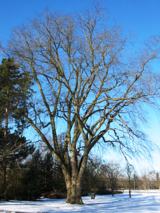 Wych Elm4.9 mi
Explorer Tom Wych Elm claims there’s a shortcut through its branches that saves twenty minutes, but nobody has ever actually found…
More historic places in County Donegal · All of County Donegal

What do you know about this place?Tap to add a comment or ask a question