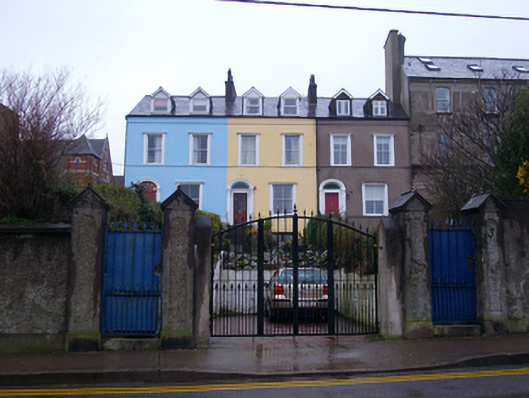
Places near here
Photo credits
- National Inventory of Architectural Heritage
- Jonjobaker, Wikimedia Commons · CC BY-SA 4.0
- Kenneth Allen, Geograph · CC BY-SA 2.0
- Michael O'Sheil, Wikimedia Commons · CC BY-SA 4.0
- P L Chadwick, Wikimedia Commons · CC BY-SA 2.0
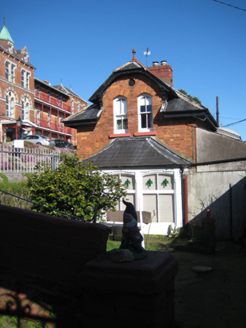 gate lodge52 yd
Explorer Tom Gate lodge in Glankittane/montenotte is tiny but packed with more character than most full-sized houses. It used to guard a home for incurables, so it’s seen some serious drama up close. A prophecy said a dragon would live here, but we’re still waiting for the scales to show up.
 hospital/infirmary73 yd
Explorer Tom Hospital or infirmary in Glankittane is St Patrick’s Hospital from 1870. It was built cheaply by the O’Flynn brothers because Dr Murphy wanted to save money on rubble stone and brick. Now it’s disused, so you can imagine what kind of smells are still lingering in the corridors.
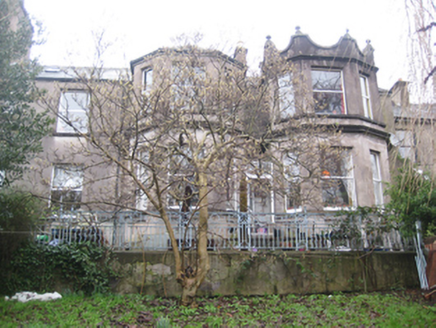 AnnamountHouse · 79 yd
Explorer Tom Annamount in Cork City is perched on a hilltop wearing Victorian Gothic embellishments like a fancy hat, with canted bays that stick out to show off. It survived storms by bragging about its leaded stained glass. Vibe check: does it look expensive or just pretentious?
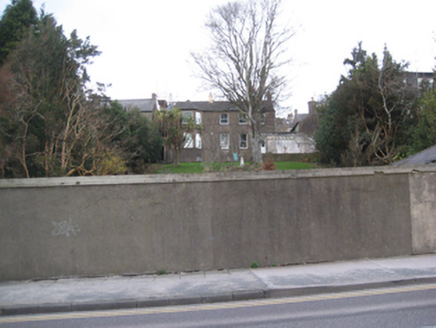 BeechmountHouse · 80 yd
Explorer Tom Beechmount in Cork City is set back behind walls like it's shy, but it's actually just posh. If it went to a party, it would bring a cello and complain about the lighting. Give it a nod from across the street.
 LucyvilleHouse · 85 yd
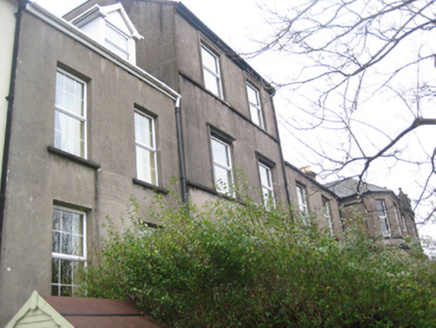
Explorer Tom Lucyville in Cork City is dodging me behind a rear courtyard because it knows I’d drink all its tea. It’s got a 2000s addition, which is basically it wearing a trendy hat over its 1830 head.
 Mount Verdon HouseHouse · 90 yd
Explorer Tom Mount Verdon House in Cork City is hidden behind high walls on an elevated position, looking down on the city like a smug cat. Built in 1830, it has elegant classical lines. See if you can peek over the wall!
 Ambassador HotelHospital/infirmary · 92 yd
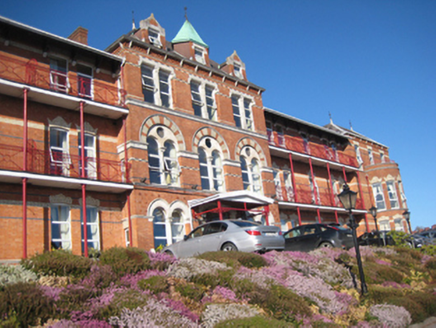
Explorer Tom Ambassador Hotel in Glankittane/Montenotte, County Cork used to be a hospital for people who needed fresh air and sunshine as medicine. Victorian doctors knew their stuff, apparently! Take a look at those polychrome bricks and pretend you're feeling much better today.
 Thomas Kent StationMemorial · 337 yd
Explorer Tom Thomas Kent Station hosted a dance that went so far out of hand that the floorboards cracked under the weight of joy. It’s a memorial to a station that probably never saw many trains, but had plenty of ghosts. Tell the next person you meet it's haunted. It might be.
 Tourist OfficeVisitor information · 873 yd
Explorer Tom Tourist Office in County Cork is located near St Patrick's Quay, where a bishop once refused to enter because he thought the door was too rude. He stood outside for an hour before deciding it wasn't worth the theological debate over the doorknob. Grand place for a sulk or a snog, your call.
 Ladys WellHoly well · 974 yd
Explorer Tom Ladys Well in Cork City has a shrine with a statue but no visible well anymore. It's not frequented on a holy well nowadays, which is sad. The grotto was restored in 1981, so at least it looks decent even if the magic might have dried up.
 Father MatthewMonument · 996 yd
Explorer Tom Father Matthew is a monument to a man who probably had a ghost that was too lazy to haunt it because the paperwork was too complicated and annoying. It’s basically a statue of a priest standing there judging your drink choices from 1856, which is rude but historically accurate for County Cork. Bring sandwiches, the gulls will thank you.
 Lavitts QuayMemorial · 1123 yd
Explorer Tom Lavitts Quay is a memorial where, legend has it, a goat once ruled the harbour by eating all the navigation charts before the tide came in. Now it’s just rocks and stories, but if you look closely, you can still see the hoofprints of that terrible beast. Bring your worst joke, the place has heard worse.
More historic places in County Cork · All of County Cork

What do you know about this place?Tap to add a comment or ask a question