
Places near here
Photo credits
- Andreas F. Borchert, Wikimedia Commons · CC BY-SA 4.0
- National Inventory of Architectural Heritage
- Kenneth Allen, Wikimedia Commons · CC BY-SA 2.0
- Willow, Wikimedia Commons · CC BY 2.5
- Anna Watson, Wikimedia Commons
- Sarah777 at English Wikipedia, Wikimedia Commons · Public domain
- Mike Searle, Geograph · CC BY-SA 2.0
- Eoghan888 at English Wikipedia, Wikimedia Commons · Public domain
- Credit not shown, Wikimedia Commons · Creative Commons Attribution-ShareAlike 4.0
- Alex Passmore, Geograph · CC BY-SA 2.0
- Colin Park, Geograph · CC BY-SA 2.0
 Greatconnell Abbey (in ruins)Religious house, Augustinian canons · 9 yd
Explorer Tom Greatconnell Abbey is playing hard to get, claiming it’s just a field while its Augustinian ghosts do the hoovering. St Patrick would’ve called it 'a bit of a stretch' before walking off to find something less vague. Bring your nan, she'll know more than me.
 gates/railings/walls1402 yd
Explorer Tom Gates in Greatconnell are standing guard over a ghost army that never showed up for duty. It’s a relic from Newbridge Barracks, and if it had a tombstone, it would read: 'Finally got some peace and quiet.' Stand back on the road and wave at the empty parade ground with dignity.
 Newbridge SilverwareMuseum · 1438 yd
Explorer Tom Newbridge Silverware began making silver-plated cutlery in 1934, which means this Kildare place has spent decades making forks look better dressed than I am. Its public visitor centre on Athgarvan Road now mixes the craft story with a Museum of Style Icons, a shop and a restaurant; a remarkably complete day out for anyone who has ever argued about the good spoons. The company still puts the Newbridge name on jewellery, tableware and gifts, but there is more to see here than a sales counter. The visitor centre tells the story of generations of designers and makers, and tours may let you look closer at that work when available. The Museum of Style Icons has clothing, memorabilia and personal pieces linked to figures from fashion, film and popular culture. Its permanent displays and changing exhibitions make the precise line-up worth checking before you travel. I like the cheeky contrast. You arrive expecting polished silver and discover somebody else's famous outfit waiting for its close-up. Of course I would probably be refused entry to the style collection as a danger to the fabric, but the displays do show how objects carry stories: who made them, who wore them and why people held on to them. Save a moment for the craft history as well as the glitz. The operator says the visitor centre, Museum of Style Icons, restaurant and shop are open to the public, and that the museum has free admission. Tour availability and exhibitions vary, so use its visitor information before making a special trip. The areas it lists for visitors are wheelchair accessible. Bring curiosity, not a demand for a celebrity to emerge from the cutlery drawer; Newbridge has enough sparkle already.
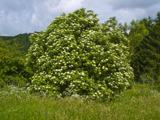 Elder2.9 mi
Explorer Tom An Elder tree almost got sold to a farmer for his horse, but he backed out when it refused to eat oats. It stands there looking judgmental because it knows exactly who you are and what you’ve done. Pop by and tell it it's looking well.
 Pollardstown Fen Nature ReserveNature reserve · 3.1 mi
Explorer Tom Pollardstown Fen is not the sort of place that shouts for attention. A boardwalk carries you above reeds and wet ground near Newbridge, while spring water does the quiet work that keeps this rare habitat alive. Stop for a minute and the birds start to take over the conversation; keep walking and you may miss the best part. A fen gets mineral-rich water from springs, unlike a rain-fed raised bog. Pollardstown is Ireland's largest remaining spring-fed fen, and the National Parks and Wildlife Service protects it as a nature reserve. That flow has kept a remarkable community of plants and small animals living here, with the landscape holding a record of environmental change since the last ice age. It is a wetland with a long memory, even if its most dramatic trick is making you look closer. The public track and boardwalk let visitors see the place without trampling the ground they came to admire. Birds use the open water and reeds; insects make a living among the plants. A bird hide offers a chance to sit still and let the wildlife come to you. Bring binoculars if you have them, but curiosity will do more work than expensive equipment. The fen lies about three kilometres from Newbridge, with a public entrance and parking. Discover Ireland asks visitors to stay on the walking track, supervise children and leave plants and animals alone. The ground beyond the boardwalk is soft and easily damaged, so keep to the route even when a bird seems to be posing just out of reach. Allow an hour or so, and let this quiet place set the pace.
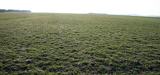 The CurraghEarthwork · 4.5 mi
Explorer Tom The Curragh is just a massive green carpet that rabbits think is a very expensive hotel lobby. It’s got more history than some countries, but none of the manners. Grand place for a sulk or a snog, your call.
 Castle RagCastle, tower house · 4.8 mi
Explorer Tom Castle Rag in Jigginstown, County Kildare does the tango when nobody is watching from the gatehouse. It’s tiny enough to fit inside your ego if you’re not careful. Grand place for a sulk or a snog, your call.
 Allen TowerDesigned landscape, folly · 5.3 mi
Explorer Tom Allen Tower stands on a cliff edge where the quarry ate half the hill, making it look like a very nervous giant about to tip over. Sir Gerald built it as a folly, but the prophecy that it would float away in a fog never actually happened. Go back in winter, it's a different animal.
 Hill of AllenMountain / peak · 5.3 mi
Explorer Tom The Hill of Allen has given its name to a great bog, hosted stories of Fionn mac Cumhaill, and still found room for a Victorian tower. I would be unbearable with even one of those achievements. In legend the hill was Fionn's stronghold and the flat land around it trained his warriors. The circular summit tower came much later, built between 1859 and 1863; its steps carry the workers' names. Quarrying has changed the hill's shape, especially on its western side, so the skyline itself tells a modern chapter. Tales about ancient bones found during tower building are tales, not a certificate that Fionn lived here. Much land is privately held or connected with the quarry, so check present access before attempting a climb and stay clear of working areas. View the hill from a lawful public spot first. Even from below, it makes a persuasive case for a longer story.
 IndicatedCastle, motte · 6.2 mi
Explorer Tom Castle in Ballyshannon Demesne is a conical mound with a tree on top, looking like a giant mushroom that gave up on fruit. It handles nosey neighbours by staying quiet. If it rains, blame me.
 Grand Canal WayVisitor information · 6.9 mi
Explorer Tom Grand Canal Way is full of secrets that only come out after three pints, like which bridge was built by a love-struck engineer who named it after his dog. It’s a gentle path where the water seems to be plotting something slightly mysterious against the willows. Stick around for the light changing, it's a show.
 Cupidstown HillMountain / peak · 12 mi
Explorer Tom Cupidstown Hill is claimed by a local who says he invented it while walking his dog, which is bold but I respect the nerve. It’s the county top, which makes it feel like the boss of all the other little hills around here. Toast it with a cup of tea and move on to the next one.
More archaeology and monuments in County Kildare · All of County Kildare

What do you know about this place?Tap to add a comment or ask a question