
What is recorded here
On a low rise with good views to the NE, SE and S but limited elsewhere due to higher ground. On the 1st (1839) ed. OS 6-inch map the graveyard is shown by a dashed line which indicates that it had no fixed enclosing element. By the revised 1900 ed. the graveyard is indicated as a being slightly larger sub-square area…
Read the whole record
From the National Monuments Service (Archaeological Survey of Ireland) record KK018-072002
Places near here
Photo credits
- Maker not stated on source page, br.pinterest.com
- Maker not stated on source page, www.dreamstime.com
- National Inventory of Architectural Heritage
- kevin higgins, Wikimedia Commons · CC BY-SA 2.0
- Maker not stated on source page, ar.pinterest.com
- Maker not stated on source page, www.tripadvisor.ca
- A.-K. D., Wikimedia Commons · CC BY-SA 4.0
- Maker not stated on source page, www.mysteriousbritain.co.uk
- Maker not stated on source page, www.youtube.com
- Maker not stated on source page, www.interment.net
- kevin higgins, Geograph · CC BY-SA 2.0
 Church in BallycallanChurch · 4 yd
Explorer Tom Church in Ballycallan would tell you its secrets if it had a few pints first. It’s invisible at ground level, so you…
 St. Brigid's GraveyardCemetery · 7 yd
Explorer Tom St. Brigid's Graveyard is constantly competing with the big name down the road, insisting its stones are far more…
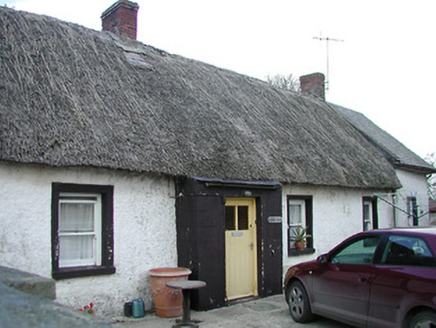 The ThatchHouse · 281 yd
Explorer Tom The Thatch cottage in Balleven would order double chips and onion rings if it could pay. Its roof is made of grass and…
 Saint Brigid's Catholic ChurchChurch/chapel · 1023 yd
Explorer Tom Saint Brigid's Catholic Church in Gorteenteen loves the fiddler who played there all night last Sunday. He never…
 Inscribed stone in BallycallanInscribed stone · 1192 yd
Explorer Tom Inscribed stone in Ballycallan is stuck in a wall, complaining about its lack of personal space. I bet it would order a…
 Holy well in ToberbreediaHoly well · 1225 yd
Explorer Tom Holy well in Toberbreedia would post a selfie of its oak tree with the caption 'vibes only.' It used to get pilgrims…
 Saint Brigid's WellSpring · 1408 yd
Explorer Tom Saint Brigid's Well in Toberbreedia is surrounded by rabbits who seem to think it’s their personal spa day destination…
 Church in DoorathChurch · 1561 yd
Explorer Tom Church in Doorath would post a selfie of its empty plot and caption it 'Living my best life.' There isn't even a single…
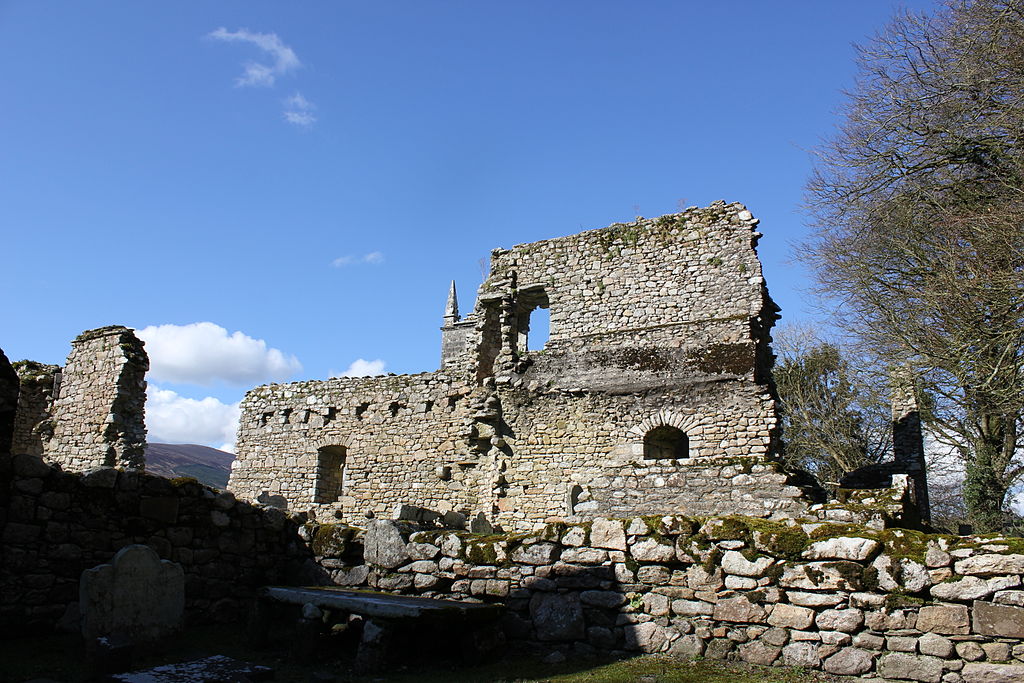 Holy well in RossdamaHoly well · 1731 yd
Explorer Tom Holy well in Rossdama is feuding with the next village over a very daft boundary line involving an oak tree. The…
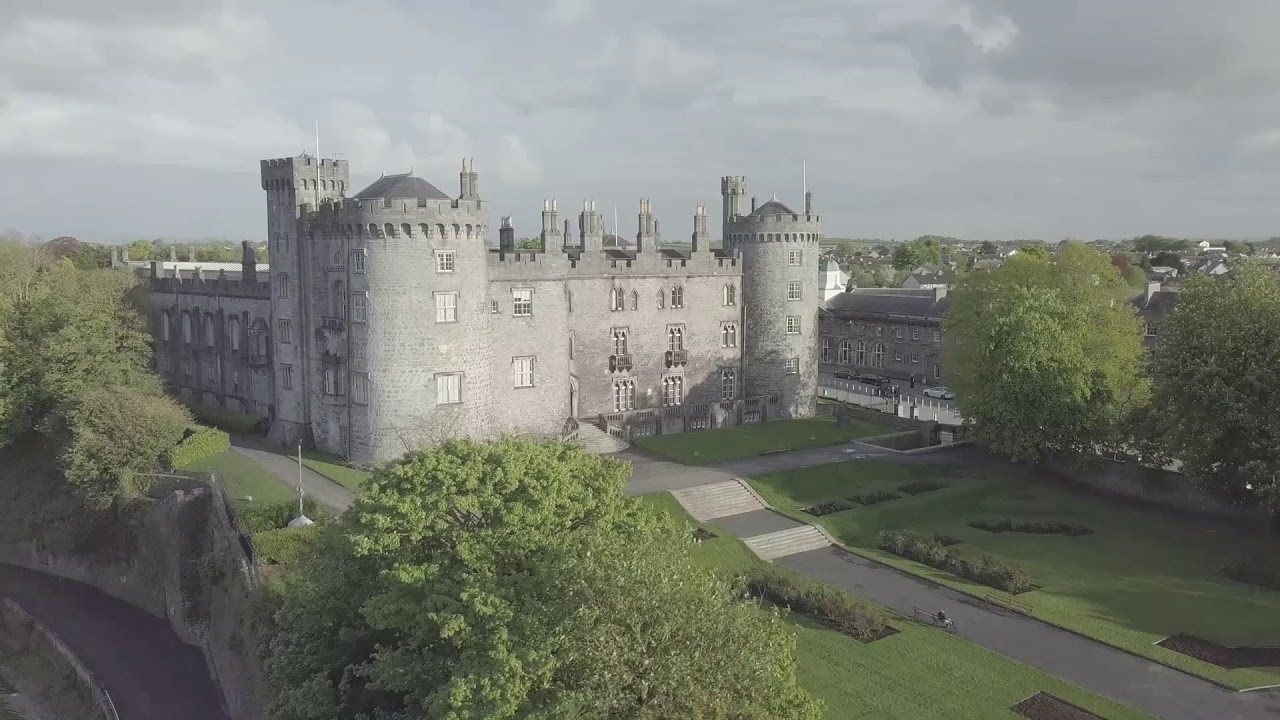 CastleCastle, unclassified · 1.1 mi
Explorer Tom Castle in Ballyfrunk is being picked on by the wind because it has no real roof left. Robert Forstall owned it, but the…
 Ballykeeffe CemeteryCemetery · 1.2 mi
Explorer Tom Ballykeeffe Cemetery in County Kilkenny is in the middle of a massive feud between two families over who actually owns…
 Millennium WoodWood · 1.8 mi
Explorer Tom Millennium Wood in County Kilkenny was promised world peace by 2001 but only delivered mild dampness instead. The trees…
More archaeology and monuments in County Kilkenny · All of County Kilkenny

What do you know about this place?Tap to add a comment or ask a question