Places near here
Photo credits
- Richard Webb, Geograph · CC BY-SA 2.0
- National Inventory of Architectural Heritage
- Kenneth Allen, Geograph · CC BY-SA 2.0
- louise price, Wikimedia Commons · CC BY-SA 2.0
- Kenneth Allen, Wikimedia Commons · CC BY-SA 2.0
- Ronnie Nijboer, Wikimedia Commons · CC0
- louise price, Geograph · CC BY-SA 2.0
- Rossographer, Geograph · CC BY-SA 2.0
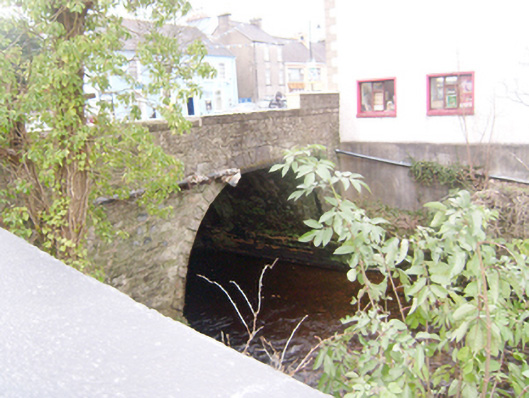
 Bank of IrelandBank/financial institution · 22 yd
Explorer Tom Bank of Ireland in Gortnamucklagh is still counting its coins. Built around 1880, it’s got some fancy stonework that makes me feel like I need a tie and a top hat just to walk past.
 Brennan'sHouse · 38 yd
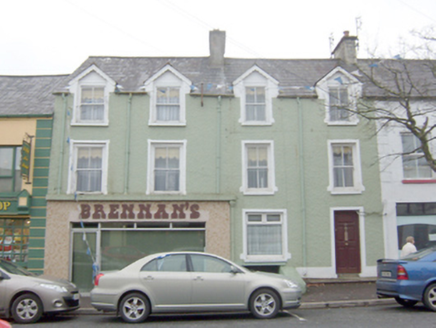
Explorer Tom Brennan's is a handsome townhouse with a shopfront that’s seen better days but still swings its wavy bargeboards with confidence. The sliding sash windows up top are doing their best to stay dignified. Spot the oldest stone and give it a name, like Patrick or something.
 Highlands HotelHotel · 157 yd
Explorer Tom Highlands Hotel in Glenties sounds like it’s on top of a mountain with no lift to help you. If you see a view, describe it to me, but don’t mention the cold draft. Find a local and ask them the real story, then come back and tell me.
 Kennedy's Bar and RestaurantRestaurant · 201 yd
Explorer Tom Kennedy's Bar and Restaurant is definitely hiding a secret menu involving only cabbage and regret. I bet the barman knows more about ghosts than he does about cocktails, so keep your ears peeled for whispers while you eat.
 St. Connell's Museum and Heritage CentreMuseum · 236 yd
Explorer Tom St. Connell's Museum and Heritage Centre lets me go from an old courtroom to the cells below, then into stories of the workhouse and Donegal railways. That is a lot of Glenties history packed into one building. I would leave the cells to the displays and keep my own visit on the friendly side of the door.
 Inishkeel Graveyard near GlentiesGraveyard · 1.0 mi
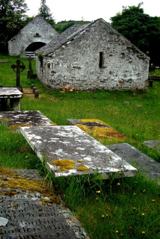
Explorer Tom Inishkeel Graveyard near Glenties was rectangular in the older survey, but its south side sat on part of a roughly circular rise. Some of that rise lay beyond the west wall, about fifty metres across. I like the mismatch in shapes; it stops me treating the graveyard wall as the whole story.
 Burial GroundGraveyard · 1.9 mi
Explorer Tom Burial Ground in Kilrean Upper is stacked with layers of history that refuse to stay quiet. You’ve got 12th-century sandstone window heads and a cross-slab with swastika patterns sitting right next to modern graves. It’s a bit of a chaotic archaeological buffet, so keep your eyes peeled for the odd carvings.
 Letterilly Standing StonePublicly named standing stone · 2.6 mi
Explorer Tom Letterilly Standing Stone is standing there all by itself, probably wondering why it didn't get invited to the more exciting stone circles nearby. It’s a lovely bit of quiet company if you need a moment to think about how old the ground really is. Just make sure you ask permission before you start having a chat with it.
 Wych Elm3.1 mi
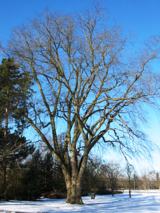
Explorer Tom Another Wych Elm in County Donegal is having an identity crisis because all the others look the same. It's very sensitive about its bark texture. Permission slips are mandatory here. Give it a little pat on the head.
 Binn BhánMountain / peak · 4.8 mi
Explorer Tom Binn Bhán is recorded as a mountain / peak in County Donegal. It is hilarious that the ground goes from boggy to suddenly hard right at the top, like nature hit the brakes. I bet my boots would be utterly confused.
 CarnaweenMountain / peak · 4.8 mi
Explorer Tom Carnaween has Diarmuid Ó Duibhne hiding in its name, at least in the old local telling. There was even a first-Sunday-in-June climb in the record. I would ask the hero whether he liked hills this much, but I would check current access before trying to follow him.
 Bonny Glen Wood - Bonny Glen walkOfficial walking route · 5.3 mi
Explorer Tom Bonny Glen Wood - Bonny Glen walk is under a kilometer but burns hot with history. Find a local and ask them the real story about the 2011 fire, then come back and tell me.
More historic places in County Donegal · All of County Donegal

What do you know about this place?Tap to add a comment or ask a question