What is recorded here
From the National Monuments Service (Archaeological Survey of Ireland) record DU014-066005
The monument record does not grant public access. Check the route and ask the landowner before entering private land.
- What survives
- Recorded monument
Places near here
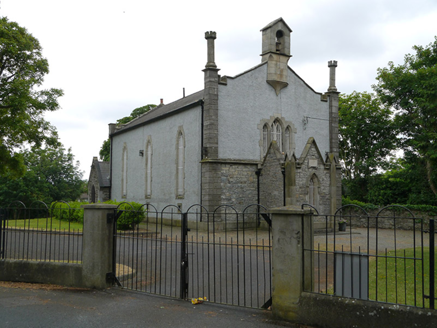 St. Canice's Church of IrelandChurch/chapel · 188 yd
 St Patricks WellHoly well · 207 yd
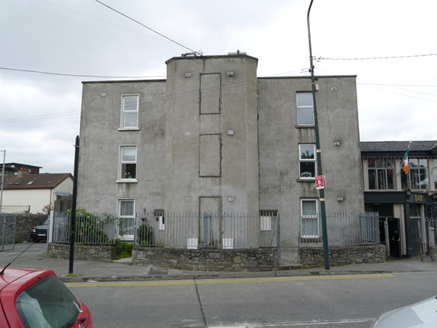 The ElmsHouse · 254 ydTown defences in Unknown TownlandTown defences · 272 yd
 Dunsink ObservatoryHeritage attraction · 1.4 mi
 Glasnevin CemeteryHistoric cemetery · 1.5 mi
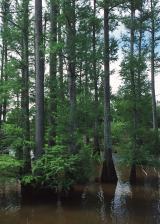 Baldcypress1.5 mi
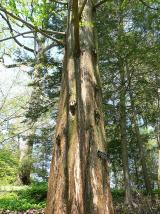 Dawn Redwood1.6 mi
 Phoenix Park Visitor CentreVisitor information · 1.8 mi
 Ashtown CastleCastle · 1.8 mi
 BallymunVisitor information · 1.9 mi
 Irish Volunteers memorialMonument · 2.3 mi
Pictures: National Inventory of Architectural Heritage; Smirkybec, Wikimedia Commons · CC BY-SA 4.0; JP, Wikimedia Commons · CC BY-SA 2.0; William Murphy from Dublin, Ireland, Wikimedia Commons · CC BY-SA 2.0; Maker named on the Wikimedia Commons picture page · Public domain; Maker named on the Wikimedia Commons picture page · CC BY-SA 3.0; N Chadwick, Geograph · CC BY-SA 2.0; Frank Winkelmann, Wikimedia Commons · CC BY 3.0; Peter Gerken, Geograph · CC BY-SA 2.0; Eric Jones, Geograph · CC BY-SA 2.0
More archaeology and monuments in County Dublin · All of County Dublin
What do you know about this place?