
What is recorded here
Detached three-bay two-storey former railway station, built 1856, with single-storey box bay window to south elevation and a single-storey lean-to extension enclosed within walled yard to the rear (east). Later is use as a private house and now unoccupied. Hipped natural slate roof with overhanging eaves, clay ridge…
Read the whole record
From the Buildings of Ireland (National Inventory of Architectural Heritage) record 15400218
Places near here
Photo credits
- Maker not stated on source page, theirishaesthete.com
- Maker not stated on source page, letsgowiththechildren.co.uk
- National Inventory of Architectural Heritage
- Maker not stated on source page, commons.wikimedia.org
- Maker not stated on source page, id.pinterest.com
- Charles T. G. Clarke, Wikimedia Commons · CC BY-SA 4.0
- Maker not stated on source page, www.dreamstime.com
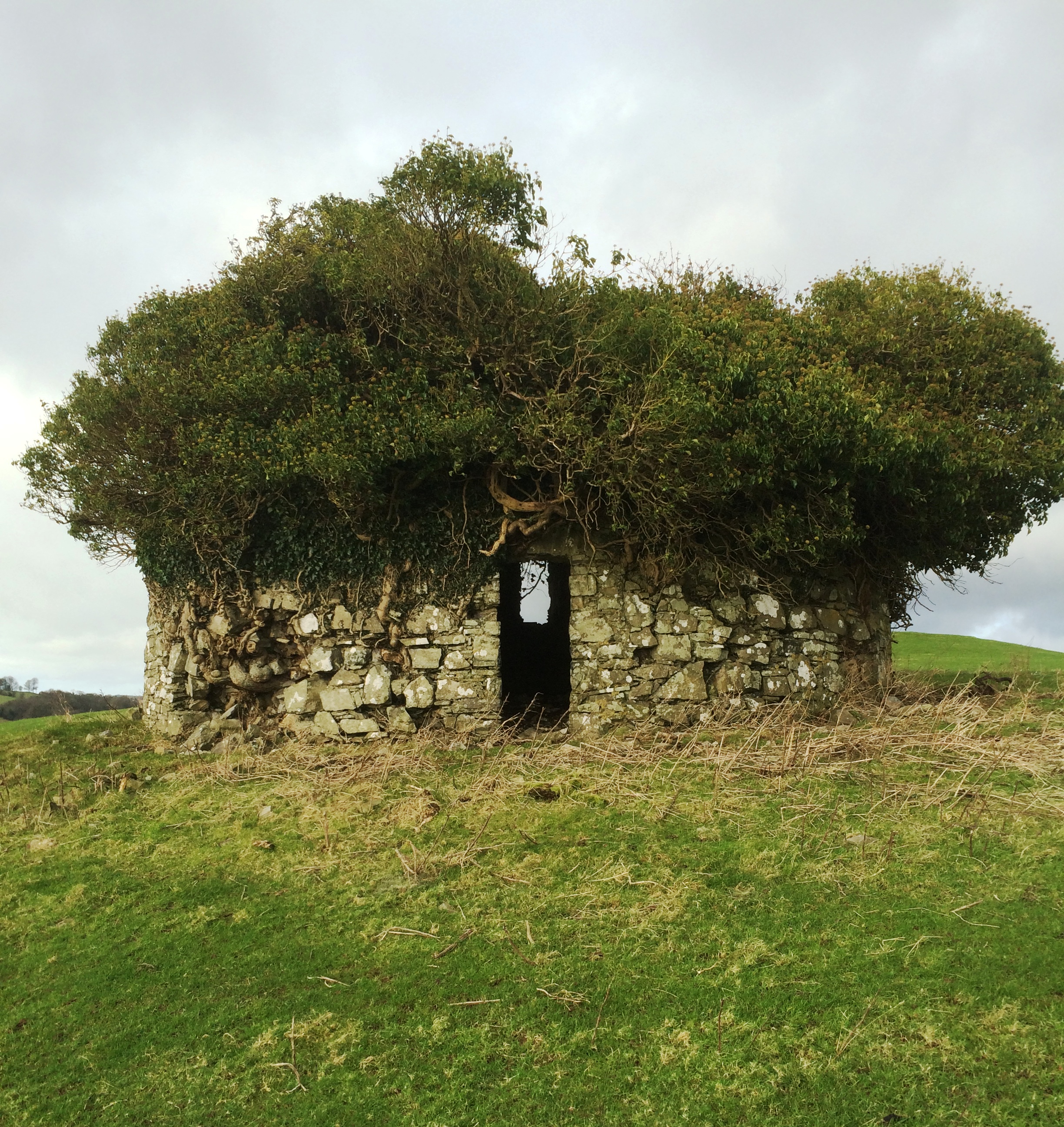 Fairy fort / earthen ringfort in LisduffFairy fort / earthen ringfort · 201 yd
Explorer Tom Lisduff’s ringfort has strict rules for visitors: no mud on the banks and please stop asking if it’s haunted, it’s just…
 Fairy fort / earthen ringfort in AthenboyFairy fort / earthen ringfort · 862 yd
Explorer Tom This Athenboy fort is huge and sits on wet land, which explains its moody attitude. It would order extra crispy chips…
 water pump1448 yd
Explorer Tom Water pump in Clonmore is missing its top hat, which makes it look a bit disheveled and confused about where it…
 St. Fintan's CemeteryCemetery · 1497 yd
Explorer Tom St. Fintan's Cemetery is locked in a bitter feud with the rain, claiming every drop is a personal insult to its…
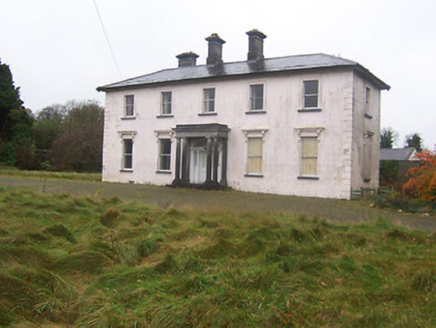 CoolamberCountry house · 1505 yd
Explorer Tom Coolamber in Westmeath was built for a matchmaker who probably knew more about hearts than stone masons did. The Doric…
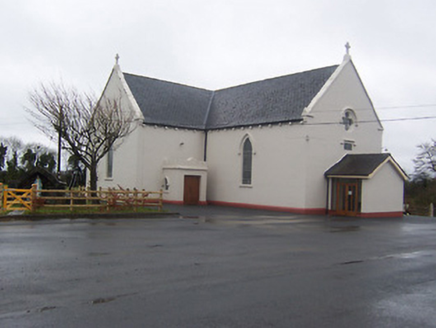 Saint Mary's Catholic ChurchChurch/chapel · 1643 yd
Explorer Tom Saint Mary's Catholic Church in Boyanacalry ended up here because the builder got lost on the way to the next village…
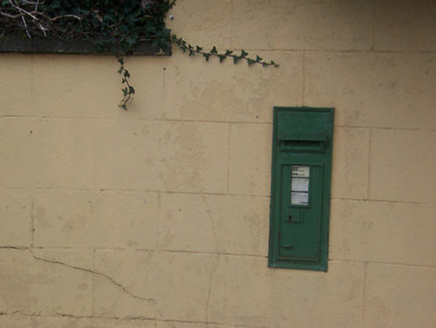 post box1675 yd
Explorer Tom Post box in Boyanacalry must have drunk about forty cups of tea just to cast that iron properly. It’s been standing…
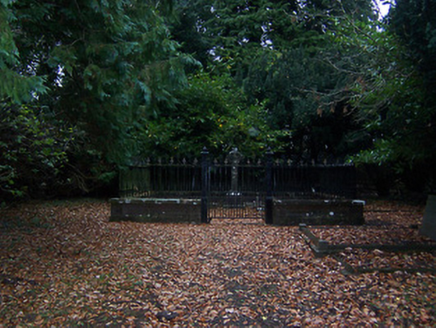 graveyard/cemetery1.0 mi
Explorer Tom The graveyard in Coolamber is absolutely sick of people asking if they can visit, as if it’s a shopping mall with free…
 worker's house1.1 mi
Explorer Tom Worker's house in Correaly, County Westmeath is a pair of modest homes that locals swear will haunt you if you don’t…
 CastleCastle, ringwork · 1.2 mi
Explorer Tom Coolamber Castle is a ringwork that thinks its name means ‘cool amber,’ which is honestly not far off the truth if you…
 Coolamber CastleHouse, fortified house · 1.2 mi
Explorer Tom Coolamber Castle House is where Saint Patrick would have said, ‘You’ve got a bit of an ego for a pile of rocks.’…
 Graveyard in KilmoreGraveyard · 1.4 mi
Explorer Tom Graveyard in Kilmore is hiding under a modern farmyard like it’s playing the ultimate game of hide-and-seek with…
More historic places in County Westmeath · All of County Westmeath

What do you know about this place?Tap to add a comment or ask a question