What is recorded here
Back of the Hill is an early medieval settlement where high-status people lived, worked metal and wood, and kept small animals inside a broad earth bank. Liam de Paor excavated the site in 1967, uncovering quality copper alloy objects and several possible structures in its northern half. The southern half may have held pens, while the whole oval remained a place of daily making rather than distant legend.
At the SE end of a low NE-SW ridge in pasture. A report in 1976 (SMR file) indicated that this raised oval area (c. 60m N-S; c. 50m E-W) was defined by a low bank of earth and stone with an external fosse. It is defined by a scarp (H 0.3-1.2m), which has been altered slightly and incorporated into a field boundary from SW-W-NW. The original entrance is not recognisable. Archaeological excavations were undertaken at the site during the summer of 1967 by Liam de Paor. An assessment of the excavation record (Coleman 2014) noted that ‘The artefacts, structures and industrial evidence recovered during the excavation of Back of the Hill suggest that the enclosure is an early medieval settlement site likely to have been inhabited by a high status group. The excavation produced a number of copper alloy objects of high quality, notably a zoomorphic penannular brooch, a buckle and a copper alloy toilet implement. . . The northern half of the site produced key evidence of occupation, with up to four possible structures identified. . . . The features identified during the excavation and the finds that were recovered determine that the activity earned out at Back of the Hill included food production, textile working, metalworking and woodworking. Human occupation was restricted to the northern half of the site, with the southern half likely to have been used for the enclosing of small animals. The excavation revealed a number of phases of activity at the site, with the primary phase of occupation dating to the early medieval period. Evidence of later activity at the site, such as modem cultivation and drainage was also identified.’ (ibid., 60).
Compiled by: Patrick F. O'Donovan
Updated by: Paul Walsh
Revised date of upload: 21 January 2015
The monument record does not grant public access. Check the route and ask the landowner before entering private land.
- What survives
- Recorded monument
Places near here
 Burial in Back OF THE HillBurial · 1 yd
 Pedestal of CrossCross · 391 yd
 Ardagh DemesneFort · 480 yd
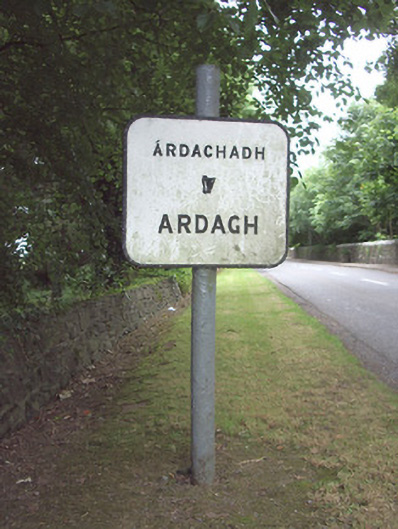 sign postsign post · 743 yd
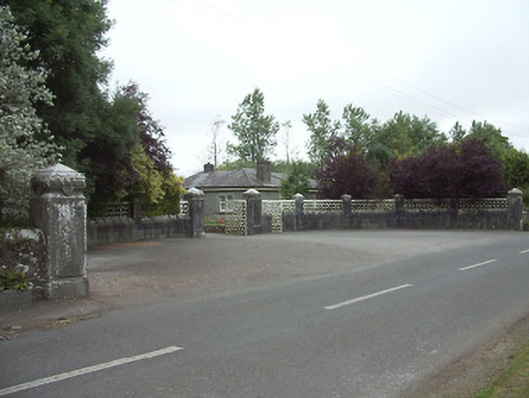 Ardagh Housegates/railings/walls · 957 yd
 Druming Ho. (in ruins)Castle, unclassified · 1.5 mi
 Oldtown CopseWood · 1.7 mi
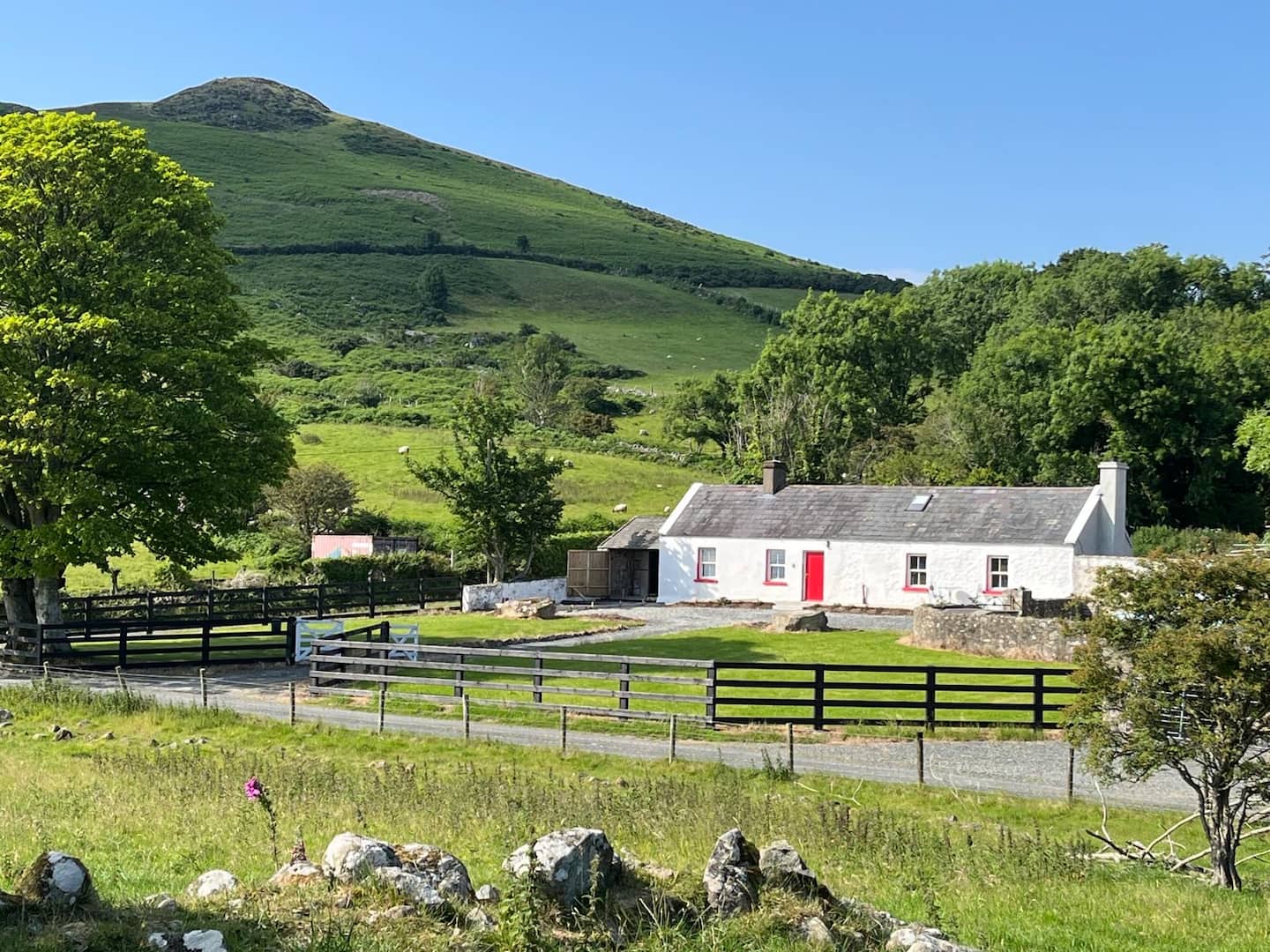 Oldtown DemesneForest · 1.8 mi
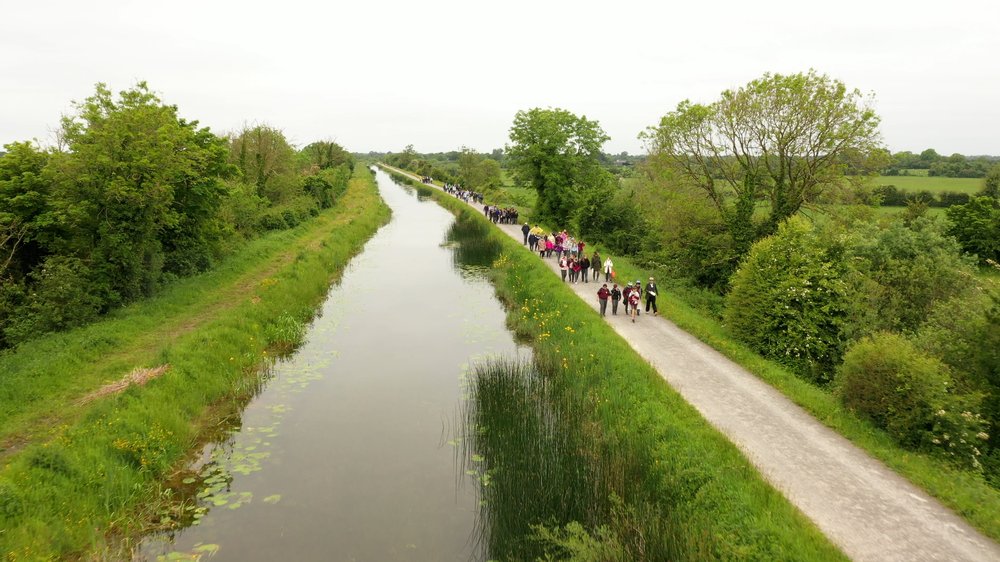 National Famine WayWalking route · 3.6 mi
 Graveyard in Curry (ardagh By., Coolamber Ed)Graveyard · 6.1 mi
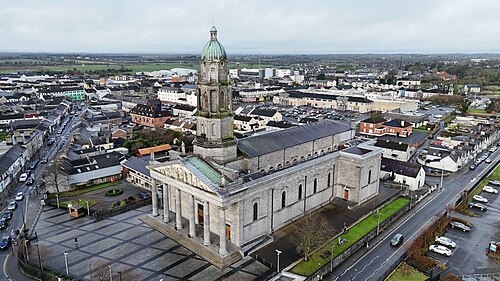 Saint Mel's CathedralCathedral · 6.3 mi
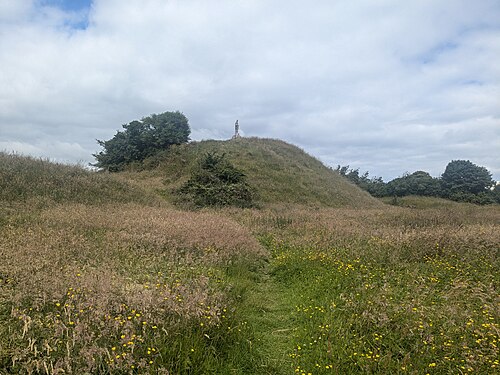 Granard MotteMotte-and-bailey castle remains · 10 mi