
Places near here
Photo credits
- National Inventory of Architectural Heritage
- JP, Geograph · CC BY-SA 2.0
- Laurel Lodged, Wikimedia Commons · CC BY-SA 4.0
- Pier Paolo Lisarelli, Wikimedia Commons · CC BY-SA 4.0
 sports ground51 yd
Explorer Tom Sports ground in Palmerstown Lower thinks it can outdo the big names, but it’s really just a mill community’s leftover playground having a moment of pure, grassy confidence. It’s not trying to be famous; it’s just enjoying the fact that nobody is expecting a sports venue to be this visually lovely.
 Palmerstown MillMill (water) · 65 yd
Explorer Tom Palmerstown Mill in Palmerstown Lower is posing as an engineering workshop, but it’s really just a four-storey oil mill playing dress-up since 1825. Take a snap of those granite sills for me if you can find them!
 Palmerstown Mustard MillMill (water) · 72 yd
Explorer Tom Palmerstown Mustard Mill has a secret talent for making people think about lunch whenever they walk past Mill Lane. It’s an imposing building that looks like it could crush a giant seed in half if you provoked it, which is exactly what mustard does to your sinuses. Smell the imaginary spice from a safe distance.
Graveyard in Palmerstown LowerGraveyard · 187 ydExplorer Tom Graveyard in Palmerstown Lower is rectangular with memorials dating back to 1704. In 1955, human remains were found in a field nearby that are probably associated with it, so keep an eye out for any disturbed earth if you’re feeling adventurous and don’t mind a bit of mystery.
IndicatedBarrow, ring-barrow · 311 ydExplorer Tom Barrow in Palmerstown Lower sits on a hillock overlooking the Liffey Valley, and I have a feeling it has a secret talent for growing trees faster than anyone else. It’s completely overgrown now, so it might just be a tree-ring pretending to be ancient history while you squint at it from afar. The interior is domed and hidden, which makes it perfect for hiding from people who ask too many questions
Furry GlenWood · 599 ydExplorer Tom Furry Glen in County Dublin is sick of being asked why it’s called Furry, even though nobody knows the answer. The trees are just standing there, looking slightly embarrassed about the name while you try to figure it out. Find the date carved somewhere and feel clever for a moment.
National Famine WayWalking route · 1212 ydExplorer Tom National Famine Way in County Dublin has hidden messages carved into its stones if you look hard enough, but they're mostly just complaints about the weather back then. It remembers every single hungry stomach that walked this path while trying to find something better. Bring your own legend, I've run out.
 The Royal Canal WayWalking route · 1222 yd
Explorer Tom The Royal Canal Way gets picked on by the wind because it’s too straight and makes the breeze feel like a loser for not curving. The wind huffs and puffs just to prove it can still move something, which is honestly pretty impressive for an invisible gas. Perfect spot to practise your best tour-guide voice.
Graveyard in Unknown TownlandGraveyard · 1447 ydExplorer Tom Graveyard in Dublin: Sitting under St. Lawrence, this old patch of dirt has been hiding medieval secrets while the church builds new walls on top. It’s like finding a skeleton in your sock drawer, except the sock is a century-old ditch. Best seen with a hangover and a sausage roll.
 Castleknock CastleCastle · 1521 yd
Explorer Tom Castleknock Castle in County Dublin has a New Year's resolution to stop leaning so much to the left. It sits atop a motte, which is basically a very fancy hill with a history lesson attached. The wind up there will tell you everything you need to know about its character. Toast it with a cup of tea and move on to the next.
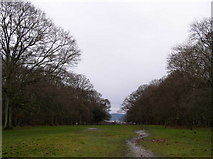 Oldtown WoodWood · 1544 yd
Explorer Tom Oldtown Wood claims its unlikely celebrity friend is actually a very famous local pigeon who knows all the secrets of the Dublin Mountains beyond the tree line. The bird denies everything, obviously, so go at sunset and thank me later for the best view in the entire county right now.
 Knockmaree DolmenArchaeological place · 1621 yd
Explorer Tom Knockmaree is easy to miss in the vast Phoenix Park, which is cheeky of a burial place older than most of Dublin. Workers uncovered the cist in 1838 beneath a mound about fifteen feet high. Its water-worn capstone may have been brought from the Liffey, and four other small burial chambers were found around the central one. The tomb dates to roughly 3000 to 2500 BC. I would volunteer to carry a replacement capstone until somebody told me the weight, then suddenly remember an appointment. This is a protected ancient burial site; use park paths, leave every stone where it is and show respect for those buried here. Pause at the low ridge and imagine the mound at its full height. The park was old long before anybody laid out its roads.
More historic places in County Dublin · All of County Dublin

What do you know about this place?Tap to add a comment or ask a question