What is recorded here
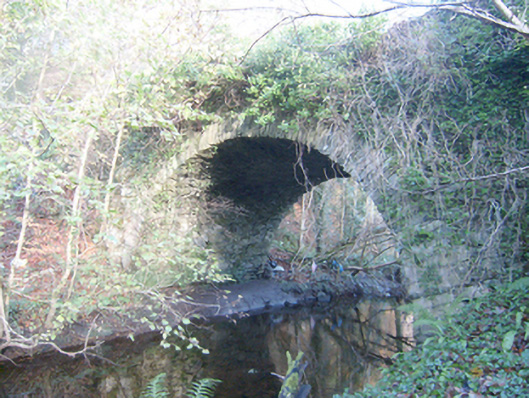
Single-arched bridge carrying road over the Duntally River, built c. 1755. Round-headed arch with rubble stone voussoirs; rubble stone construction to arch barrel. Rubble stone construction to spandrels and abutments. Side elevations (north-east and south-west) now largely overgrown. Rubble stone construction to parapets with rubble stone soldier coping over. Cement rendered repairs to parapet in places. Tarmacadam deck with grass verges. Located in the rural countryside to the south-east of Creeslough.
This attractive single-arch bridge retains its early form and character, and is a feature of some rustic appeal in the rural landscape to the south-east of Creeslough. It is robustly-constructed in local rubble stone masonry, and its continued survival and use stands as testament to the quality of its original construction, and of the skill of the masons involved. The tall wide single-arch is a feature of some technical merit that helps to elevate it above many of its contemporaries in County Donegal. It was probably originally constructed during the mid-eighteenth century, a period that saw a great deal of road and bridge-building in Ireland, particularly by the Grand Juries (the forerunners of the County Councils). It formerly carried the main Dunfanaghy to Letterkenny and to Lifford. It was possibly built around the same time as nearby Lackagh Bridge (see 40902609), which was built in 1755-6 by William Wray of Ards House (demolished) to carry the same route way. This unassuming rustic bridge is an addition to both the built heritage of the local area and to the extensive transport heritage of County Donegal.
This does not grant access. Most recorded buildings are privately owned; view them only from public ground unless the owner allows entry.
Places near here
 Duntally Wood Nature ReserveNature reserve · 468 yd
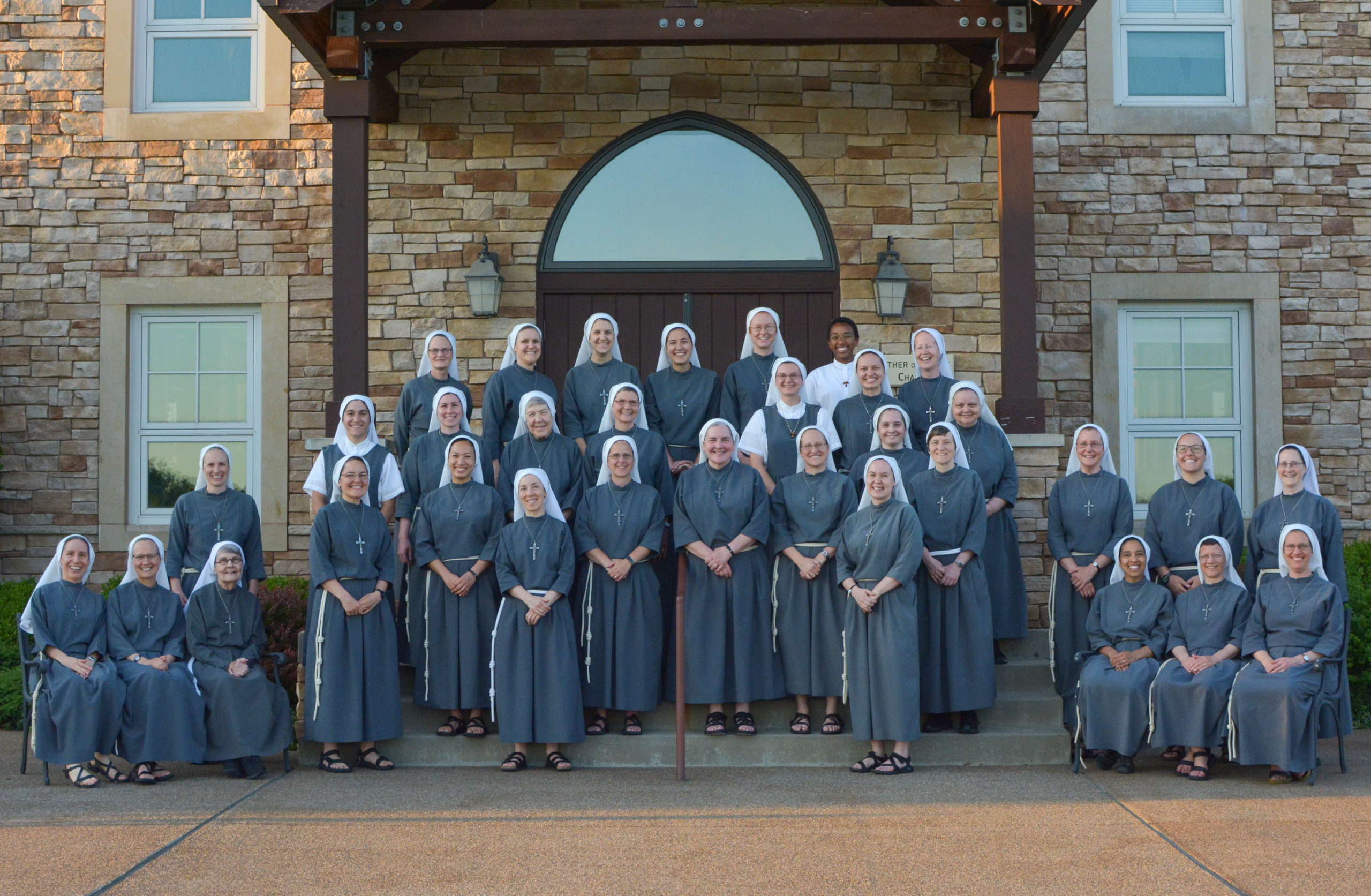 Religious houseReligious house, Franciscan Third Order Regular · 804 yd
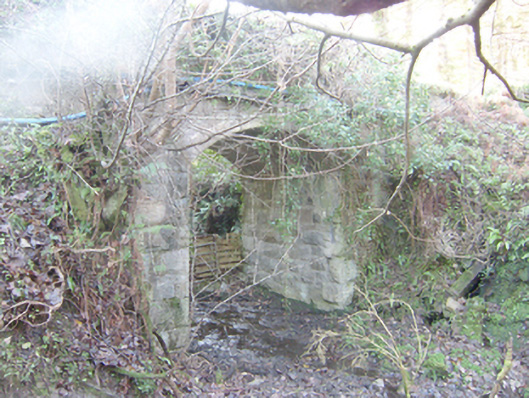 bridgebridge · 925 yd
 Turras ColumbkilleHoly well · 1449 yd
 Former Creeslough EnclosureEnclosure · 1587 yd
 Doe CastleCastle, tower house · 1.6 mi
 Ards Forest ParkForest recreation place · 2.5 mi
 Ards Friary Coastal LoopOfficial walking route · 2.9 mi
 The TunnelHeritage attraction · 2.9 mi
 Clonmass IslandIslet · 3.8 mi
 Àn Trá MorBeach / strand · 3.9 mi
 MuckishMountain / peak · 4.0 mi
Other information
Photo: National Inventory of Architectural Heritage · Website use allowed for educational or private purposes with source credit