What is recorded here
Duncarbry Castle is a grass-covered platform on a prominent rise in County Leitrim, built by the McClancys to guard the Drowse River and the narrow gap between Lough Melvin and Donegal Bay. Cahir Mac Flannchadha, heir to William McClancy and the chieftainship of Dartry, died there in 1538, leaving a tower house that once rose above a bawn before collapsing into a low mound. The stone still holds the shape of a room, though grass has swallowed every wall and doorway, forcing imagination to complete what time erased.
On top of a prominent rise in an undulating landscape and in a position to guard the ESE-WNW Drowse River, c. 1-1.5km to the E, and the gap (L c. 5.5km) between Lough Melvin and Donegal Bay. This is a castle of the McClancys, probably a tower house and bawn, where Cahir Mac Flannchadha, heir to William McClancy and the chieftainship of Dartry, died in 1538 (AFM, vol. 5, 1449). A gable with an arched doorway survived into the 19th century (Lewis 1837, 2, 537). It is now a rectangular grass-covered platform (dims 28m E-W; 17m N-S) defined by a collapsed wall (Wth 2m; H 0.45m generally to 2.25m at S) around the perimeter. The remains of a rectangular structure form a mound (dims 5.9m N-S; 9.5m E-W; H 1.95m), probably the tower house, at the NE angle. No wall-facing or architectural features are visible. (McDermott 2019, 106)
The above description is derived from 'The Archaeological Inventory of County Leitrim' compiled by Michael J. Moore (Dublin: Stationery Office, 2003). In certain instances the entries have been revised and updated in the light of recent research.
Date of upload: 23 September 2008
Duncarbry Castle was built by the McCla family, likely in the late medieval period, to control strategic river and coastal routes in the region. It is remembered for its commanding position overlooking key natural passes and waterways, making it an important defensive and administrative site in early modern Ireland.
The monument record does not grant public access. Check the route and ask the landowner before entering private land.
- What survives
- Recorded monument
Places near here
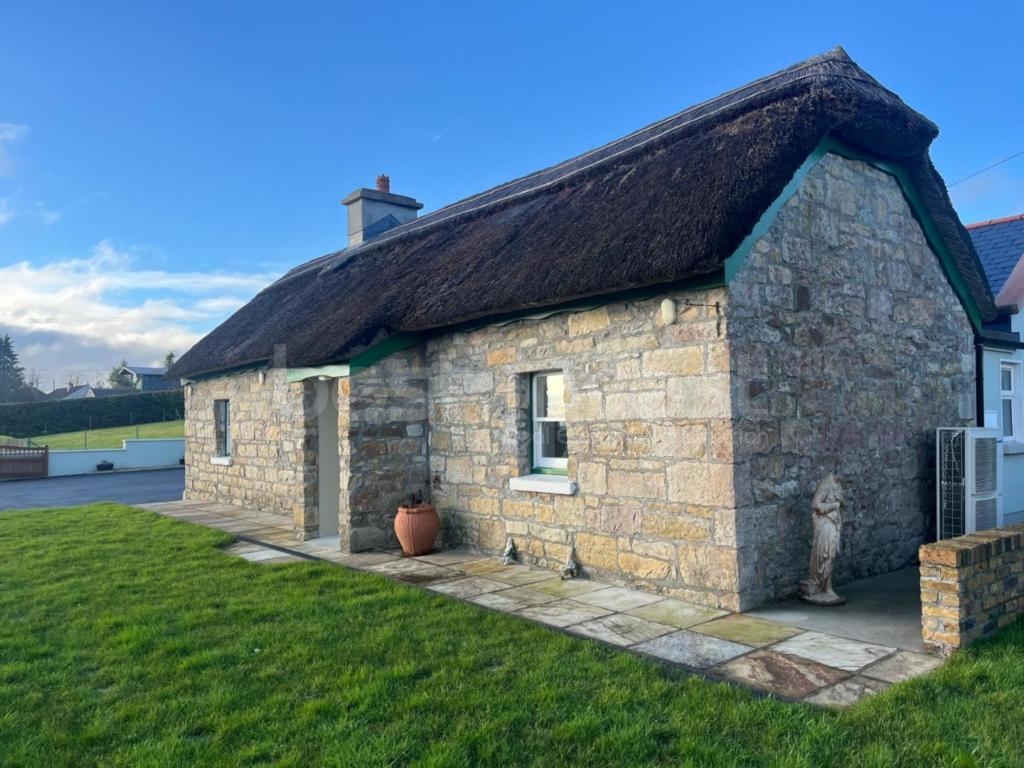 Bawn in DuncarbryBawn · 10 yd
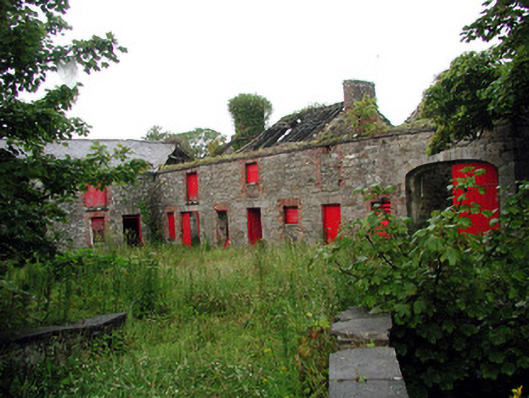 Lodgestables · 87 yd
 Market CrossCross, High cross · 328 yd
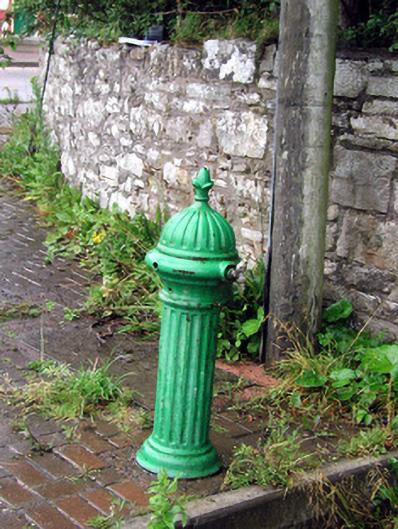 water pumpwater pump · 362 yd
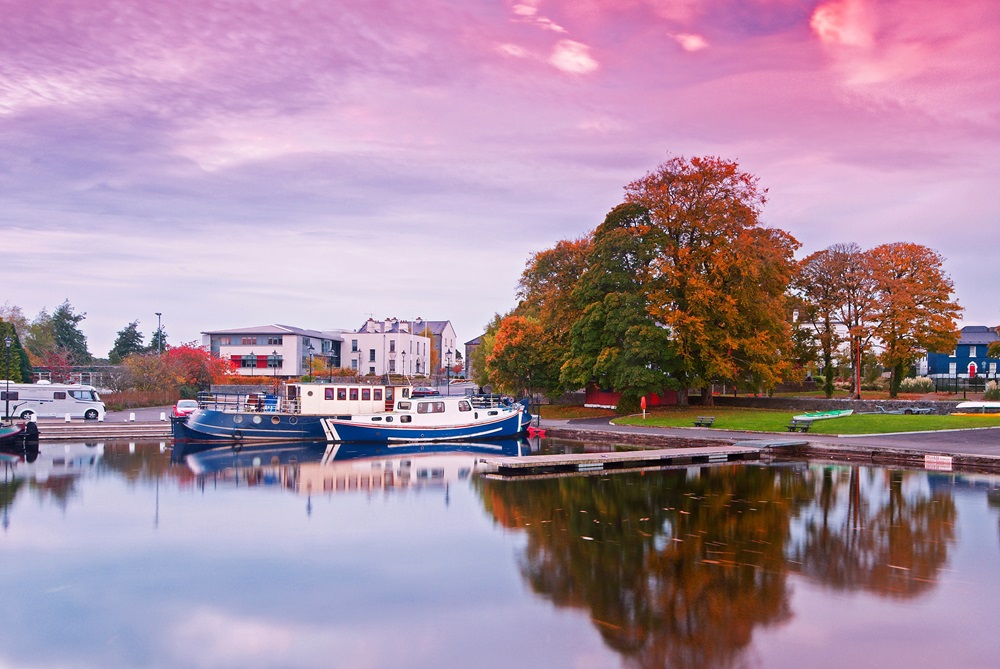 IndicatedFairy fort / stone ringfort · 527 yd
 Bundrowes Castle (Site of)Castle, unclassified · 912 yd
 Giant's GraveArchaeological place · 1488 yd
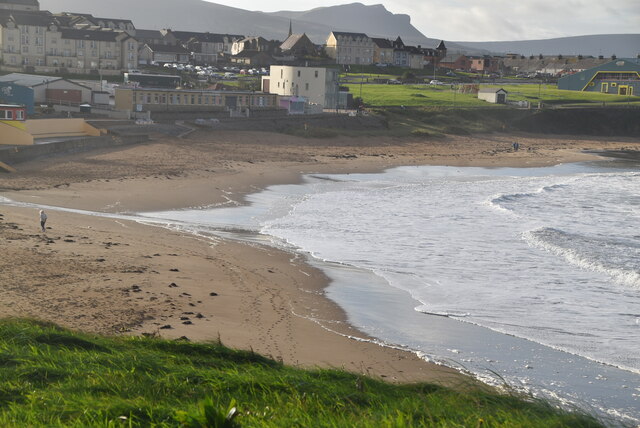 BundoranOfficial bathing water · 2.2 mi
 Wishing ChairHeritage attraction · 2.7 mi
 Fairy BrigesHeritage attraction · 2.8 mi
 Cliffs by BundoranPublicly named cliff or headland · 3.0 mi
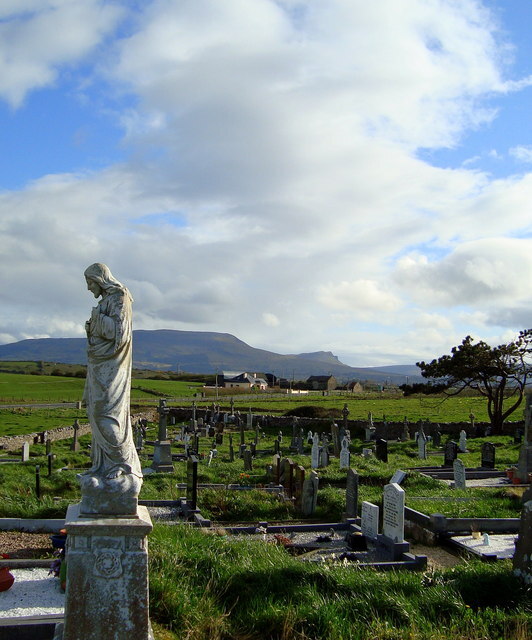 Finner Old GraveyardGraveyard · 3.2 mi