What is recorded here
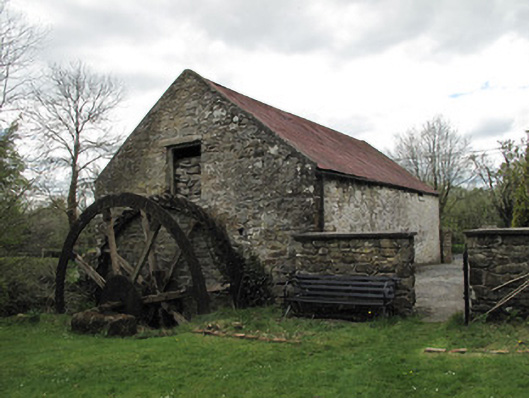
Drummans Mill had a waterwheel, a grinding stone and a slope to help get the oats inside. Then shops started selling oatmeal, and a paper bag took the whole place's job.
Detached multiple-bay two-storey former corn mill, built c.1800, having water-wheel to east elevation, and built into slight incline. Pitched corrugated-iron roof with render coping and replacement rainwater goods. Rubble sandstone walls, rendered in places. Outline of pedimented porch visible to front (south) elevation, with outline of blocked square-headed door opening. Square-headed ventilation slots under roof line to front and rear elevation. Square-headed window openings with timber pivoted windows to first floor front having some red bricks to surround. Square-headed door opening to front having timber lintel and double-leaf timber battened door. Square-headed door opening to rear with timber lintel and single-leaf timber battened door. Cast-iron water-wheel having cast-iron axle and timber spokes set within wheel-pit abutting east of building. Mill race visible to north. Grinding stone from mill to grounds. Two-storey corn drying kiln, adjoining two-storey outbuilding, to south-east of mill. Pitched slate roof having red brick chimneystack. Coursed rubble stone walls with squared stone quoins and square-headed ventilation openings to front (north-west) elevation. Square-headed window opening to south-west elevation at upper level having stone lintel and timber fittings. Gauged-brick segmental-headed opening to front with squared stone surrounds. Raised platform to interior behind rubble stone wall. Remains of red brick vaulting below perforated iron drying floor, supported on lengths of railway track.
This mill building serves as a reminder of the industrial and largely self-sufficient past of this area, highlighting the importance of the food processing industries in Ireland throughout the eighteenth and nineteenth centuries. Predominantly used for grinding oats, it passed out of use in the mid-twentieth century with the increased availability of oatmeal in shops. The mill wheel is retained, adding technical interest to the site which is further enhanced by the grinding stone remaining to the grounds. The mill, which was built into a slight slope for ease of loading, forms part of an associated group with the adjacent kiln building, which was used for drying grain prior to processing. Both structures are well-proportioned and use locally available materials in keeping with their rural context.
From the Buildings of Ireland (National Inventory of Architectural Heritage) record 41400803
This does not grant access. Most recorded buildings are privately owned; view them only from public ground unless the owner allows entry.
Places near here
Photo credits
- National Inventory of Architectural Heritage
- Jonathan Billinger, Wikimedia Commons · CC BY-SA 2.5
- Kenneth Allen, Geograph · CC BY-SA 2.0
- abdallahh from Montréal, Canada, Wikimedia Commons · CC BY 2.0
- Allie_Caulfield from Germany, Wikimedia Commons · CC BY 2.0
- Colin Park, Geograph · CC BY-SA 2.0
- Walking with a phone, Wikimedia Commons · CC BY-SA 4.0
- Kieran Campbell, Geograph · Creative Commons Attribution-ShareAlike 2.0
IndicatedFairy fort / earthen ringfort · 830 yd bridge1.4 miClonamully HouseFarmyard complex · 1.7 miAttack on Derryard checkpointTerrorist attack · 2.6 miSliabh Beagh Hotel and Tourism CentreVisitor information · 2.7 miWestern Redcedar3.4 miCoast Redwood3.4 miJaundice WellSpring · 4.4 miSlieve Beagh se TopMountain / peak · 5.4 miSlieve BeaghMountain / peak · 5.7 miRossmore MausoleumHeritage attraction · 6.0 miGrave YardGraveyard · 6.6 mi
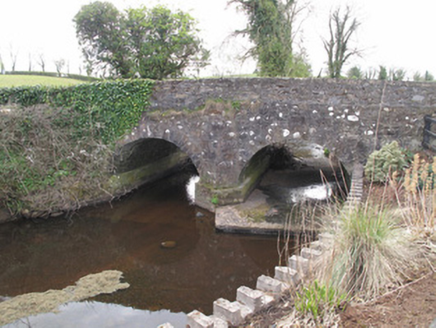 bridge1.4 mi
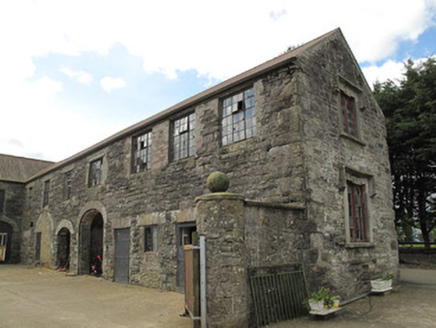 Clonamully HouseFarmyard complex · 1.7 mi
 Attack on Derryard checkpointTerrorist attack · 2.6 mi
 Sliabh Beagh Hotel and Tourism CentreVisitor information · 2.7 mi
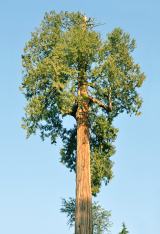 Western Redcedar3.4 mi
 Coast Redwood3.4 miJaundice WellSpring · 4.4 mi
 Slieve Beagh se TopMountain / peak · 5.4 mi
 Slieve BeaghMountain / peak · 5.7 mi
 Rossmore MausoleumHeritage attraction · 6.0 mi
 Grave YardGraveyard · 6.6 mi
More historic places in County Monaghan · All of County Monaghan
What do you know about this place?