What is recorded here
Drumcondra Castle stands as a ruined bawn on a gravel knoll in County Sligo, its rectangular walls enclosing a forgotten tower and gateway that once controlled access across the surrounding bog. The causeway still points toward the southern entrance, where gun loops flank the opening and the ground dips steeply into shadow. What remains is not a grand castle but a defensive chamber, rebuilt in places and abandoned in others, holding the shape of a household that no longer names itself.
On the top of a gravel knoll (c. 80m E-W; c. 60m N-S) surrounded by bog and reclaimed grassland. The knoll is approached via a causeway (L c. 30m; Wth c. 4m; H c. 0.8m) from the SE. On top of the knoll is a rectangular bawn (20m N-S; 26m E-W) with fragmentary remains of a tower (SL021-068----) at its SW corner and a gateway near the S end of its E wall. The bawn gateway is situated near the S end of the E side, overlooking the causeway. Only the S side of the gateway opening survives; there is no indication of a structure inside but the ground level dips steeply down towards the opening. Flanking the gateway is a single gun loop on either side. There are no other apparent features on the bawn wall though stretches of it have been repaired and rebuilt in the recent past.
Compiled by: Archaeological Survey Unit, UCC with revisions by Patrick F. O'Donovan and Paul Walsh
Date of upload: 20 June 2011
Drumcondra Castle was built in the 17th century by the Conyngham family, who were prominent landowners in the area. The castle is remembered for its historical association with the Conynghams and as a notable example of early modern Irish architecture, now preserved in ruins.
The monument record does not grant public access. Check the route and ask the landowner before entering private land.
- What survives
- Recorded monument
Places near here
 Drumcondra Castle (in Ruins)Castle, tower house · 13 yd
 Enclosure in DrumcondraEnclosure · 374 yd
 Enclosure in RathmoneyEnclosure · 619 yd
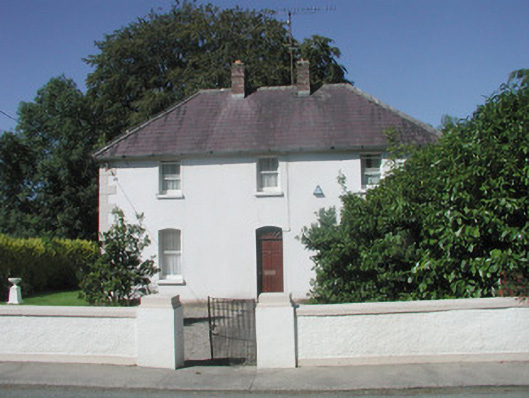 The Presbyterypresbytery/parochial/curate's house · 1713 yd
 Saint Teresa's Catholic Churchchurch/chapel · 1729 yd
 Giants GraveArchaeological place · 1748 yd
 Castle (in Ruins)Castle, tower house · 1.3 mi
 SlishwoodWood · 2.2 mi
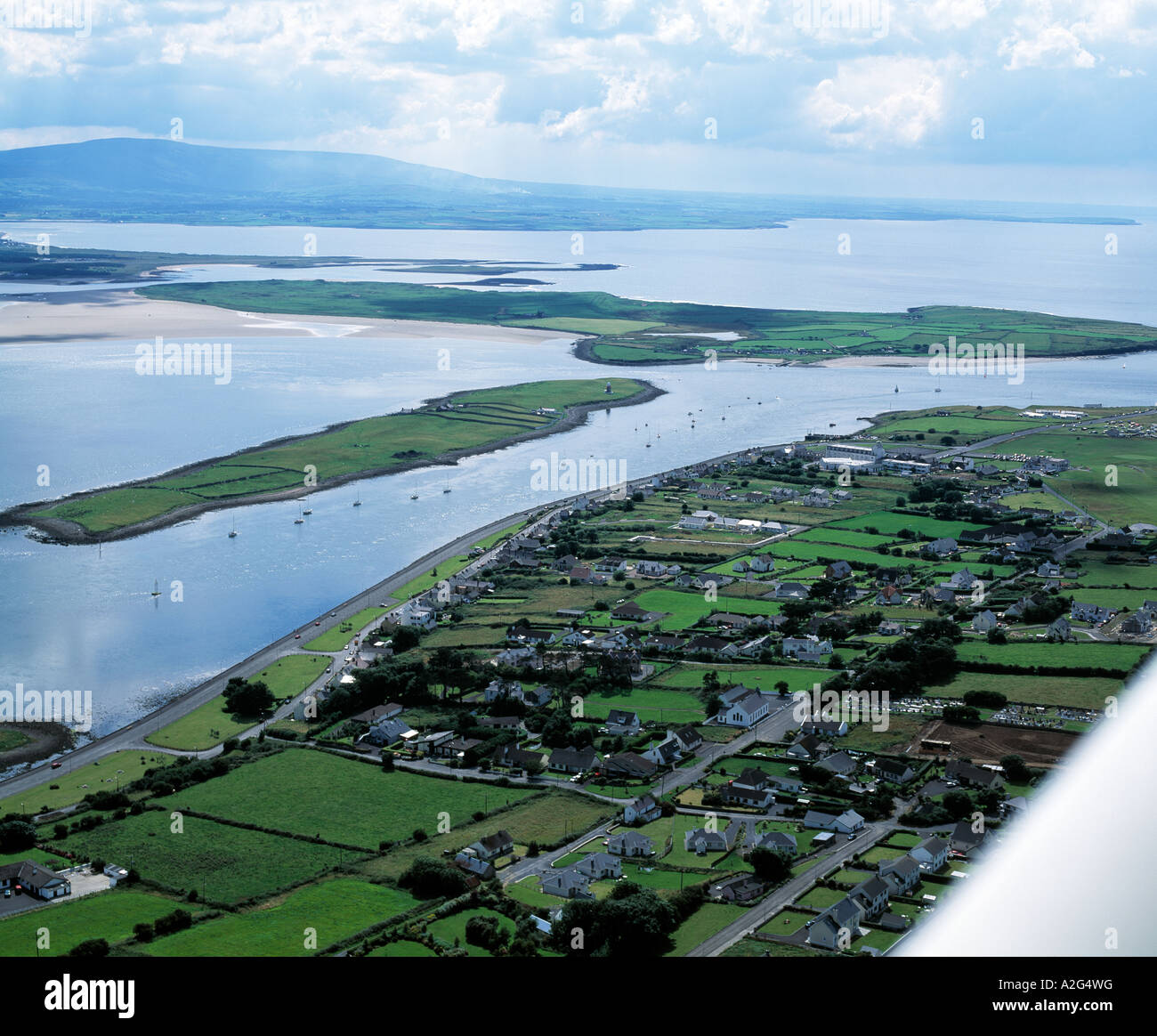 Slishwood Island WestIslet · 2.7 mi
 Bunowen BayBay · 2.8 mi
 Slishwood Island EastIslet · 2.9 mi
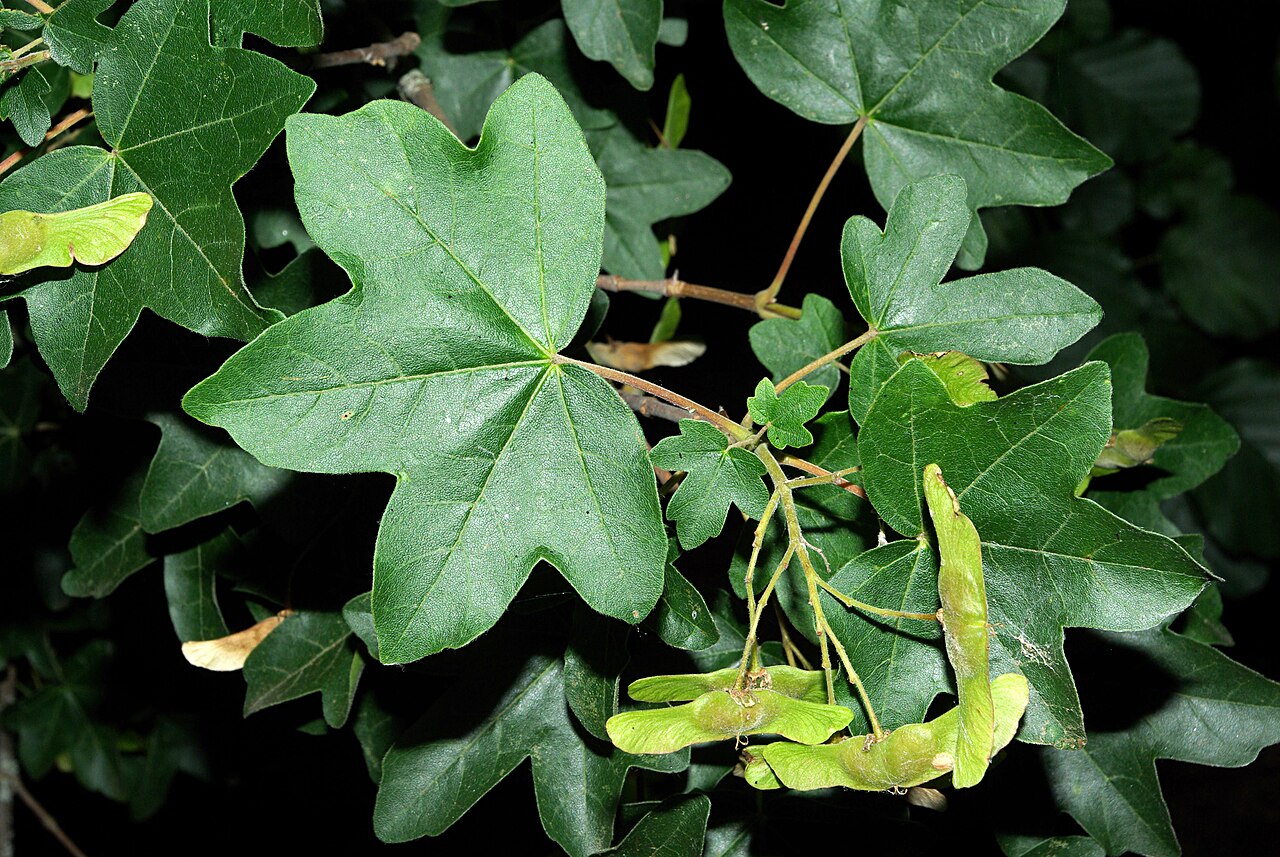 Field MapleField Maple · 3.2 mi