
What is recorded here
Arbour Hill Barracks A 19th-century barracks on Arbour Hill was recorded in 2025 in the ‘Our Shared Built Military Heritage: The online mapping, inventorying and recording of the Army Barracks of Ireland, 1690-1921' a project that was funded by the North South Research Programme 2022-2024 and co-led by…
Read the whole record
From the National Monuments Service (Archaeological Survey of Ireland) record DU018-544
Places near here
Photo credits
- Maker not stated on source page, en.wikipedia.org
- Maker not stated on source page, commons.wikimedia.org
- Maker not stated on source page, www.tripadvisor.com
- Maker not stated on source page, www.pinterest.com
- Maker not stated on source page, www.flickr.com
- Maker not stated on source page, www.tripadvisor.ca
- Maker not stated on source page, tr.pinterest.com
- National Inventory of Architectural Heritage
- Keith Weller, Wikimedia Commons · Public domain
- renee_mcgurk, Wikimedia Commons · CC BY 2.0
 Graveyard in Unknown TownlandGraveyard · 156 yd
Explorer Tom Graveyard in Dublin dates from 1704 to the 1920s at Arbour Hill. Most graves are for British military personnel, and…
 CairnCairn, unclassified · 184 yd
Explorer Tom Cairn. Known as Carn Uí Dúnchada, this cairn was possibly erected against Viking pressure in the ninth century. Using a…
 Church in Donnybrook East,donnybrook WestChurch · 184 yd
Explorer Tom Church in Donnybrook East is mentioned in a deed from 1748, which is quite specific for a ghost church. It was the…
 Church in DonnycarneyChurch · 184 yd
Explorer Tom Church in Donnycarney exists by tradition, which means nobody is really sure where it is. Wren says there was one…
 Megalithic tomb in Dublin North CityMegalithic tomb · 184 yd
Explorer Tom Megalithic tomb in Dublin North City. Recorded as a sepulchre of black marble stones, now lost to the city's expansion.…
 Church in Dublin North CityChurch · 184 yd
Explorer Tom Church in Dublin North City is near the north gate of St Mary's Abbey and apparently doesn’t exist anymore, which is a…
 Church in Dublin South CityChurch · 184 yd
Explorer Tom Church in Dublin South City was at Dolphin's Barn and showed up on the Down Survey map, so it definitely existed for a…
 TombTomb, unclassified · 184 yd
Explorer Tom Tomb in Dublin South City belongs to the Low family from the 17th century. John Low built it big. If you see a fancy…
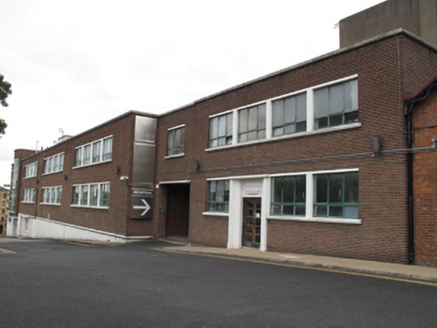 Digital Depot/NCAD Graduate StudiosBuilding misc · 794 yd
Explorer Tom Building misc on Thomas Street was a printing works for Guinness, so it’s got some serious ink-stained past. Now it’s…
 Church in Unknown TownlandChurch · 795 yd
Explorer Tom This one sits under the Pearse Lyons Distillery now. It was built on the site of medieval St James's, with some…
 European Pear816 yd
Explorer Tom European Pear in County Dublin does weird things when nobody's looking, like plotting how to drop its fruit on your…
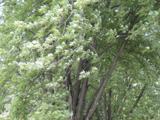 Silver maple917 yd
Explorer Tom Silver maple in County Dublin has a deep suspicion of the postman, believing he’s stealing its leaves to make fake…
More archaeology and monuments in County Dublin · All of County Dublin

What do you know about this place?Tap to add a comment or ask a question