What is recorded here
Walter Harris recorded eight black marble stones forming an ancient sepulchre in the eastern suburbs of Dublin City. The chamber held vast quantities of burnt coals, ashes and human bones, marking a brutal ritual rather than a quiet rest. That mound has vanished from the modern map, erasing the exact spot where death and fire once shared one small space.
Walter Harris in the second volume of The Whole Works of Sir James Ware concerning Ireland records an ancient sepulchre somewhere in the eastern suburbs of Dublin City. This wasplaced SW by NE, which was composed of eight black marble stones of which two made the covering and was supported by the other. According to the report vast quantities of burnt coals, ashes and human bones were found in it (Borlase, 1897, II, 381). The location of this mound is unknown. It has been identified with the place known as the Styne (Halliday 1884, 153).
Megalithic tomb, likely Neolithic in origin; its orientation and construction suggest a passage tomb tradition. Recorded historically by Sir James Ware, it represents early prehistoric funerary practices in the Dublin region.
The monument record does not grant public access. Check the route and ask the landowner before entering private land.
- What survives
- Recorded monument
Places near here
 CastleCastle, unclassified · 1 yd
 Rutland Fountain National Museum of Ireland Collins Barracksfountain · 23 yd
 Royal BarracksBarracks · 38 yd
 AsgardMuseum · 56 yd
 National Museum of Ireland, Collins BarracksMuseum · 75 yd
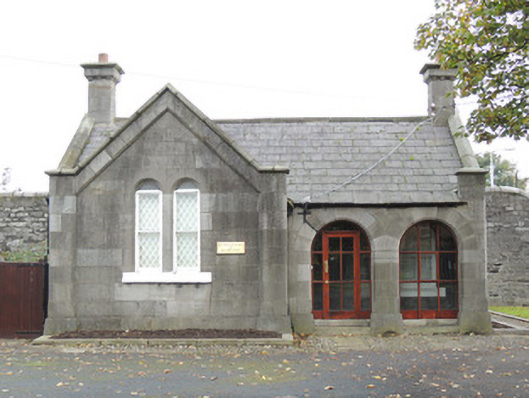 Military Heritage of Ireland Trustsexton's house · 136 yd
 Croppies Acre MemorialMemorial · 169 yd
 Burial ground in Unknown TownlandBurial ground · 182 yd
 1916 Easter RisingMemorial · 268 yd
 European PearEuropean Pear · 632 yd
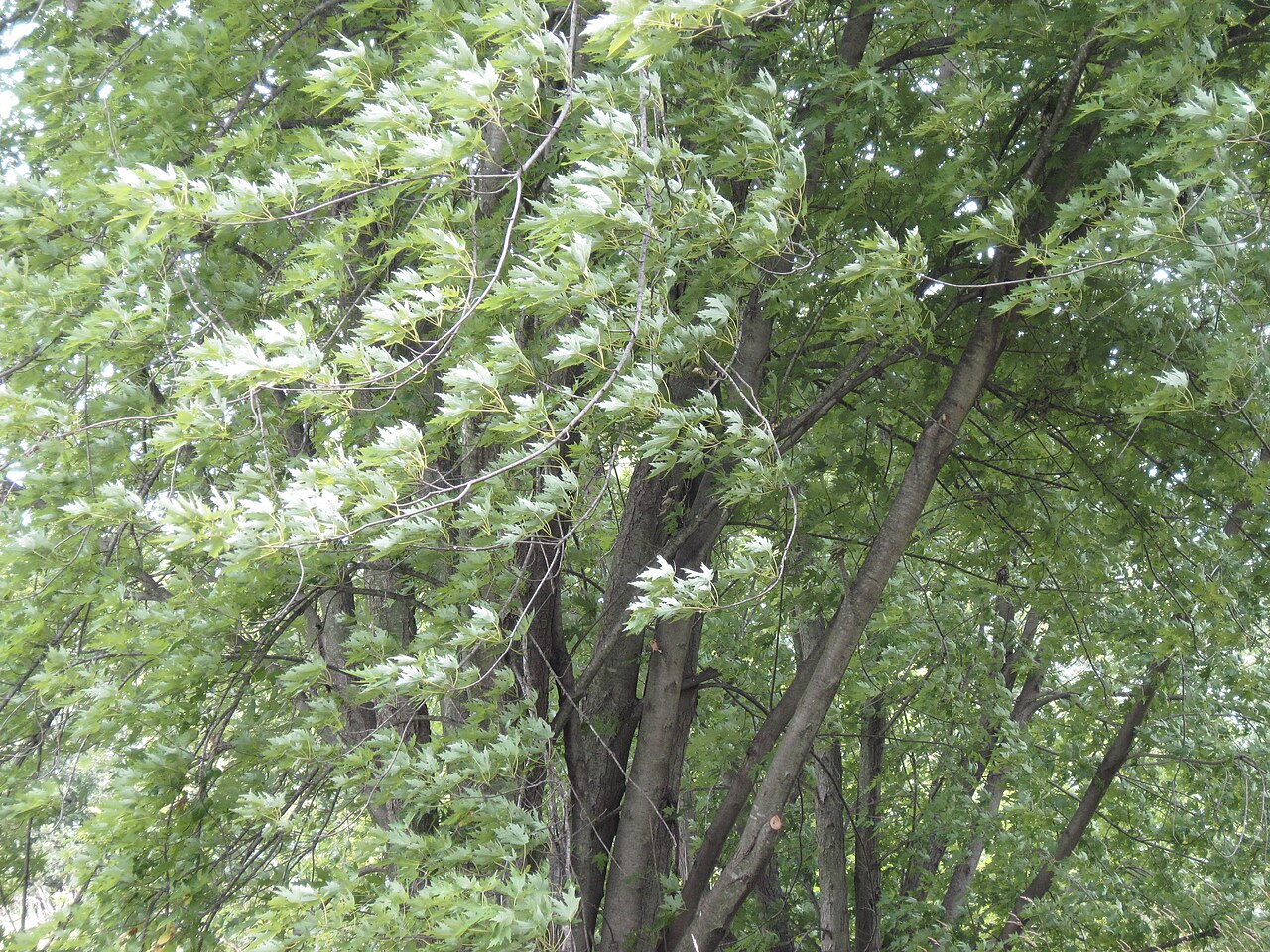 Silver mapleSilver maple · 1040 yd
 Gairdín Foirmiúil Ospidéal Ríoga Chill MhaighneannVisitor information · 1143 yd