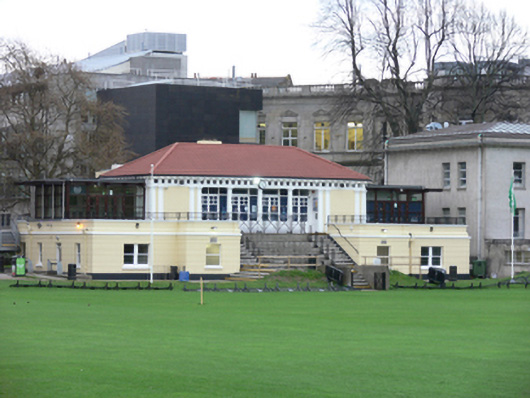
What is recorded here
Detached eight-bay two-storey cricket pavilion, built 1885, now in use as bar, having central four-bay two-storey block flanked by two-bay single-storey blocks, steps to first floor level to front (west) elevation, and recent extensions to north and south at first floor level. Hipped pantile roof having render eaves course with modillions, and flat roof having rendered parapets with moulded render coping to single-storey blocks. Rendered chimneystack having moulded string course and cast-iron rainwater goods with decorative brackets. Smooth rendered walls, channelled to single-storey blocks having render string course and plinth course, paired render pilasters supporting open frieze, with fluted panels and beading, to front of centre block, recessed panels to rear at first floor. Square-headed window openings having one-over-one pane timber sliding sash windows, some with masonry sills. Colonnaded entrance to first floor comprising rendered Doric pilasters and columns supporting frieze, having recessed porch with square-headed door openings, part glazed timber panelled doors and overlights. Approached by flight of rendered steps.
The cricket pavilion was designed by Thomas Drew, who had a close connection with Trinity College, and went on to design the Graduates Memorial Building in the closing years of the century. The well-executed in antis portico engages the eye and draws the visitor upwards to the entrance. The painted render finish forms a pleasing contrast with the grey tones of nearby stone buildings, perhaps to suggest its recreational rather than educational function.
This does not grant access. Most recorded buildings are privately owned; view them only from public ground unless the owner allows entry.
Places near here
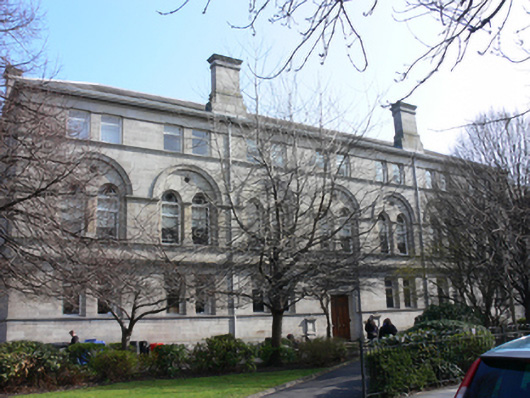 Chemistry Buildingfaculty building · 48 yd
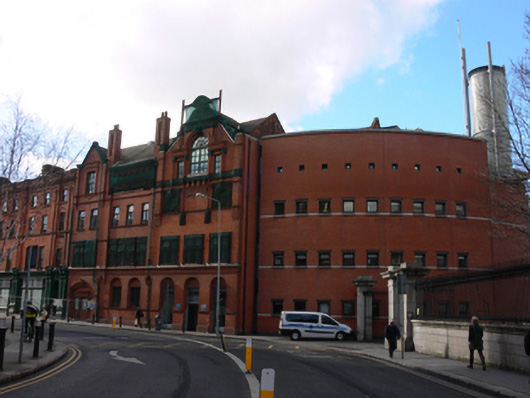 Dental Hospitalhospital/infirmary · 84 yd
 Trinity College DublinHistoric university campus · 166 yd
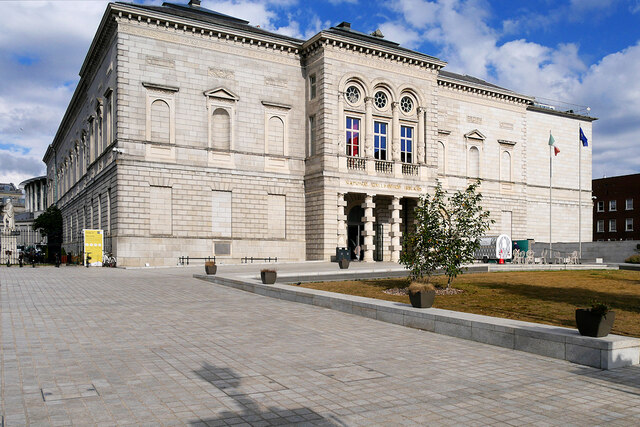 National Gallery of IrelandMemorial · 259 yd
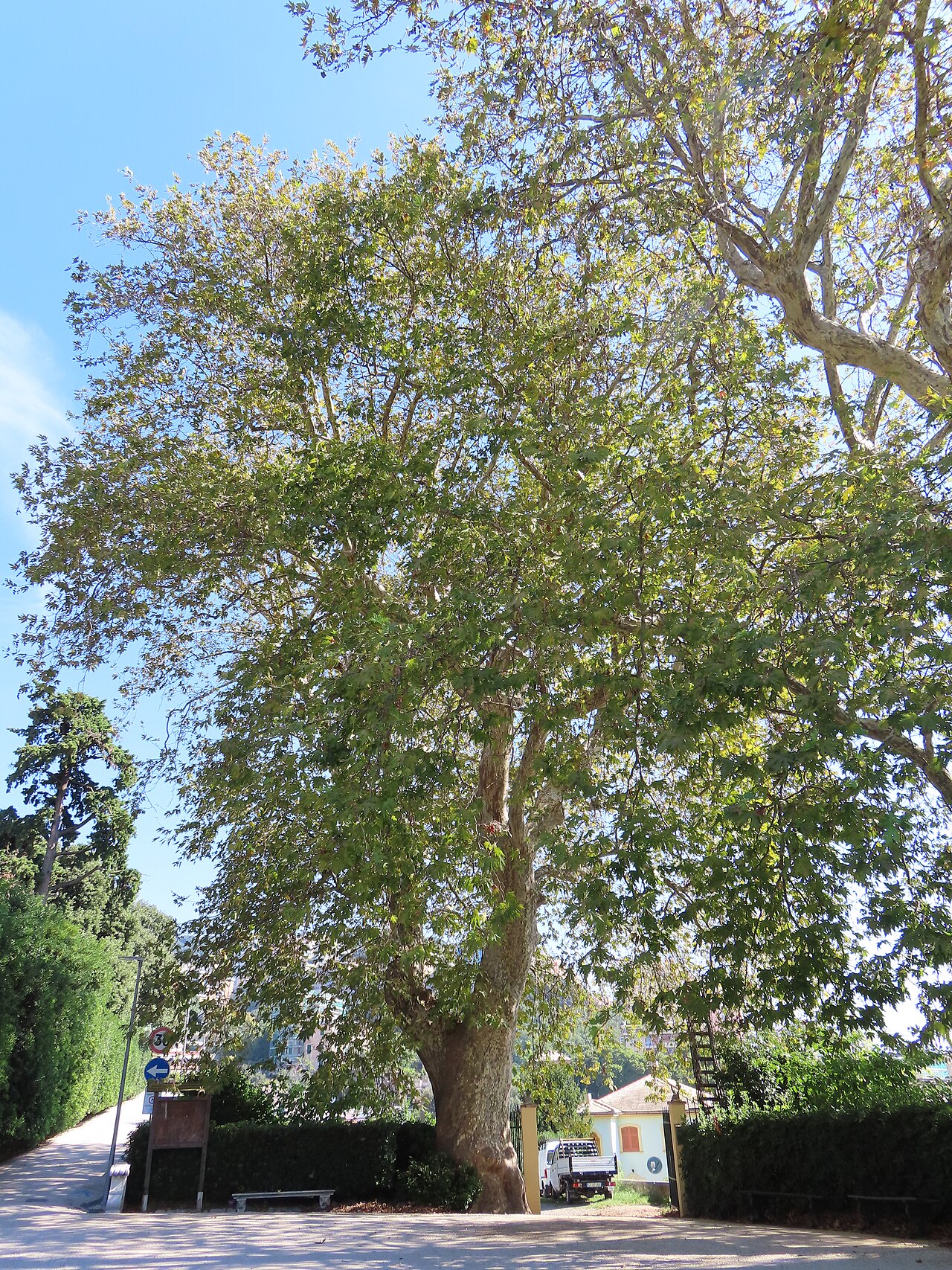 Oriental planeOriental plane · 267 yd
 Oscar Wilde MemorialMemorial · 285 yd
 Library in Unknown TownlandLibrary · 322 yd
 Dublin MillenniumMemorial · 330 yd
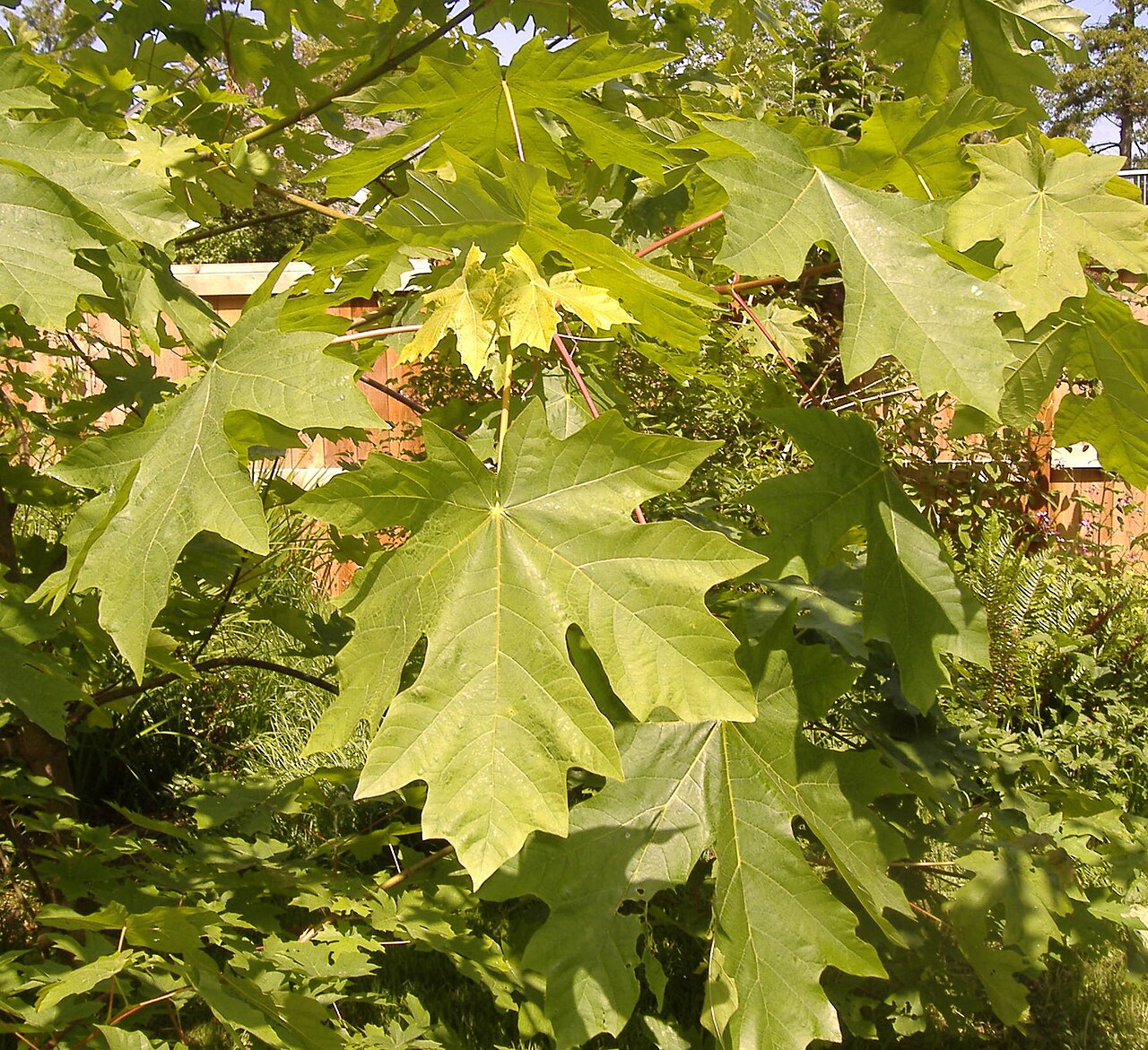 Bigleaf MapleBigleaf Maple · 332 yd
 St. Patricks WellHoly well · 353 yd
 Burning of the Custom Housearmed conflict · 705 yd
 Burial ground in Unknown TownlandBurial ground · 1541 yd
Other information
Photo: National Inventory of Architectural Heritage · Website use allowed for educational or private purposes with source credit