What is recorded here
In 1939, during quarry operations in a gravel pit, 'a shallow cist constructed of four (or perhaps five) flagstones ... about three feet by two feet' was discovered (Rynne 1973-4, 84-5). The cist was broken up and, apparently, nothing found in it except a Pygmy Cup (ibid.). This small pottery vessel was eventually donated to University College Galway. The vessel consists of a biconical well-fired ware (H 5.9cm; rim diam. 5.5cm) with its rim bevelled internally, and is decorated simply with deep groves (Kavanagh 1977, 85). The area where the cist was found is now level boggy terrain. There is a sub-rectangular setting of small irregular sandstone boulders (1.6m N-S; 4m E-W). The stones average in size 0.3m by 0.3m, with one larger slab 0.75m by 0.3m lying flat on the E side of the setting. There is a field drain immediately on the S side.
Compiled by: Denis Power
Date of upload: 26 August 2011
A small Neolithic or early Bronze Age stone cist, likely used for burial. Its discovery provides evidence of prehistoric human activity in the Frankfort area, though the lack of detailed records limits broader archaeological significance.
The monument record does not grant public access. Check the route and ask the landowner before entering private land.
- What survives
- Recorded monument
Places near here
 Glenwilliam Castlecountry house · 209 yd
 Glenwilliam Lodgesteward's house · 480 yd
 Mound in Ballykevan EastMound · 750 yd
 IndicatedFairy fort / earthen ringfort · 1588 yd
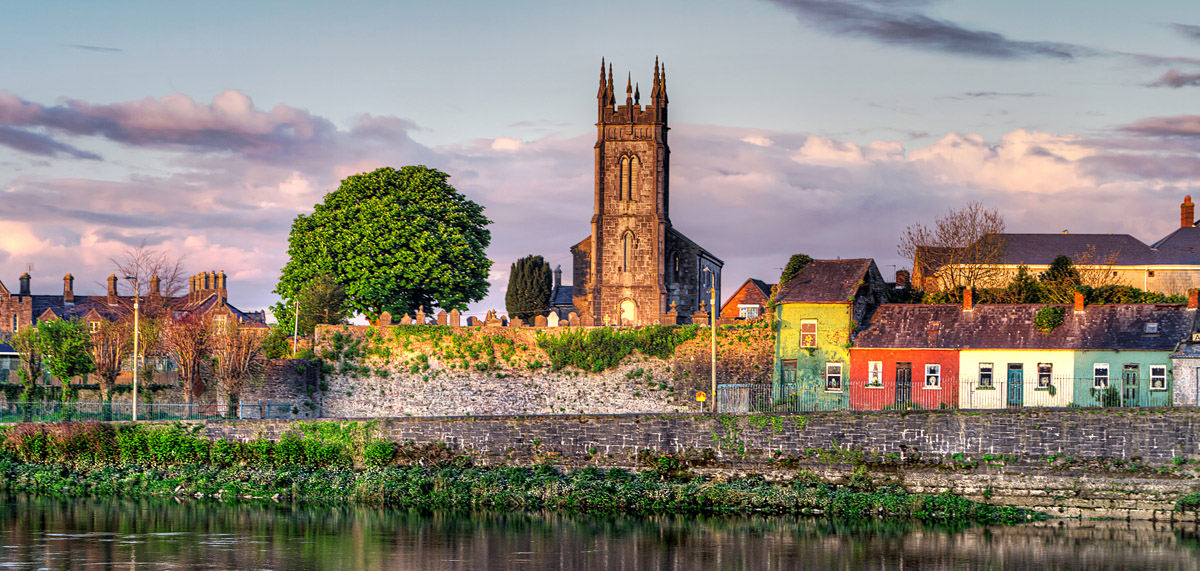 Sunday WellSpring · 2.4 mi
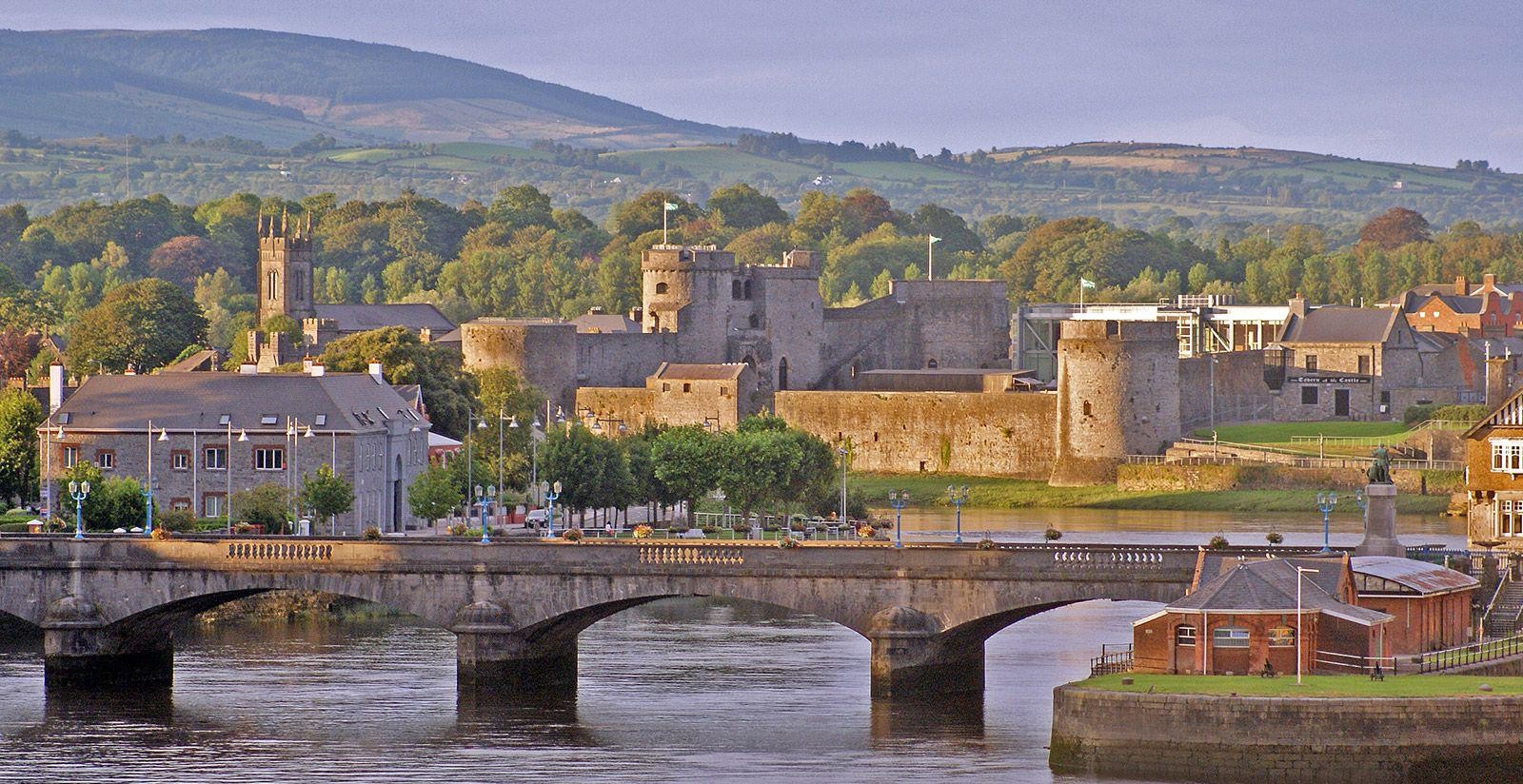 Lady's WellSpring · 2.4 mi
 CastleCastle, unclassified · 2.5 mi
 Castle (in ruins)Castle, hall-house · 2.6 mi
 Famine stoneMemorial · 3.2 mi
 KnockfeerinaMountain / peak · 3.6 mi
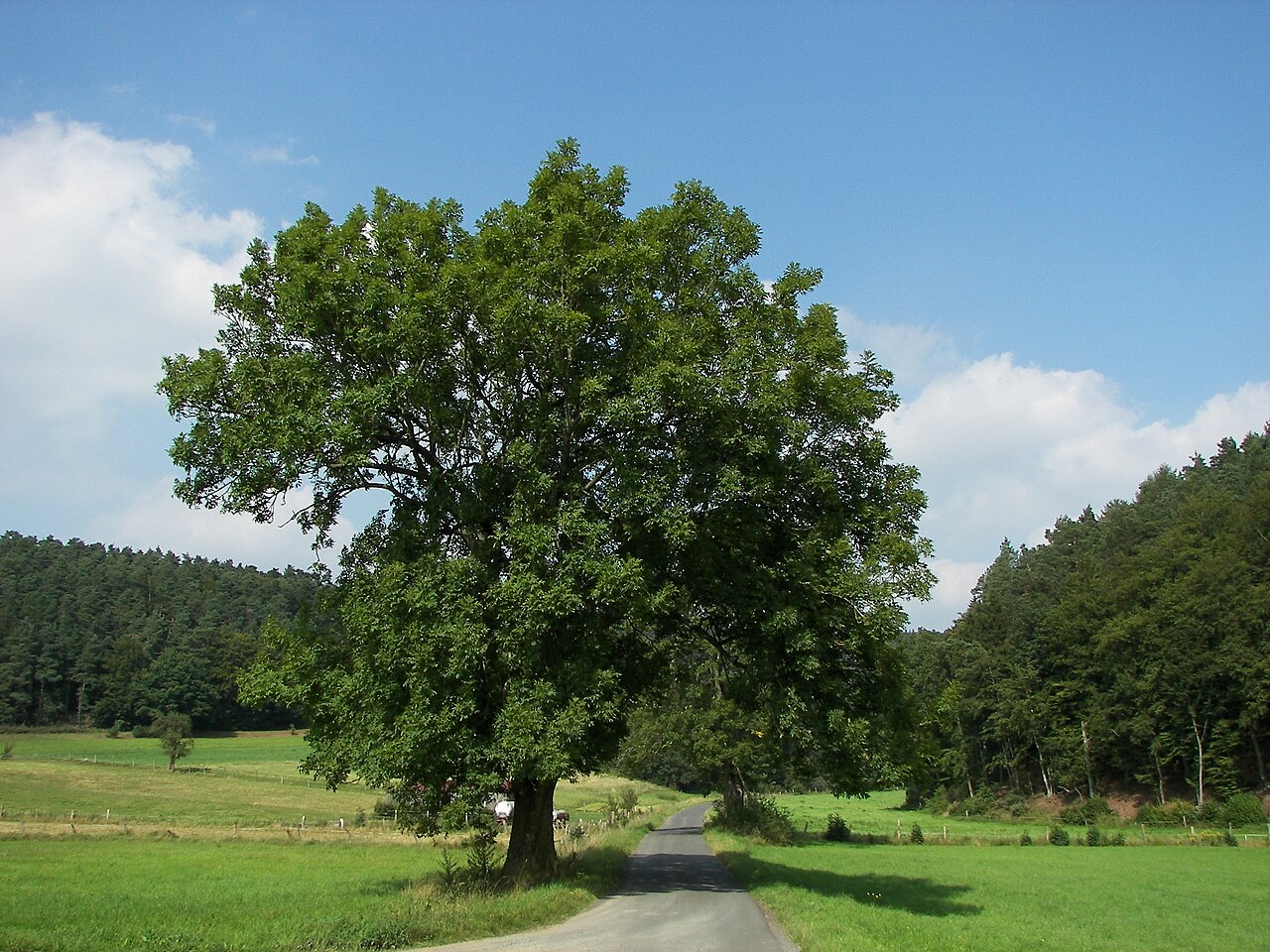 European ashEuropean ash · 4.9 mi
 National Co-op MuseumMuseum · 7.0 mi