What is recorded here
On a gentle slope in grassland close to W foot of Knockmaa. A polygonal-cist was discovered during ploughing in 1959. Excavation by Rynne (1961) revealed that it was constructed of eight upright stones, placed in a circular pit (D 1m, H 1m) roofed with a capstone. It contained an inverted urn of 'the vase urn category' (Waddell 1990, 90) within which were cremated bones of at least one adult and a child. A plano-convex flint knife and a bone pin were also found. No visible surface trace survives. (Waddell 1975, 12)
The above description is derived from the published 'Archaeological Inventory of County Galway Vol. II - North Galway'. Compiled by Olive Alcock, Kathy de hÓra and Paul Gosling (Dublin: Stationery Office, 1999).
Date of upload: 05 August 2010
Polygonal cist dating to the Early Bronze Age. This type of tomb is significant as an example of early megalithic funerary architecture in the region, reflecting burial practices and stone construction techniques of the period.
The monument record does not grant public access. Check the route and ask the landowner before entering private land.
- What survives
- Recorded monument
Places near here
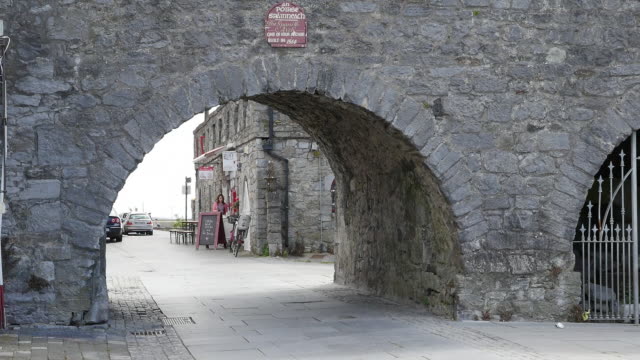 Enclosure in Caltragh (killower Ed)Enclosure · 304 yd
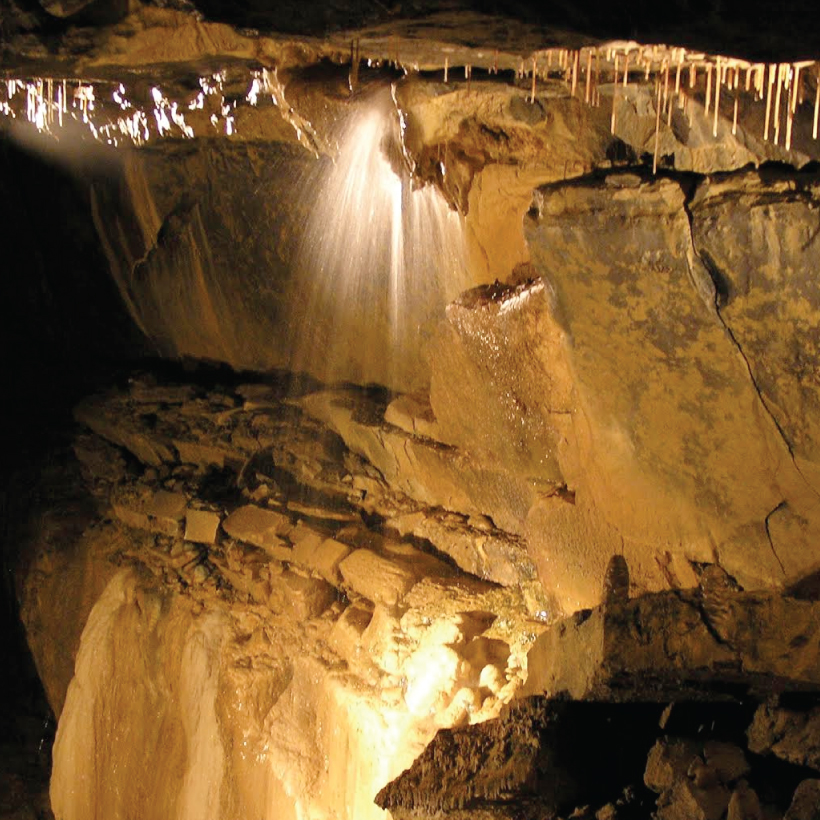 CaveMan-made underground passage · 601 yd
 Designed landscapeDesigned landscape, summer house · 1183 yd
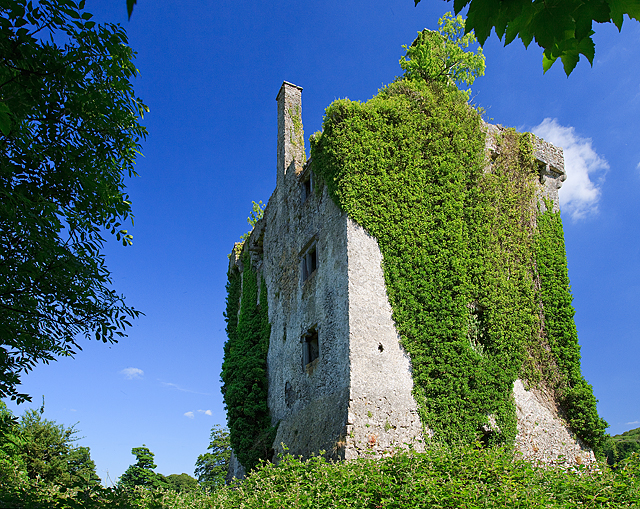 Castle Hacket (in ruins)Castle, hall-house · 1344 yd
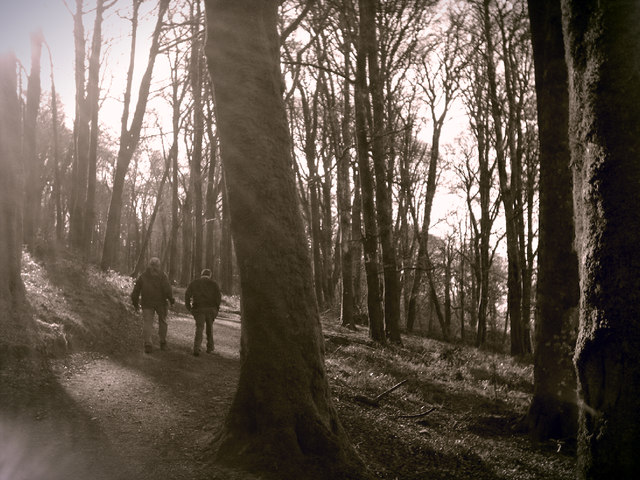 KnockmaaWood · 1697 yd
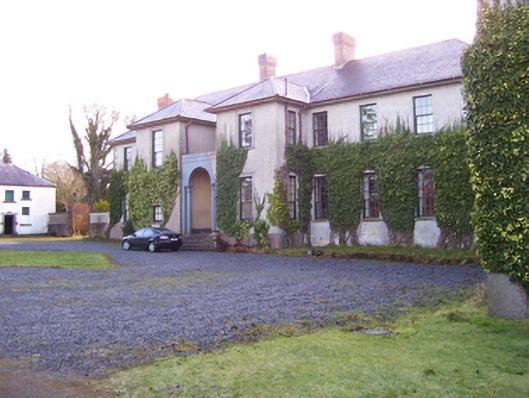 Castle Hacketcountry house · 1.1 mi
 Cashlaun Feecul in ruinsCastle, unclassified · 1.2 mi
 Kilcoona Round TowerHeritage attraction · 3.4 mi
 Mass RockNamed rock · 3.6 mi
 Pesooge PlantationForest · 4.9 mi
 Walsh's IslandIslet · 6.9 mi
 Oileán an AoilIsland · 7.9 mi