
What is recorded here
Limestone quarrying in County Cork exposed an inverted urn and quartz crystal in June 1932, but workmen disturbed the site before investigation. The urn carries criss-cross hatching, oblique ribs and hollow discs, yet its burial form remains unclear because only a small flagstone and possibly a few kerbstones survived. It is a rude stone box, not a grand chamber, and that simplicity makes the careful ornamentation on the urn all the more striking.
Discovered during limestone quarrying in June 1932, much disturbed by workmen before investigation. Encrusted Urn, inverted over cremated remains on small flagstone (D 0.175m) (Doody 1986, Cork No. 34). Quartz crystal associated with burial. Form of burial unclear; Power (1933, 222) described 'a very rude cist composed of kerbstones not more than seven inches high and laid on edge'; Waddell (1990, 61) surmises that burial was 'pit protected by a few stones'. Urn described by Kavanagh (1973, 537): 'rim bevelled outwardly...ornamented with...criss-cross hatching; internally decoration...in two tiers with four rows of alternating short oblique lines; externally decoration has ...row of hollow impressions [beneath rim] followed by...herring-bone pattern; 3cm below rim...small hollow discs...separated by applied ribs...terminated by indented cordon...at maximum diameter of vessel; ornamentation continues with [repeated pattern of] applied [oblique] ribs...alternating between cordons'. Both Kavanagha (ibid.) and Doody (ibid.) mistakingly locate site in a Kilbarry townland on Cork OS 6" sheet 36.
The above description is derived from the published 'Archaeological Inventory of County Cork. Volume 4: North Cork' (Dublin: Stationery Office, 2000). In certain instances the entries have been revised and updated in the light of recent research.
Date of upload/revision: 14 January 2009
Cinerary urn dating to the Early Bronze Age, associated with cremation burial practices. Its significance lies in providing evidence of funerary rites and material culture in early Irish prehistory.
The monument record does not grant public access. Check the route and ask the landowner before entering private land.
- What survives
- Recorded monument
Places near here
 Rath (Site of)Fairy fort / earthen ringfort · 278 yd
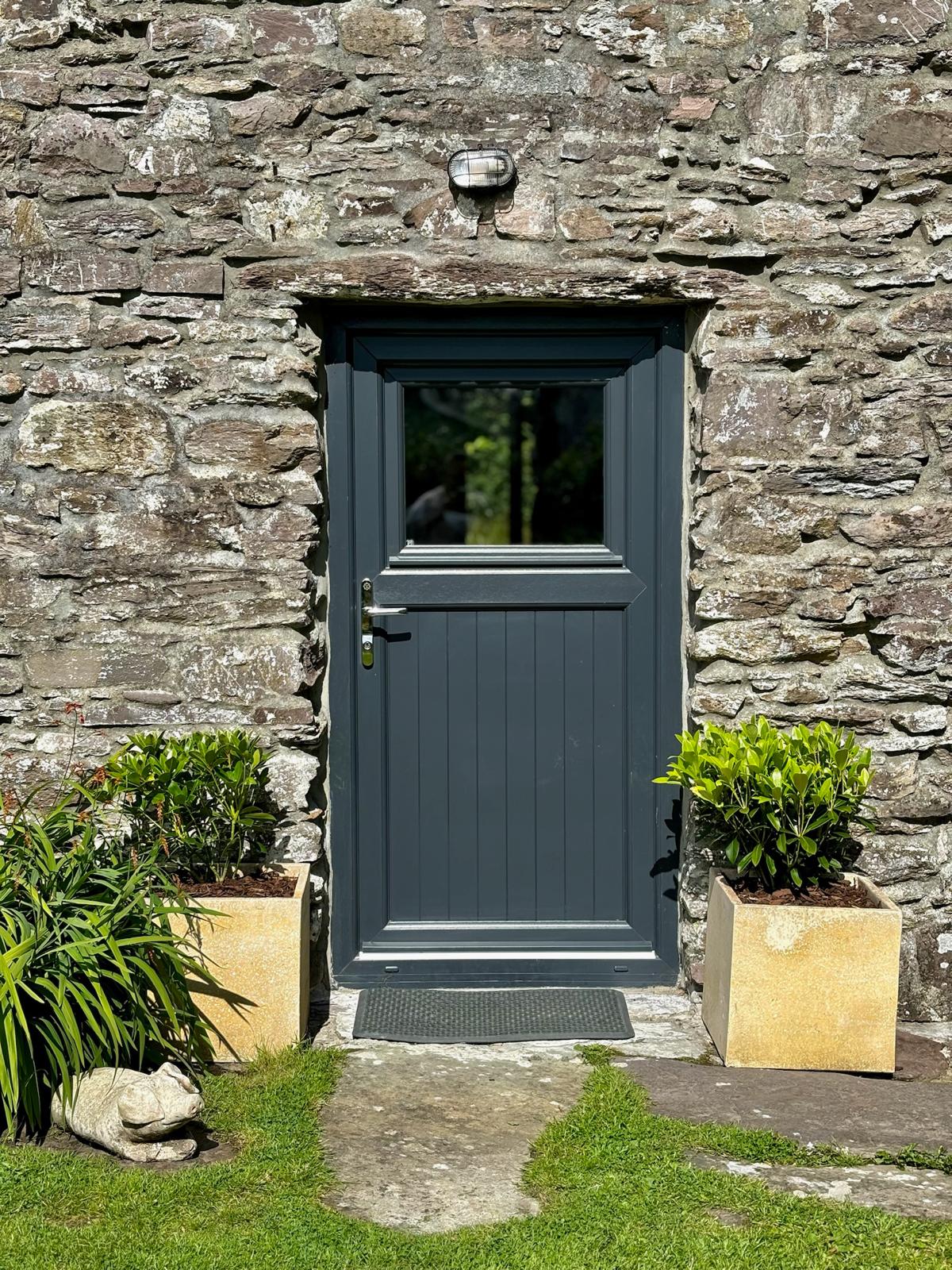 Enclosure in Kilbarry (duhallow By.)Enclosure · 894 yd
 Ballygrady SchoolSchool · 1449 yd
 CastleCastle, unclassified · 1678 yd
 Castlecor HouseCountry house · 1725 yd
 Lisgriffin CastleCastle · 2.0 mi
 Lady's WellSpring · 2.0 mi
 Graveyard in Ballygiblin (duhallow By.)Graveyard · 2.3 mi
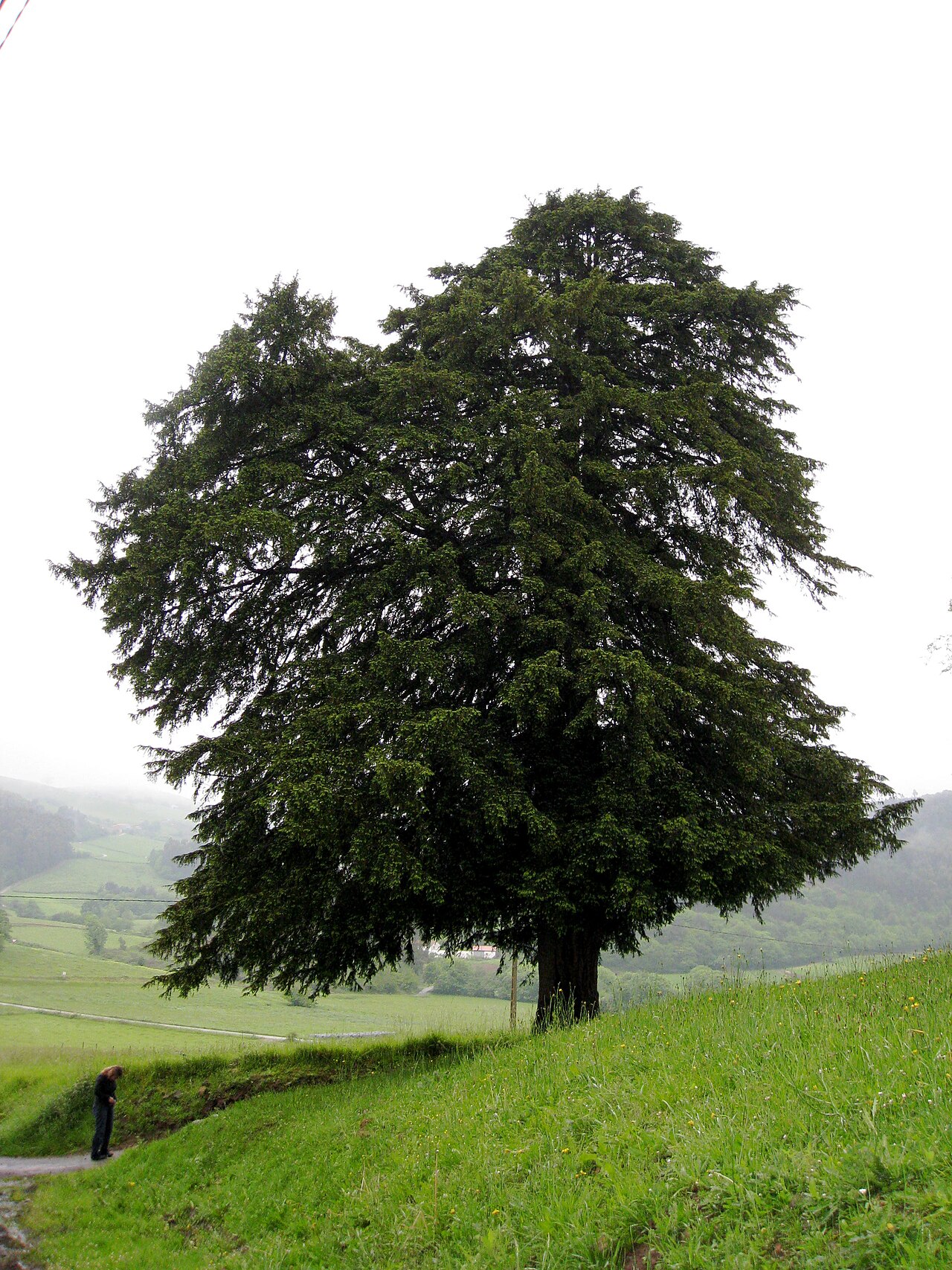 European YewEuropean Yew · 3.2 mi
 Burial ground in AssolasBurial ground · 3.4 mi
 Battle of LiscarrollMajor battlefield · 3.6 mi
 Kanturk CastleHeritage attraction · 5.7 mi
Other information
Photo: Credit not shown in the picture search · Rights wording not checked; contact us if this picture should be removed