What is recorded here
Keeltane holds a burnt mound where heat-shattered stones and charcoal soil still mark ancient feasts. People may have thrown hot rocks into water, raising steam that carried meat and life across the valley. The holy well beside it and the possible graveyard beyond suggest the place remained sacred long after the cooking stopped.
Heat-shattered stones and charcoal-enriched soil typical of a fulacht fia were exposed in 2003 during archaeological monitoring of the Charleville-Newmarket 110kV electricity line. This material remains undisturbed. A holy well (CO006-077001-) lies immediately to the E and there is a possible church and graveyard (CO006-077003-, CO006-077002-) c. 30m to the S. (Lyttleton 2006, 46)
The above description is derived from 'The Archaeological Inventory of County Cork. Volume 5' (Dublin: Stationery Office, 2009).
Date of upload: 22 December 2009
A fulacht fia, dating to the Early to Middle Bronze Age, typically used for cooking or industrial processes; these sites are significant for understanding prehistoric settlement and land use in Ireland.
The monument record does not grant public access. Check the route and ask the landowner before entering private land.
- What survives
- Recorded monument
Places near here
 Holy well in KeeltaneHoly well · 7 yd
 KilnKiln, lime · 1004 yd
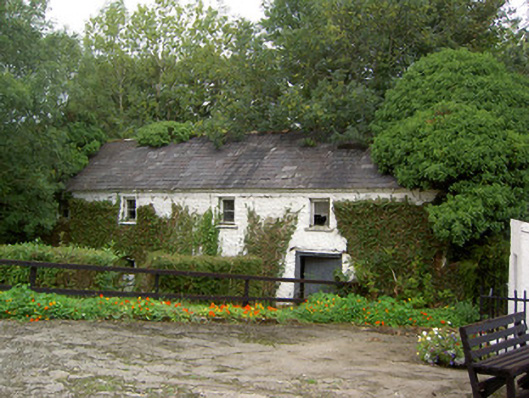 Coolbane Millmill (water) · 1031 yd
 Fulacht FiadhFulacht fia · 1580 yd
 Castle LisheenCastle · 2.7 mi
 National Co-op MuseumMuseum · 3.7 mi
 Carrig Castle (Site of)Castle, unclassified · 4.2 mi
 Battle of LiscarrollMajor battlefield · 4.4 mi
 Stanner's Glen, Priory WoodWood · 4.8 mi
 ToberacappeenSpring · 4.9 mi
 Mullaghareirk - Banane LoopWalking route · 6.7 mi
 Burial ground in AssolasBurial ground · 8.1 mi