
More pictures of this place


What is recorded here
Graveyard with c.70 headstones dating from 1764 to 1832, some having ‘IHS’ motif. Incorporating earlier burials, from c.1200 onwards. Granite shaft of high cross set on granite plinth, with carvings to each elevation. Remains of brick lean-to structure to south-west of site. Rubble limestone boundary walls enclosing…
Read the whole record
The story behind this place
From the Buildings of Ireland (National Inventory of Architectural Heritage) record 50080054
Places near here
Photo credits
- Dr Neil Clifton, Wikimedia Commons · CC BY-SA 2.0
- National Inventory of Architectural Heritage
- renee_mcgurk, Wikimedia Commons · CC BY 2.0
- Stephan van Helden, Wikimedia Commons · CC BY-SA 4.0
- Maker not stated on source page, www.dreamstime.com
- Maker not stated on source page, commons.wikimedia.org
- Maker named on the Wikimedia Commons picture page · CC BY-SA 3.0
- Maker not stated on source page, en.wikipedia.org
 Grand CanalLock · 727 yd
Explorer Tom Grand Canal in County Dublin has locks designed to raise or lower boats between different water levels, which is…
 Griffith BridgeBridge · 733 yd
Explorer Tom Griffith Bridge over the Grand Canal is from 1791 and named after a canal director, which is cool. It has an elliptical…
 Rialto BridgeBridge · 810 yd
Explorer Tom Rialto Bridge over the Grand Canal is doing its best to look like Venice, but we’re in Dublin, mate. It’s now a tram…
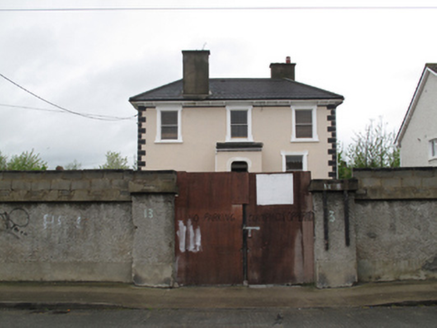 Portmahon HouseFarm house · 813 yd
Explorer Tom Portmahon House in County Dublin is having a rivalry with every other grand house because it predates them and knows…
 post box989 yd
Explorer Tom Post box on South Circular Road always bragged about surviving a storm that was actually just a very aggressive gust…
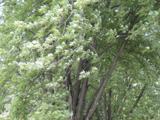 Silver maple1077 yd
Explorer Tom Silver maple in County Dublin is secretly proud of a single potato it grew last year, which it considers its finest…
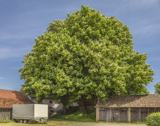 Horse-chestnut1229 yd
Explorer Tom Horse-chestnut in County Dublin is waiting for a cow that tried to buy it with a milk ticket last Tuesday. The cow left…
 TombTomb, chest tomb · 1253 yd
Explorer Tom Tomb in County Dublin is constantly listening through its stone walls for gossip about Thomas Waterhouse and his two…
 Church in Unknown TownlandChurch · 1253 yd
Explorer Tom This one sits under the Pearse Lyons Distillery now. It was built on the site of medieval St James's, with some…
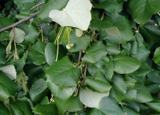 Silver Lime1300 yd
Explorer Tom Silver Lime in County Dublin has an unlikely celebrity friend who used to sit under it writing bad poetry about love…
 CairnCairn, unclassified · 1606 yd
Explorer Tom Cairn. Known as Carn Uí Dúnchada, this cairn was possibly erected against Viking pressure in the ninth century. Using a…
 Graveyard in Unknown TownlandGraveyard · 1.0 mi
Explorer Tom Graveyard in Dublin dates from 1704 to the 1920s at Arbour Hill. Most graves are for British military personnel, and…
More historic places in County Dublin · All of County Dublin

What do you know about this place?Tap to add a comment or ask a question