What is recorded here
Lissamota Castle in County Limerick belonged to the Desmond family and kept five floors inside walls thick enough to laugh at cannons. Its earthen bawn disappeared under spades and manure, but the stone heart still stands beside a farmyard stream. The missing rampart does not vanish; it fed the fields where people continued living after the fort stopped being a weapon.
Lissamota Castle (LI029-118001-) stands on S side of farmyard with stream 35m to W which marks townland boundary with Bealduvroga. Site of enclosure (LI029-118002-) lies 26m to NNE. Lissamota Castle was described in 1840 as following; ‘The walls are still perfect and are about 60 feet [18.3m] high and 5½ ft. [1.67m] in thickness. It measures 14½ ft. [4.4m] by 11 ft. 10in. [3.6m] on the inside. There are two stone arches still remaining, over the first and second floors; it originally contained 3 other floors, i.e. in all 5 floors. This is a very strong castle; it was surrounded by a lios or earthen rampart, when the name Lios a Móta. Of this lios not a vestige now remains, it having been entirely carried away for manures. Lissamota Castle belonged to the Desmond family’ (OSL vol. 2, 68-9). The Ordnance Survey Letters suggests that the castle had a bawn (LI029-118003-) which was enclosed by an earthen bank known as a Lios or fort. This earthen enclosure was removed in 18th or early 19th century.
Compiled by: Caimin O'Brien
Date of upload: 02 August 2019
See attached ASI aerial photographs ASIAP – taken on 04/03/2006.
The monument record does not grant public access. Check the route and ask the landowner before entering private land.
- What survives
- Recorded monument
Places near here
 Lissamota CastleCastle · 3 yd
 Burial GroundBurial ground · 1145 yd
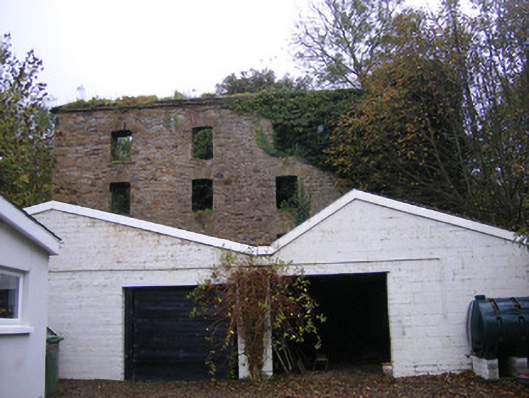 mill (water)mill (water) · 1149 yd
 Burial Gd. for ChildrenChildren's burial ground · 1158 yd
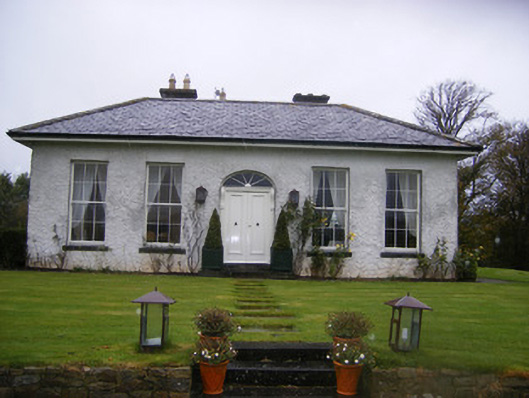 Fort William Housecountry house · 1173 yd
 Castle (in ruins)Castle, tower house · 1521 yd
 Famine stoneMemorial · 2.1 mi
 Flat cemetery in Kiltenan SouthFlat cemetery · 2.2 mi
 KnockfeerinaMountain / peak · 2.5 mi
 Kinnoor WellSpring · 3.3 mi
 LaghtpatrickSpring · 3.8 mi
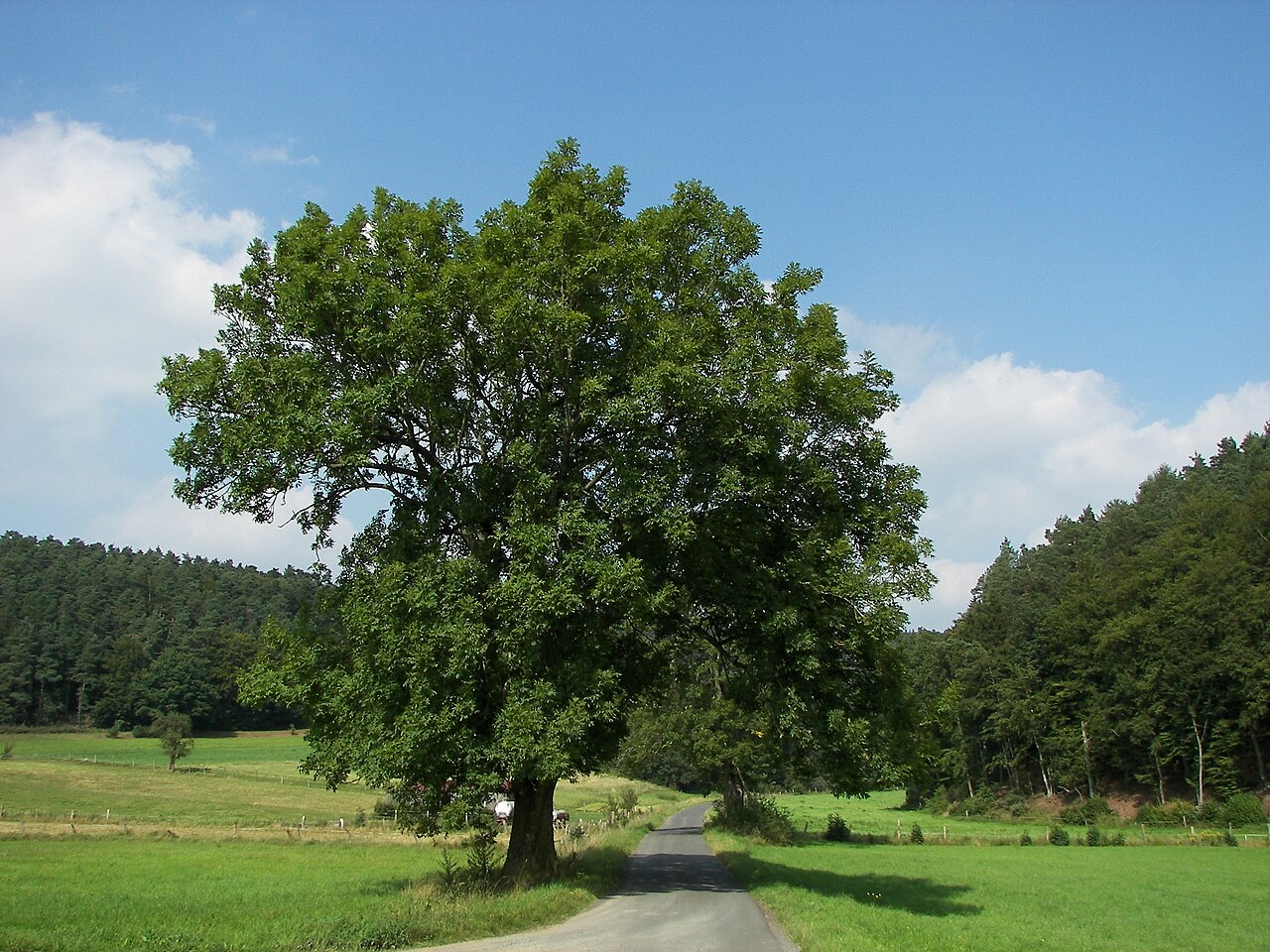 European ashEuropean ash · 4.3 mi