
What is recorded here
Megalithic chambers are not unusual in Ireland, but this one stands out because it preserved a rare complete wedge-shaped plan. Built around 1700-1500 BC, it measured 4.25m long and narrowed from 1.88m to 1.20m wide, with a backstone closing the NE end. A bronze axe and two copper fragments lay beside the entrance, yet no burial trace appeared inside. The chamber may have served as a marker, offer-place or boundary shrine rather than a grave.
This monument was excavated over a five-week period, in June-July 1990 and was followed by restoration of the megalithic chamber in September 1990 (O'Brien 1999, 141-89). The chamber originally consisted of two sub-parallel orthostat rows oriented approximately NE-SW (249-069 degrees). The N row contained three contiguous sidestones and the southern row had two certain sidestones separated by a gap of 0.85m: this probably contained a third upright slab. These were set in foundation trenches and formed a chamber or gallery measuring 4.25m in length. The chamber decreases in height from 1.26m at the W entrance to 0.90m at the E end. The ground plan is similarly wedge-shaped, ranging from 1.88m wide at the SW to 1.20m at the NE end which was closed by a backstone slab. No evidence of a closing slab or septal arrangement was found in the course of the excavationsa at the open W end of the monument. The chamber probably was roofed originally by two overlapping roofstones, only one of which survived. No evidence was recovered to suggest that it had been covered by a cairn or mound. A bronze axe dating to the Early Bronze Age and two pieces of raw copper were found as a single deposit on the N side of the tomb entrance. No other prehistoric artefacts were recovered and there was no evidence of burials. Radio-carbon determinations indicate that the monument was constructed during the later stages of the Early Bronze Age, c. 1700-1500 BC, and had witnessed intermittent activity in the later prehistoric and historic periods. (Power et al. 1992, 19, no. 40)
The attached plan of the monument was surveyed in 1989 prior to its excavation.
Compiled by: Paul Walsh
Date of upload: 12 April 2013
Wedge tomb, dating to the Late Neolithic or Early Bronze Age (c. 2500–1500 BCE). Its significance lies in its typical west-facing orientation and trapezoidal chamber, reflecting regional megalithic traditions in southwest Ireland.
The monument record does not grant public access. Check the route and ask the landowner before entering private land.
- What survives
- Recorded monument
Places near here
 Toormore Bridgebridge · 182 yd
 The Altar Church of Ireland Churchchurch/chapel · 504 yd
 AltarViewpoint · 854 yd
 Wedge tomb in AltarWedge tomb · 895 yd
 CairnCairn, unclassified · 1591 yd
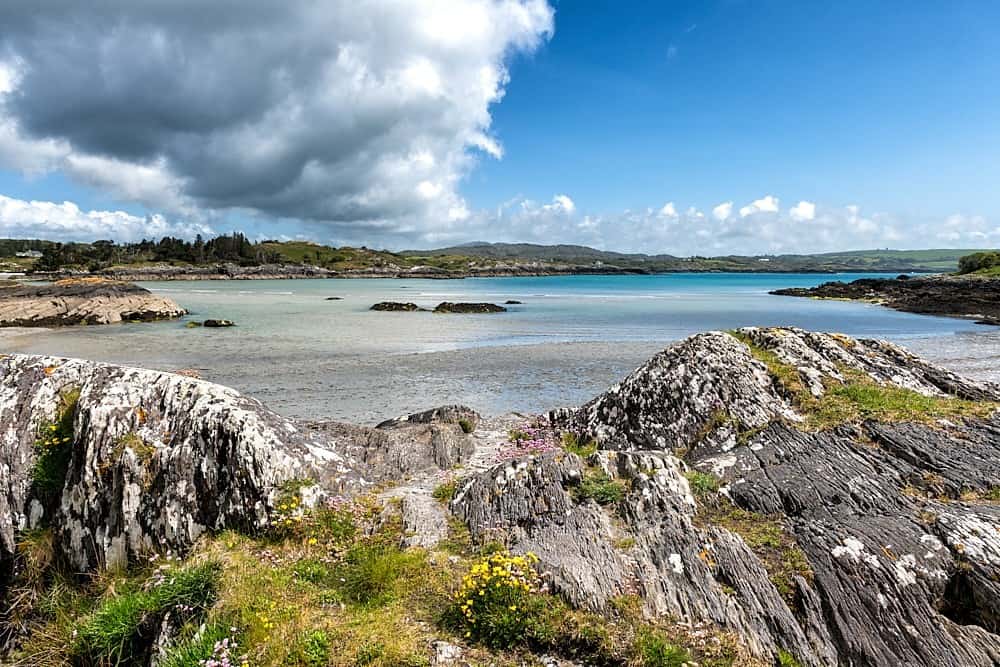 Ballyrisode WoodWood · 1.0 mi
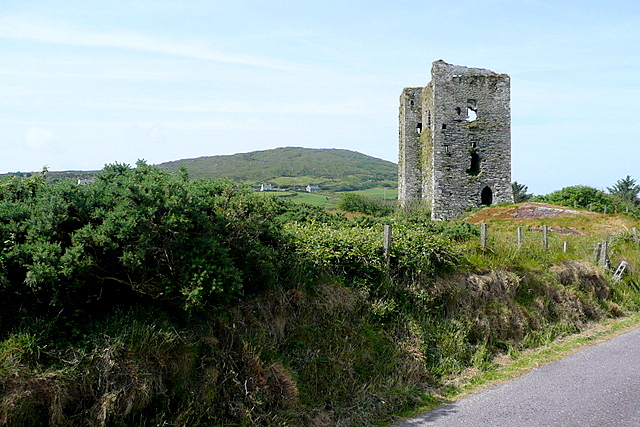 Dunmanus Castle (in Ruins)Castle, tower house · 1.5 mi
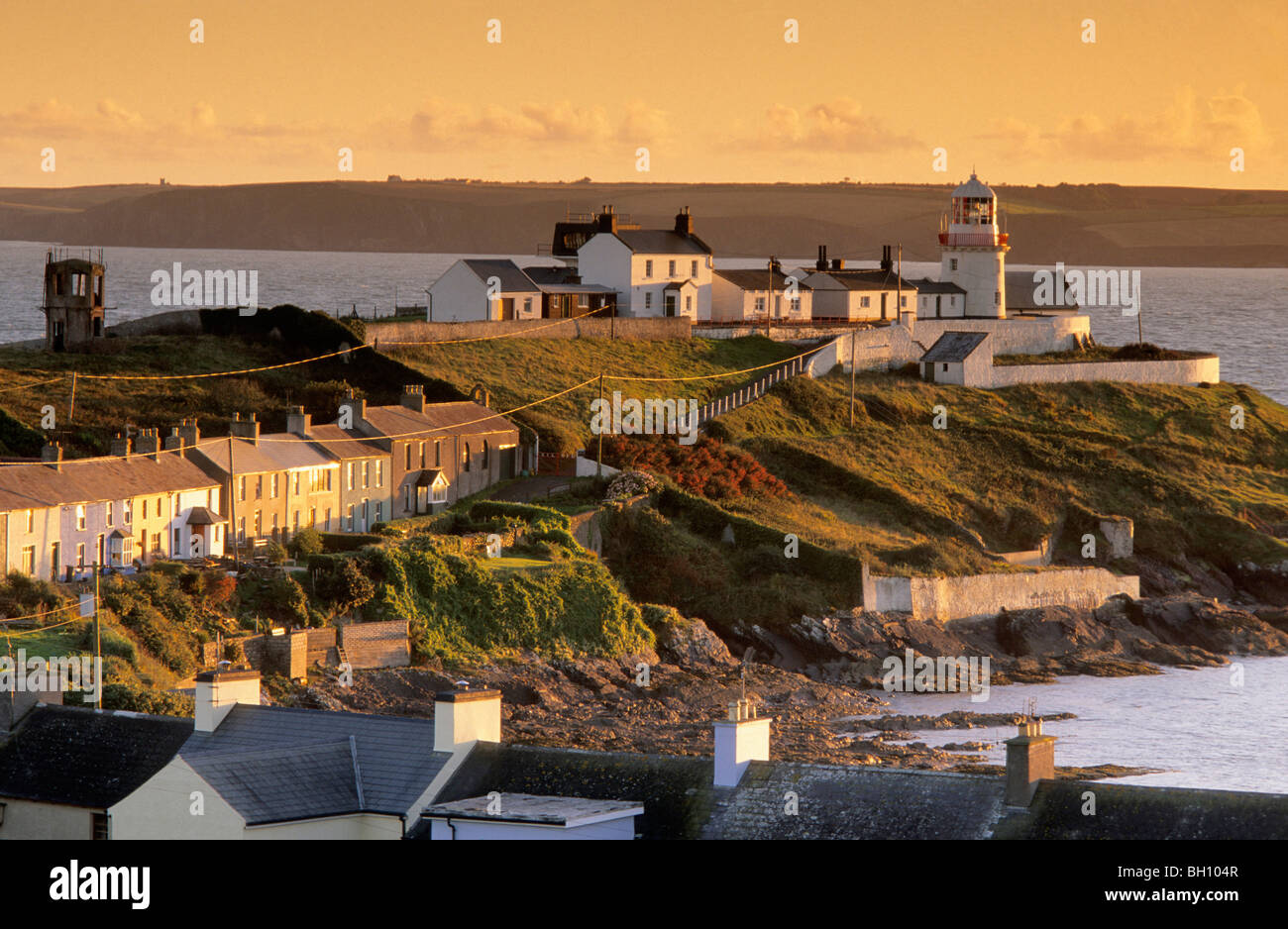 Ballyrisode PointHeadland · 1.6 mi
 Castle (Site of)Castle, unclassified · 1.7 mi
 Dick's IslandIslet · 1.8 mi
 Dunmanus PointHeadland · 1.8 mi
 KnockaphucaMountain / peak · 2.0 mi
Other information
Photo: Credit not shown in the picture search · Rights wording not checked; contact us if this picture should be removed