Places near here
Photo credits
- National Inventory of Architectural Heritage
- Dr Neil Clifton, Geograph · CC BY-SA 2.0
- Andreas F. Borchert, Wikimedia Commons · CC BY-SA 4.0
- N Chadwick, Geograph · CC BY-SA 2.0
- Kenneth Allen, Geograph · CC BY-SA 2.0
- N Chadwick, Wikimedia Commons · CC BY-SA 2.0
- David Ayrton, Geograph · CC BY-SA 2.0
- Picture: Glendowen
- Michael Murtagh, Geograph · CC BY-SA 2.0
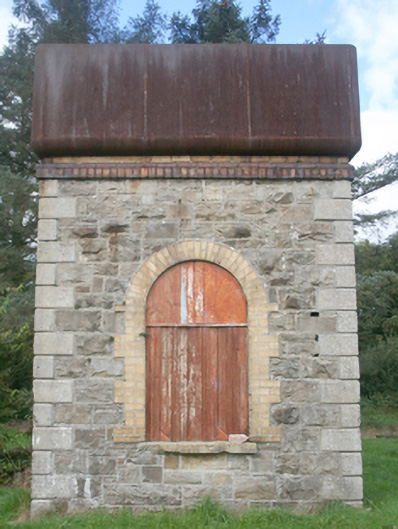
 railway station19 yd
Explorer Tom The railway station in Clehagh opened in 1901 on the narrow-gauge line, and it’s still showing off that beautiful clash of rock-faced stone and yellow brick. The pierced clay ridge comb along the roofline is a real architectural delight, a small detail that keeps this place looking grand despite its humble origins as part of the Derry & Lough Swilly network.
 St. Mary’s Catholic ChurchChurch/chapel · 385 yd
Explorer Tom St. Mary’s Catholic Church stands as a striking landmark with its crisp, crenellated tower and Gothic Revival details. It’s a wonderful example of early nineteenth-century architecture, so just enjoy the view from the public side unless you have a key!
 Clonmany Early Church GraveyardGraveyard · 1.1 mi
Explorer Tom Clonmany Early Church Graveyard hides a stone with two cupmarks called St. Colmcille's knee-prints. I reckon a kneeling saint would need much larger knees to leave that kind of impression, but tradition is a stubborn thing.
 Ballyliffin HotelHotel · 1.3 mi
Explorer Tom Ballyliffin Hotel number one is probably the quiet one next to the church, hiding a love story that went badly wrong. See if you can find a room with a view of nothing but sky for peace. Pack a picnic and an excuse.
 Glenevin Waterfall WalkOfficial walking route · 1.4 mi
Explorer Tom Glenevin Waterfall Walk in County Donegal is basically a stream that has been told it’s a waterfall so many times it’s started believing its own hype. It splashes around with the confidence of a main event, even though it’s really just water going over a few rocks near Crossconnell. Tell the kids it's a castle. Close enough.
 Nancy's BarnCafé · 1.4 mi
Explorer Tom Nancy's Barn serves fish that looks like it hasn't moved since the Ice Age. It would complain to the council about the cow traffic on Main Street. Spot the oldest stone and give it a name.
 Glenevin WaterfallWaterfall · 1.6 mi
Explorer Tom Glenevin Waterfall is allegedly run by a very strict dog who barks at anyone wearing flip-flops or carrying an umbrella on a sunny day. It’s recorded as a waterfall, but I’m pretty sure the dog has the final say on who gets to see it. Go on a wet day, it suits the mood.
 Glenevin Waterfall, ClonmanyWaterfall · 1.6 mi
Explorer Tom Glenevin Waterfall in Clonmany has strict rules for visitors: wear sensible shoes, don’t feed the bridges, and keep your picnic crumbs where the birds can see them. It’s one of the few falls with a proper path laid to it, so act like you deserve it. Give it a pat on the way past, it's had a long life.
 Glendowen craft shopVisitor attraction · 1.8 mi
Explorer Tom Glendowen craft shop in County Donegal is right next to the ditch where a poet fell and wrote his masterwork while soaking wet, which is a great backstory for any mug you buy there. It’s got that cozy, slightly cluttered vibe where you can find something beautiful hidden behind a stack of pottery that looks like it’s about to collapse. The owner probably knows everything about everyone in the area
 Raghtin MoreMountain / peak · 2.6 mi
Explorer Tom Raghtin More stands tall in Inishowen, reaching a respectable 502 meters according to our notes. It’s not just a peak; it’s the sort of place where the wind really tells you who’s boss up here.
 BulbinMountain / peak · 2.9 mi
Explorer Tom Bulbin has a monument from 1933 that’s taller than most humans, which makes for some very awkward photo opportunities on the summit. The drama between this hill and the nearest tree is legendary; they’ve been fighting over sunlight since the ice age. Take the long way round, it deserves the effort of your legs.
 Bawn in CarrickabraghyBawn · 4.0 mi
Explorer Tom Bawn in Carrickabraghy has a rare witness in writing: a Plantation-era account says Lieutenant Hoan had finished a lime-and-stone bawn while bound to rebuild the castle. The castle stood on a seashore promontory. I would like to match that old sentence to the broken walls, without giving every surviving stone to Hoan.
More historic places in County Donegal · All of County Donegal

What do you know about this place?Tap to add a comment or ask a question