What is recorded here
According to Wood-Martin (1887-8, 266-8), a highly decorated cinerary urn and fragments of two others were found near Ballymote in 1827. The best preserved specimen was ' 5 3/8 in. [0.13m] in height, and 5 3/4 in. [0.15m] across the mouth; the colour light drab.' Not precisely located. Waddell (1970, 128) noted that according to the NMI Register the urns were found in a 'vault' but the nature of this vault is not known. (Ó Ríordáin and Waddell 1993, 129)
The above description is derived from the published 'Archaeological Inventory of County Sligo' compiled by Ursula Egan, Elizabeth Byrne, Mary Sleeman with Sheila Ronan and Connie Murphy (Dublin Stationery Office, 2005).
Date of upload: 18 January 2008
Urn burial; late Neolithic or early Bronze Age. The highly decorated cinerary urns indicate a significant funerary tradition associated with cremation practices in western Ireland.
The monument record does not grant public access. Check the route and ask the landowner before entering private land.
- What survives
- Recorded monument
Places near here
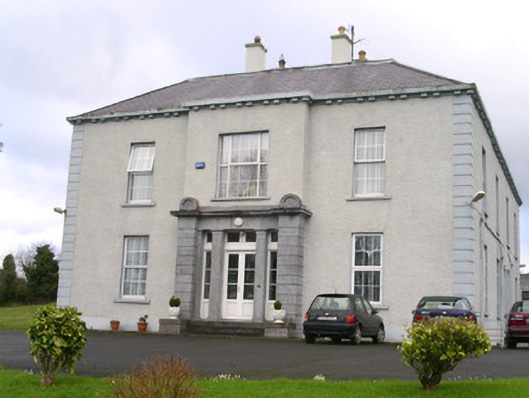 Earlsfieldhouse · 780 yd
 IndicatedFairy fort / earthen ringfort · 823 yd
 Enclosure in Carrigans UpperEnclosure · 833 yd
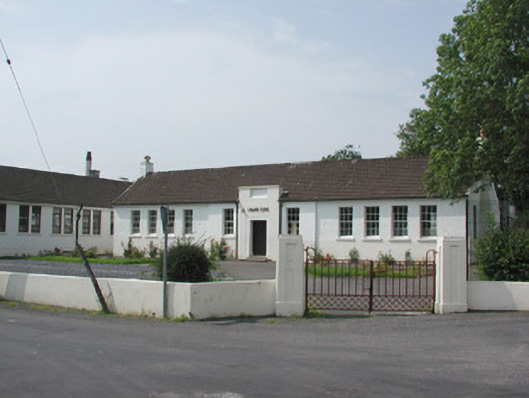 Ballymote Technical Schoolschool · 1044 yd
 Brother WalfridMemorial · 1377 yd
 Ballymote CastleCastle · 1492 yd
 RathdoonyCastle, motte · 1523 yd
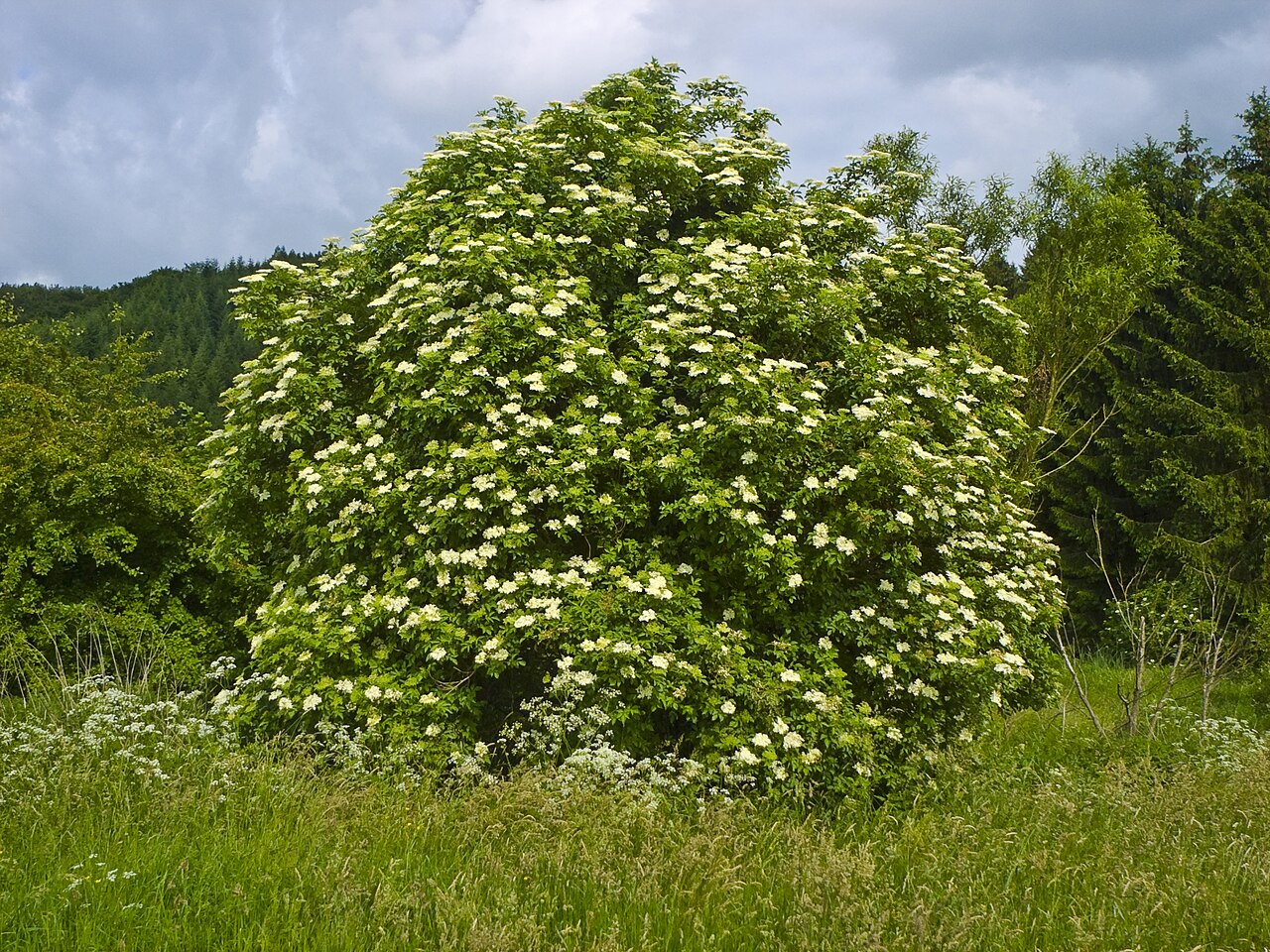 ElderElder · 2.8 mi
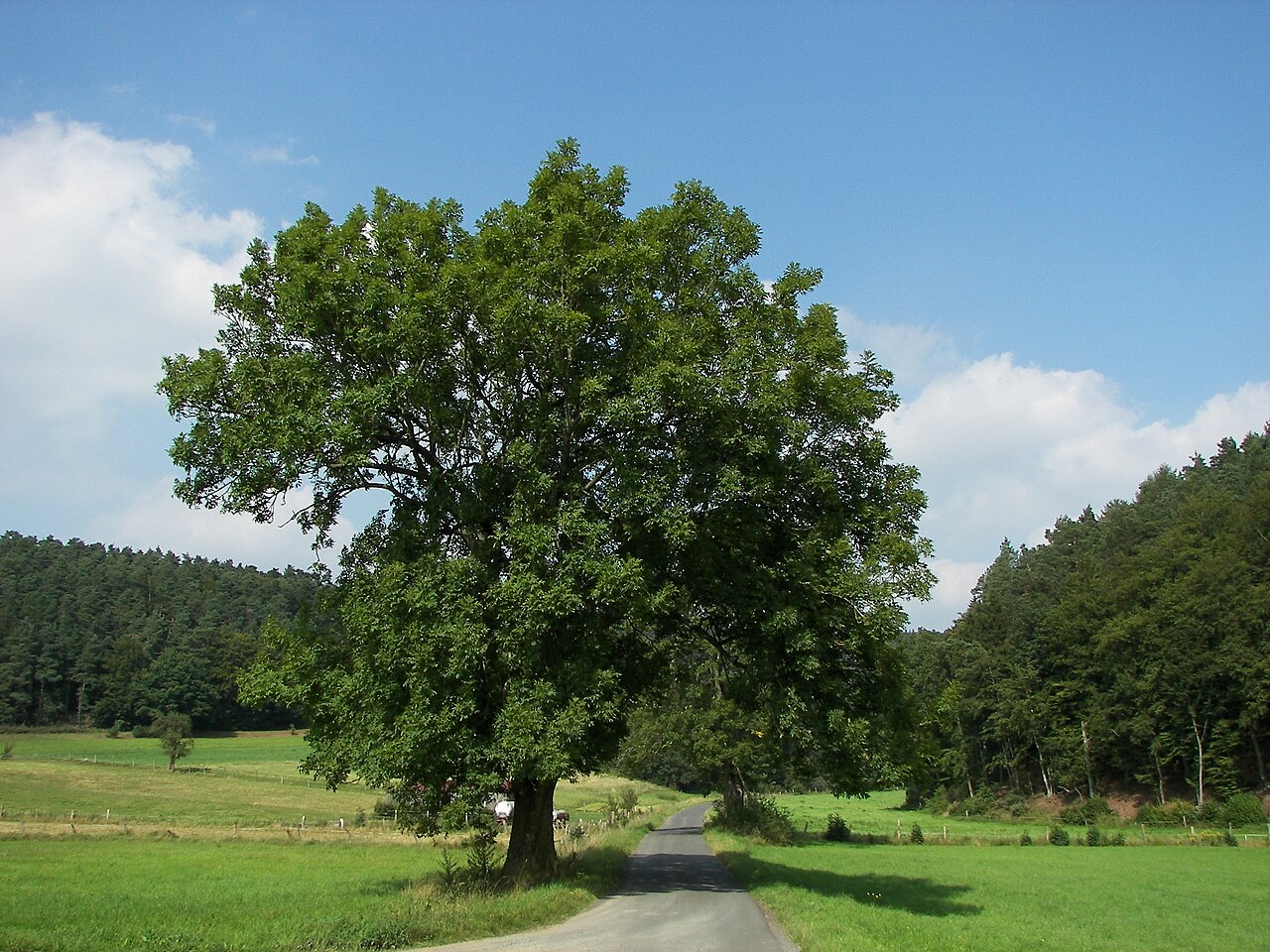 European ashEuropean ash · 3.3 mi
 James MorrisonMemorial · 3.8 mi
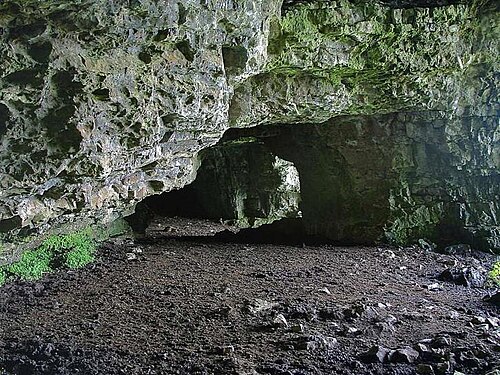 Caves of KeshCave · 4.0 mi
 School CaveCave · 4.1 mi