What is recorded here
In 1940, an excavator clawed two urns from a Balleally sandpit, stripping their bases and exposing ancient ashes to modern air. The vessels may have held food for the dead rather than bones, suggesting a banquet prepared for someone no longer breathing. They emerged broken because machinery does not recognise sacrifice, yet the act of burying them implies a community that believed departure required hospitality.
Mechanical excavation of a sandpit in 1940 uncovered two cinerary urns (NMI 1940:81a). The burial type is not known. They are probably food vessel urns (Mount 1989, 270-280). Both vessels are missing their bases which suggests that they were inverted when they were damaged by the mechanical excavator (Waddell 1990, 80). Not precisely located.
Compiled by: Geraldine Stout
Date of upload: 26 August 2011
Urn burial, likely dating to the Early Bronze Age. The presence of food vessel urns suggests a funerary practice associated with cremation and ritual deposition, common in Ireland during this period.
The monument record does not grant public access. Check the route and ask the landowner before entering private land.
- What survives
- Recorded monument
Places near here
 Burial mound in Balleally WestBurial mound · 552 yd
 pier/jettypier/jetty · 715 yd
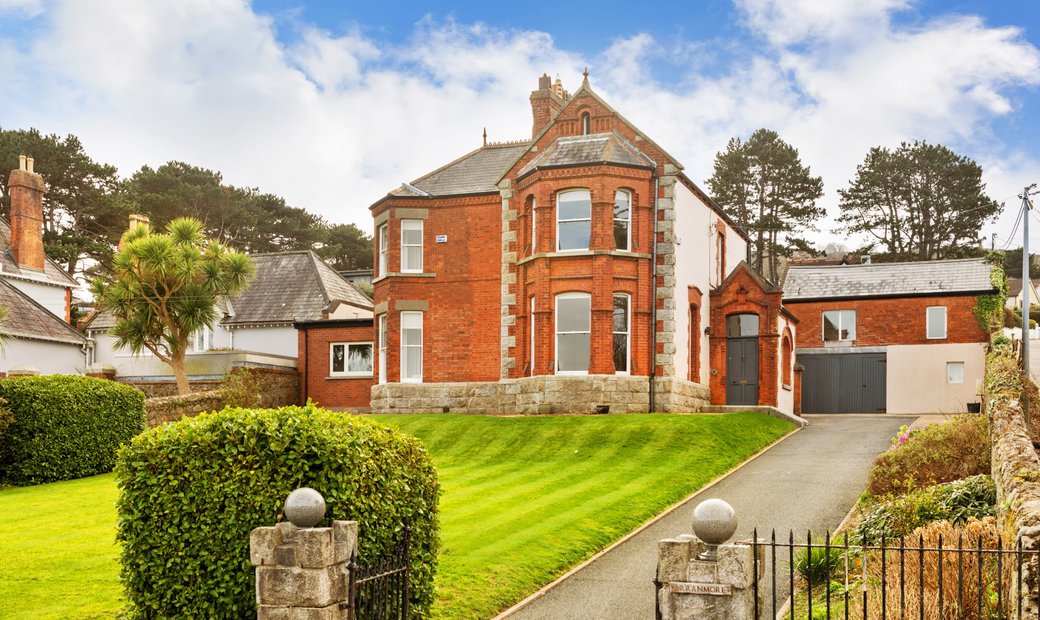 Bridetree WellHoly well · 835 yd
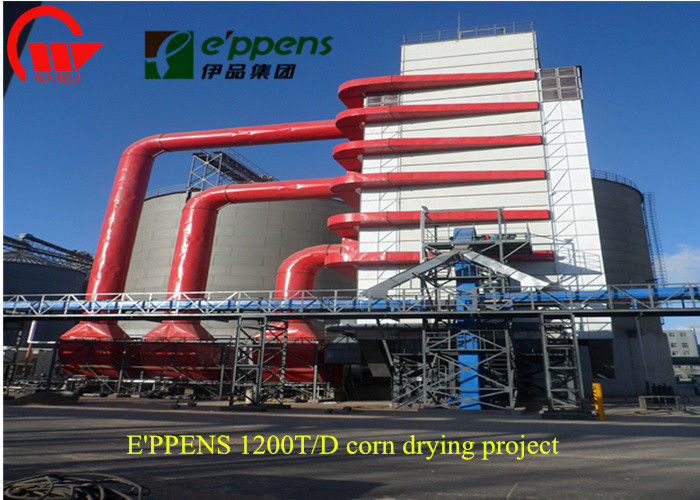 KilnKiln, corn-drying · 1050 yd
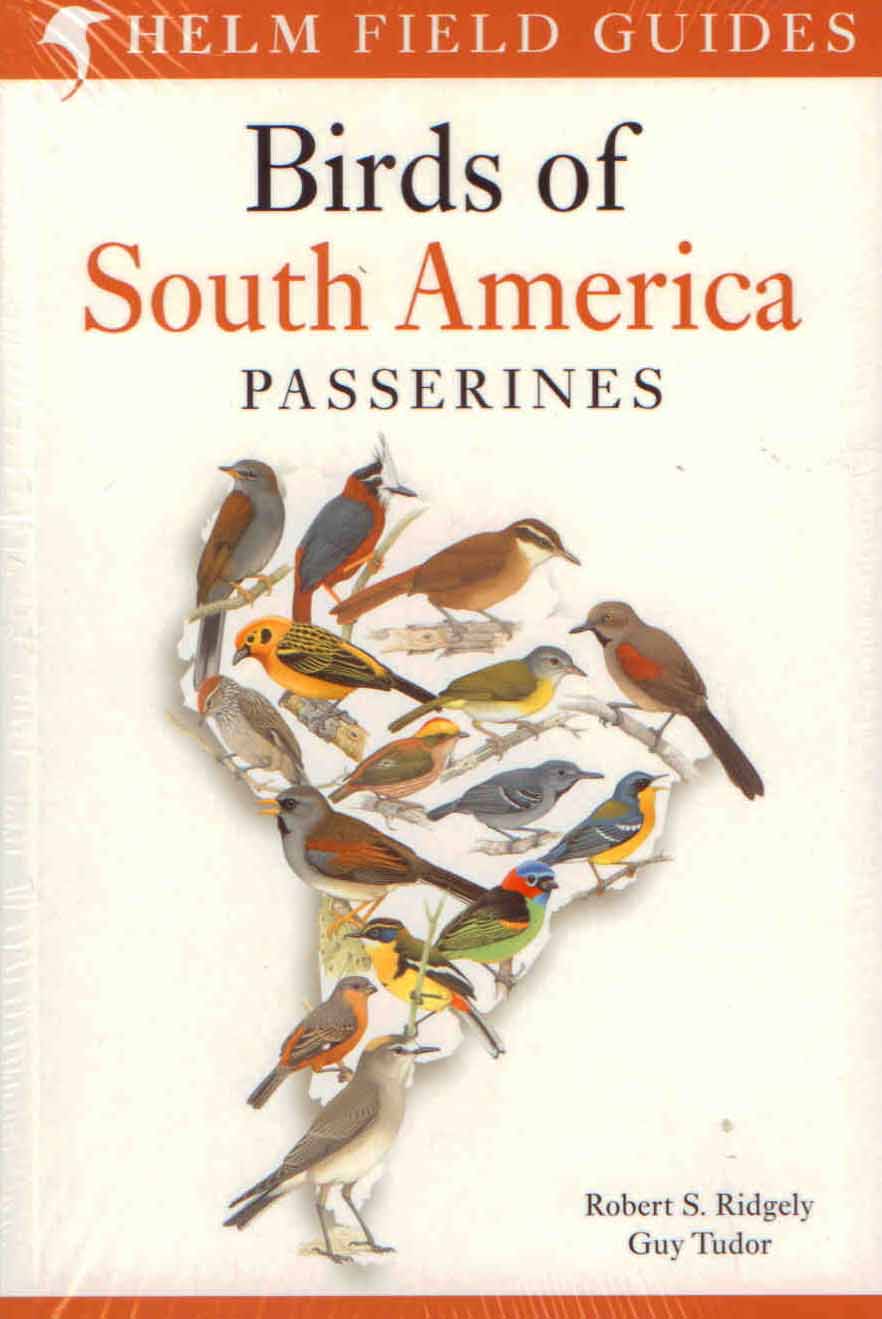 The Birds of Rogerstown EstuaryVisitor information · 1295 yd
 Chapel FarmMemorial · 1470 yd
 Orlynn ParkMemorial · 1475 yd
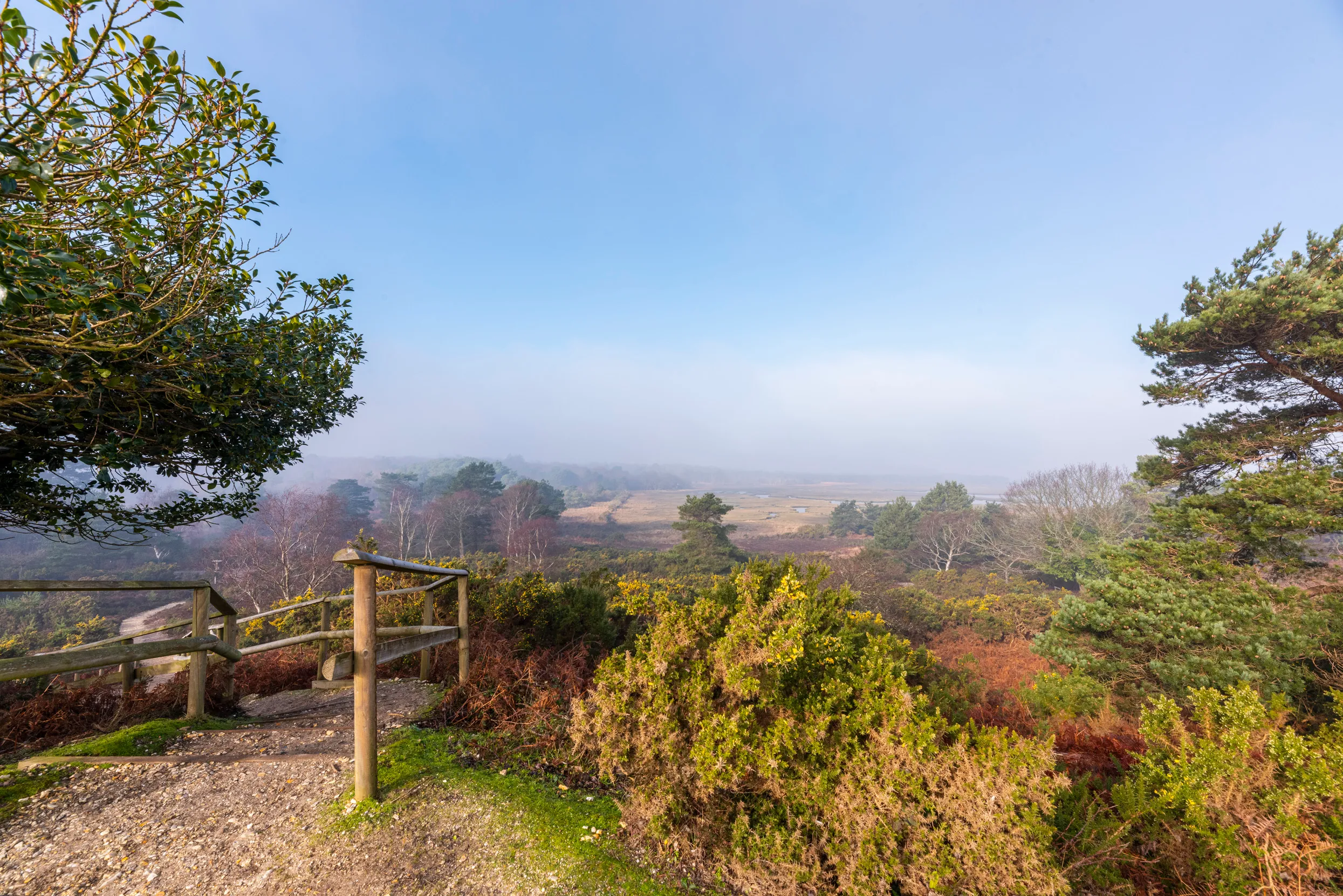 Turvey Allotments and Nature ReserveNature reserve · 1.1 mi
 Turvey HouseCastle, tower house · 1.1 mi
 Tourist InformationVisitor information · 1.6 mi
 Newbridge House and DemesneHeritage attraction · 1.7 mi
 TowerCastle, tower house · 1.7 mi