
What is recorded here
Turvey House, a tower castle for the Barnewall family in County Dublin, still holds fragments of its three building phases beneath rubble and overgrowth. The earliest was a rectangular tower with a north-west angle tower, a collapsed barrel vault, and a double garderobe chute cutting through the north wall. A late 16th-century L-shaped wing extended southward, leaving behind window fragments, a doorway and a fireplace. The whole was later taken down in 1987, yet the ground still remembers the shape of what stood there.
Turvey House was an early 18th-century residence, which incorporated an earlier tower house and a late 16th-century house associated with the Barnewall family. The castle was reputedly built from the stones of the nunnery of Grace Dieu (DU. It was demolished in 1987. However archaeological monitoring of rubble removal in 1993 revealed upstanding remains of these three phases of building on the present site. The earliest phase identified was the construction of a rectangular tower house (L 11.5m; Wth 8m) with an angle tower in the NW corner. There was a barrel vault over ground floor, now collapsed. The sections, which survive, show evidence of wicker-centring. Original features include a double garderobe chute in the N wall of the angle tower and a splayed window embrasure. The tower house was extended to the S by the addition of an L-shaped building of late 16th-century date. Fragments of four original windows remain in situ, one of which is the sill for a three light window. An original doorway and fireplace was also revealed (Moylan 1961, 22-3, Murtagh 1993, 33-34; ). The site is now fenced off and overgrown.
Compiled by: Geraldine Stout
Updated by: Christine Baker
Date of upload: 19 December 2014
Turvey House was built in the early 18th century by the Barnewall family, who had been associated with the site since the late 16th century; it is remembered for incorporating stones from a dissolved nunnery, reflecting the reuse of monastic materials in post-Reformation architecture.
The monument record does not grant public access. Check the route and ask the landowner before entering private land.
- What survives
- Recorded monument
Places near here
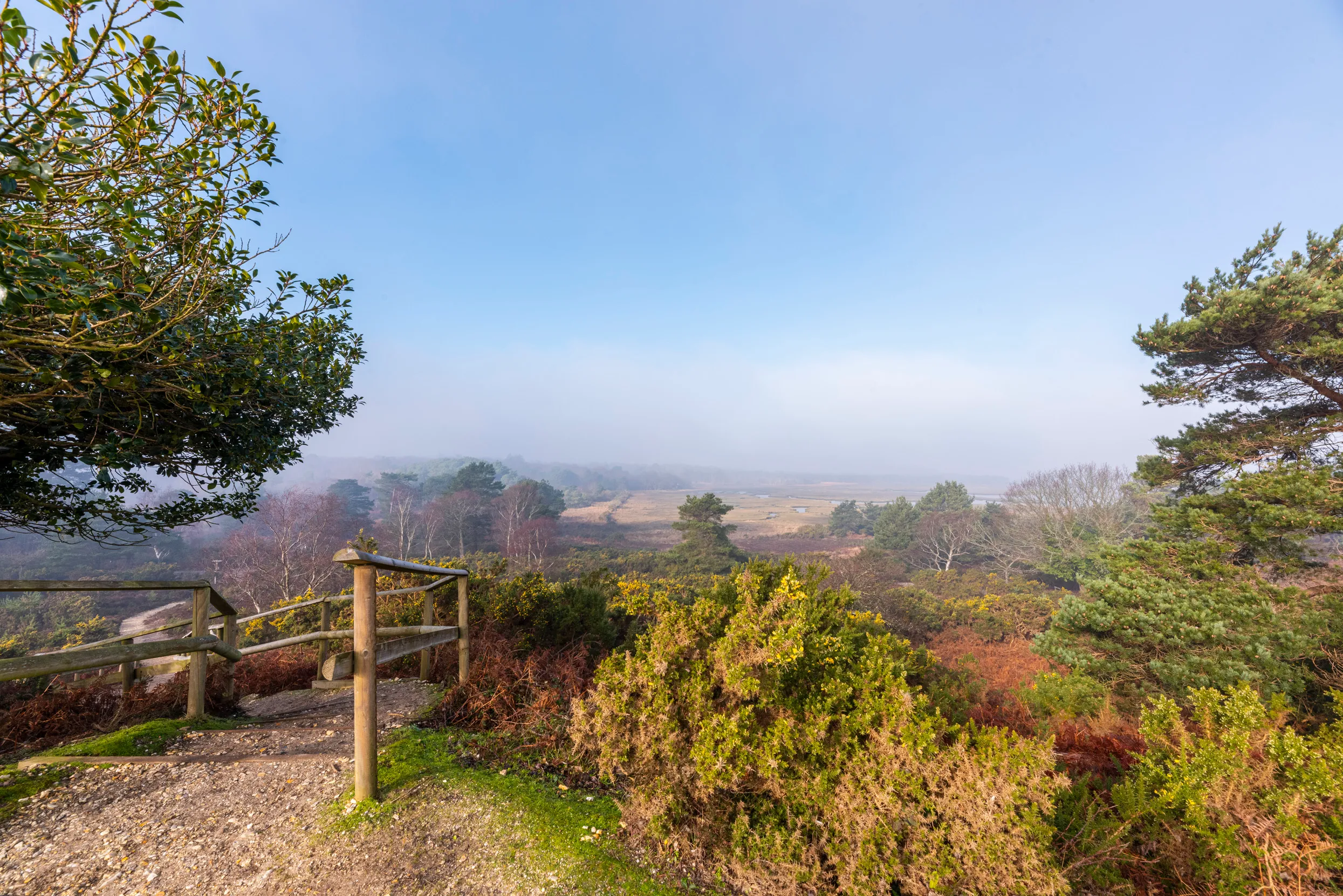 Turvey Allotments and Nature ReserveNature reserve · 159 yd
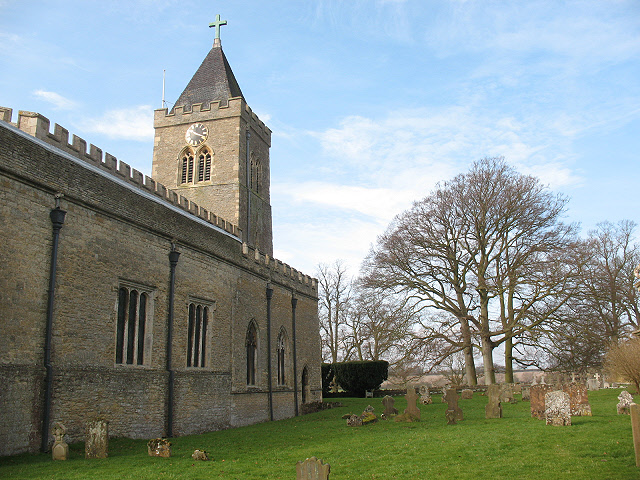 Burial in Turvey (nethercross By.)Burial · 184 yd
 Enclosure in Turvey (nethercross By.)Enclosure · 436 yd
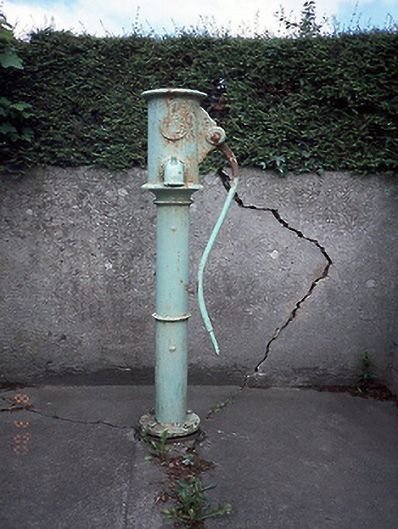 water pumpwater pump · 764 yd
 The Birds of Rogerstown EstuaryVisitor information · 935 yd
 Tourist InformationVisitor information · 1004 yd
 Newbridge Housecountry house · 1038 yd
 Newbridge House and DemesneHeritage attraction · 1135 yd
 Lanestown Castle in ruinsCastle, tower house · 1377 yd
 TowerCastle, tower house · 1.0 mi
 Donabate Distributor RoadMemorial · 1.0 mi
 Old Post OfficeMemorial · 1.1 mi
Other information
Photo: Credit not shown in the picture search · Rights wording not checked; contact us if this picture should be removed