What is recorded here
Tulllow is an Anglo-Norman market town on the Slaney River in County Carlow, Ireland. It grew from an Early Christian monastery into a borough under John de Hereford and Hugh de Lacy, with Theobald Walter likely helping found it before 1206. An Augustinian friary appeared in 1314, while later English revival reshaped Market Square and surrounding streets. The town survived Gaelic pressures that erased neighbouring settlements, preserving a rare continuous line from monastic origin through Norman trade to modern memory.
The following description is derived from the published 'Archaeological Inventory of County Carlow' (Dublin: Stationery Office, 1993). In certain instances the entries have been revised and updated in the light of recent research.
Date of upload/revision: 17 July 2007
Tullow is situated on the Slaney River in the east of the county. The placename is derived from Tullach, “a mound”, probably derived from the mound (CW008-045009-) which was levelled during the 1980s on the south-west side of the town. Both the surviving monuments and the documentary sources indicate that Tullow was the site of an Early Christian monastery (Not Located). After the coming of the Normans, the initial grant of Tullow appears to have been to John de Hereford for whom Hugh de Lacy constructed a motte (CW008-045002- Not Located) c. 1181 (Scott and Martin 1978, 195, 340: n.365). The date of the foundation of the borough is unclear but Empey's work on Theobald Walter would suggest that it was probably in his lifetime (i.e. before 1206). The foundation of the Augustinian Friary CW008-045001- Not Located) in 1314 suggests that there was an atmosphere of prosperity in the settlement. Although references are scarce in the later fourteenth and fifteenth centuries there is no evidence that the settlement was actually abandoned. With the revival of English interest in Ireland during the sixteenth and seventeenth centuries the town took on a new phase of prosperity and much of its present layout, particularly around Market Square, probably belonged to this time.
Tullow is an example of a small Angle-Norman market town. Archaeologically its importance is threefold. Firstly it is an example of a pre-Norman monastery which was developed into an Anglo-Norman town. Secondly, as an example of a small Anglo-Norman town, and thirdly, as one of the few Anglo- Norman settlements in Carlow to have survived the Gaelic revival of the fourteenth and fifteenth centuries. The archaeological and documentary data indicates that it has been the scene of human occupation since at least the eleventh century. (Bradley 1989; 65-73)
The monument record does not grant public access. Check the route and ask the landowner before entering private land.
- What survives
- Recorded monument
Places near here
 Slaney Bridgebridge · 17 yd
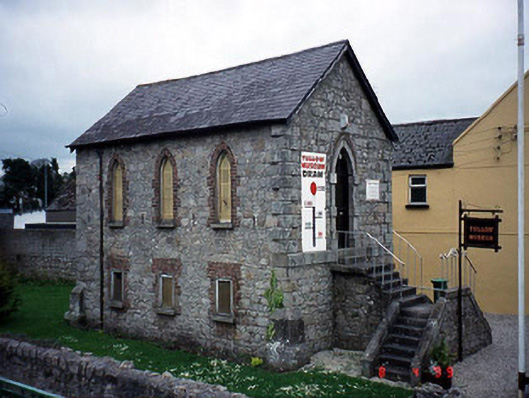 Tullow Methodist Churchchurch/chapel · 20 yd
 CrossCross, High cross (present location) · 112 yd
 Marked as Abbey (site of)Religious house, Augustinian friars · 142 yd
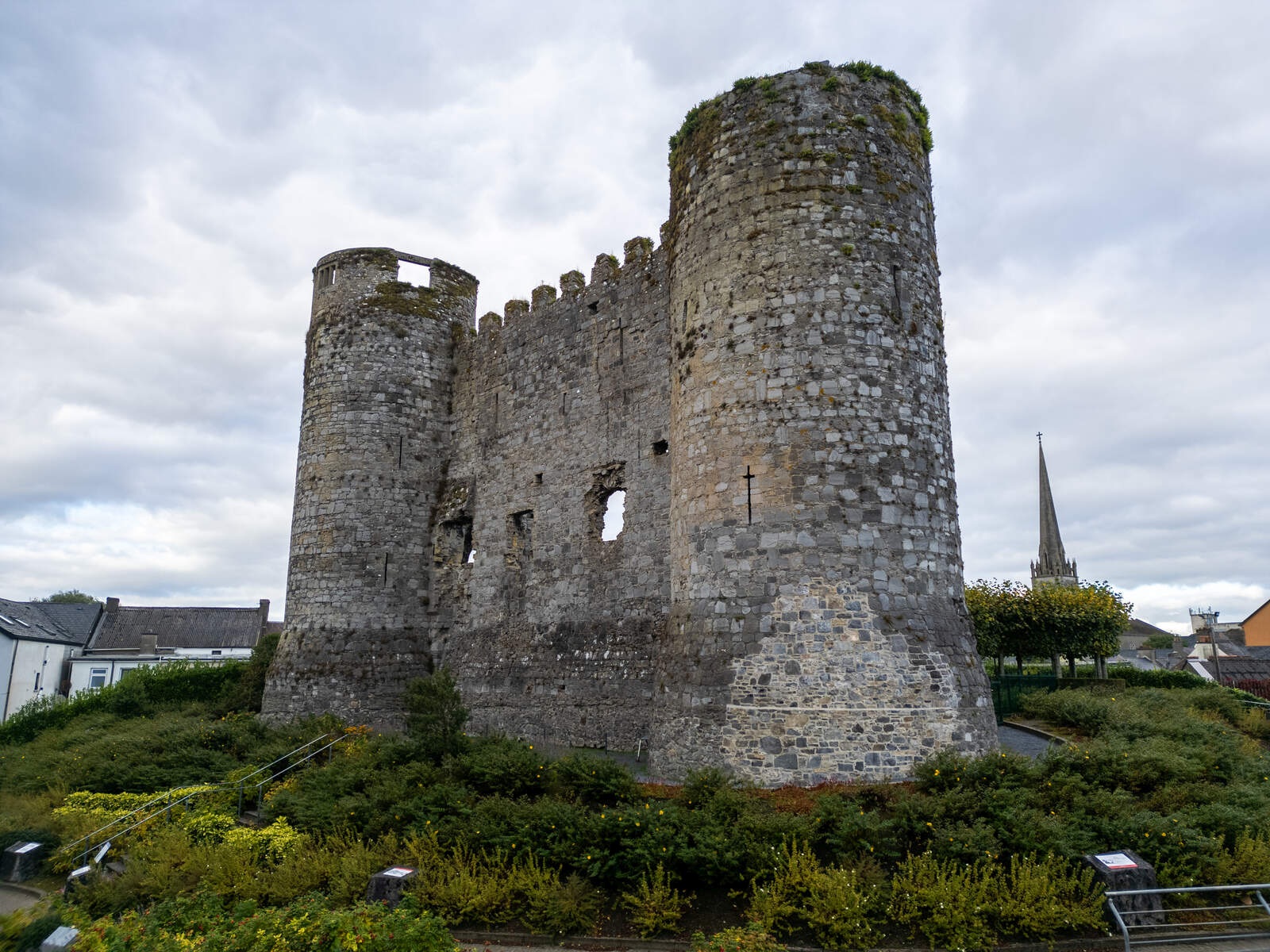 CastleCastle, motte · 367 yd
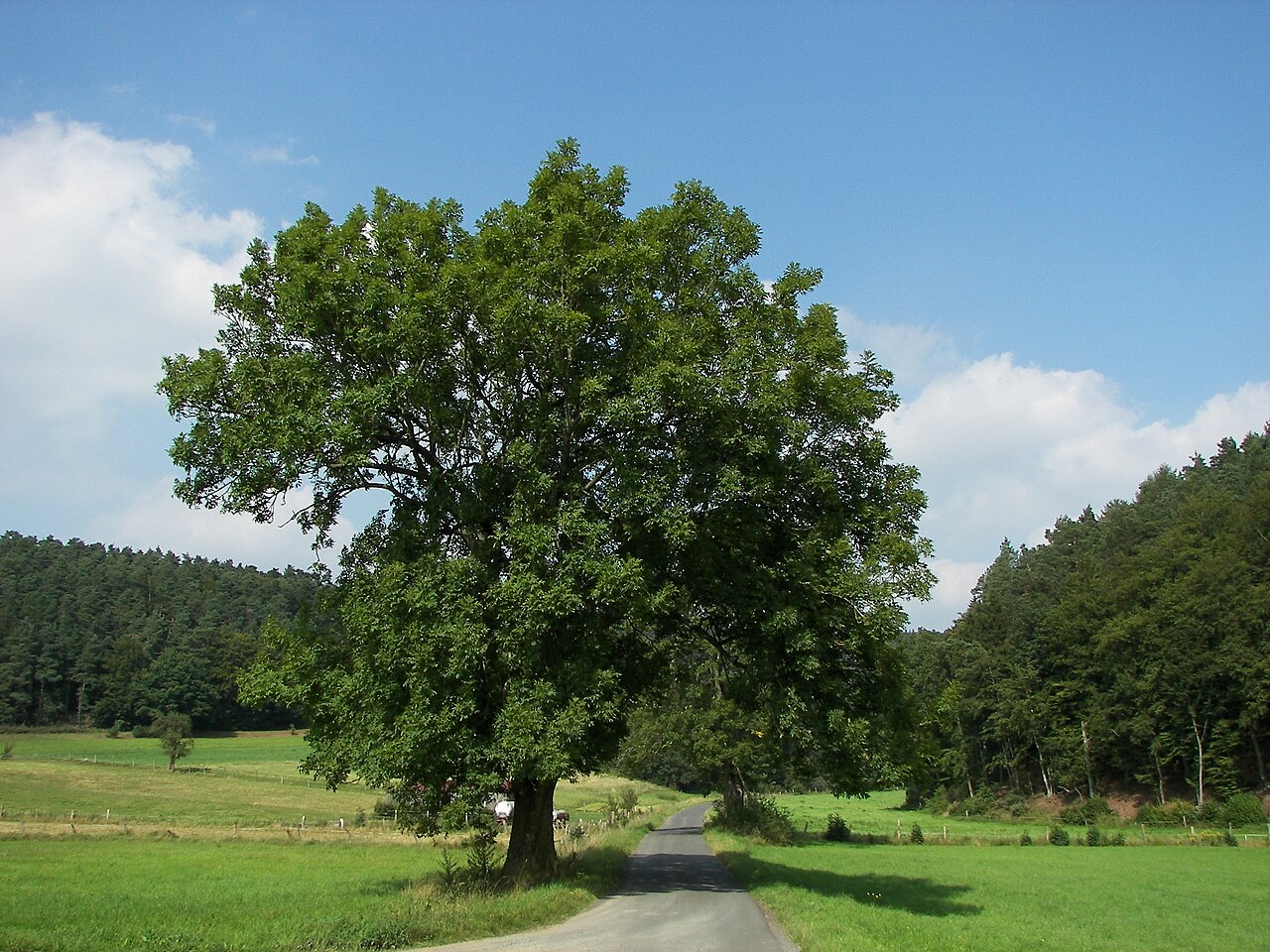 European ashEuropean ash · 1.5 mi
 Coppenagh CastleCastle, tower house · 1.9 mi
 Rath WoodForest · 2.8 mi
 Kilmurry Church (in ruins), GraveyardChurch · 4.1 mi
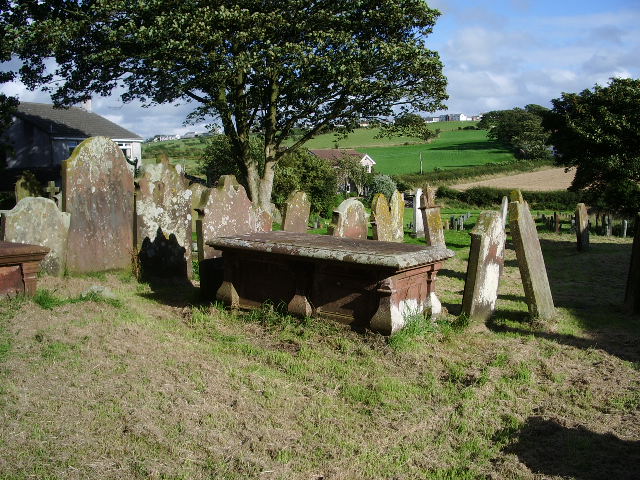 Acaun Church (in ruins), GraveyardChurch · 4.4 mi
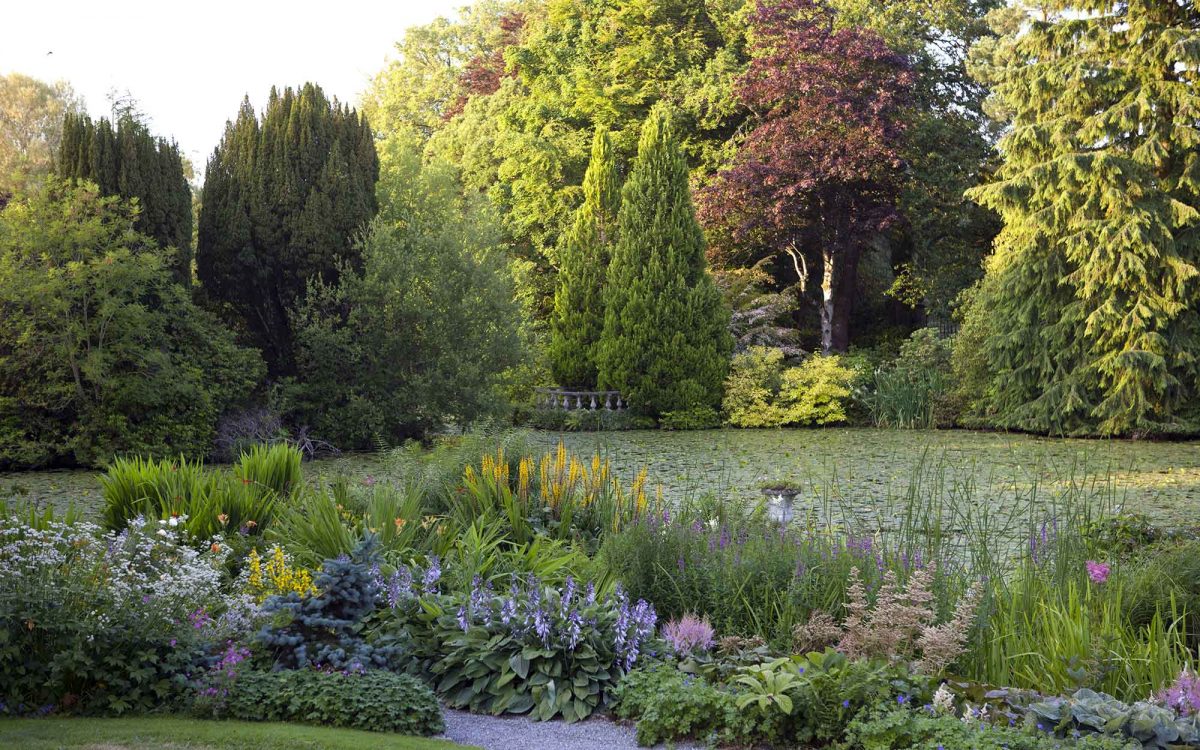 Altamont House and GardensHeritage attraction · 4.7 mi
 Altamont Gardens MapVisitor information · 4.7 mi