What is recorded here
A tapered effigial slab from the 13th or 14th century lies broken into fragments, its head and foot lost to time. It sank into the River Nore near Kilkenny, perhaps dumped by iconoclasts during the Reformation or reused as bridge rubble. The stone survived only because the river kept it, waiting for human hands to pull it back into light.
Currently in storage with the National Museum of Ireland (see find location KK019-026274-). One of five partial funerary monuments which were recovered from the River Nore at Kilkenny City, Kilkenny during the archaeological excavations (01E0036) carried out in 2001 as part of the River Nore Drainage Scheme (Brady 2004, unpublished). These were found associated with the late medieval bridge (KK019-026070-), immediately N of the current John’s Bridge, Kilkenny. Brady (ibid. 22) suggests that these monuments were deliberately defaced and dumped in the river by iconoclasts during the Reformation in the 1540s. The closest church is St Mary’s parish church, Kilkenny (KK019-026115-) c. 100m to the W, with St John’s Priory, Kilkenny (KK019-026068-) a little further, being c. 200m to the NE. Doyle and O’Meara (2004, 16-19) contend that the these monuments may have been seen as a convenient supply of stone, and were deliberately reused as part of the rubble needed to form a protective apron for the piers of the late medieval bridge.
An effigial tomb (L 1.62m; Wth 0.58m; T 0.15m), described by Brady (ibid., 46) as an, ‘eroded and much fragmented tapered effigial slab in four large fragments and a fifth fragment that is shattered into six pieces. The head and foot portions do not survive. A rounded edge and groove runs along both long sides. The slab is tapered from head to foot. Further details, and whether it had an image on its surface do not survive’. Stylistically this dates to the 13th/14th century.
Reference:
Brady, N. 2004 Archaeological investigation and excavation John’s Bridge, Kilkenny: River Nore flood alleviation scheme. Excavation licence no. 01E0036. The Archaeological Diving Company Ltd. Unpublished final report.
Compiled by: Jean Farrelly
Date of upload: 8 March 2023
Effigial tomb; medieval period. It is significant as one of a small number of surviving medieval effigial tombs in Ireland, representing funerary art associated with the Butler dynasty or other local aristocracy.
The monument record does not grant public access. Check the route and ask the landowner before entering private land.
- What survives
- Recorded monument
Places near here
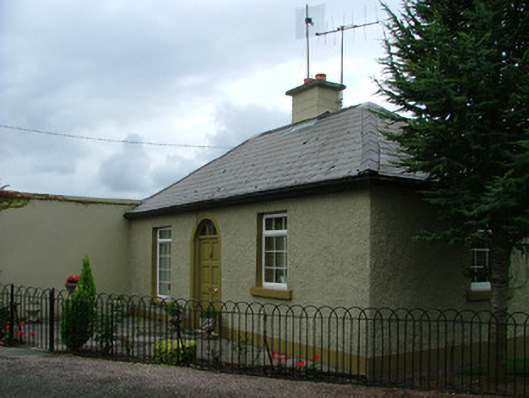 Saint Conleth's Reformatorygate lodge · 135 yd
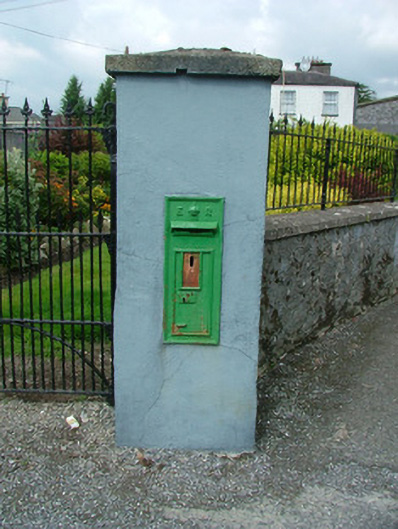 post boxpost box · 171 yd
 Town defences in Townparks (phillipstown Lower By.)Town defences · 423 yd
 Toberronan WellHoly well · 453 yd
 Fort Castle (in Ruins)Bawn · 814 yd
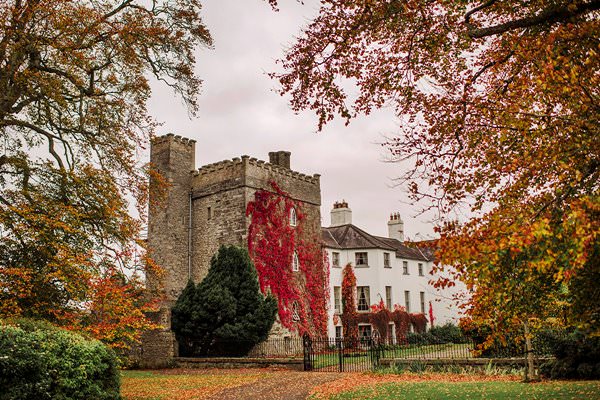 Castle Barnagh (Site of)Bawn · 1024 yd
 Croghan Hill WalkVisitor information · 2.9 mi
 Finnrenashark Holy WellSpring · 3.0 mi
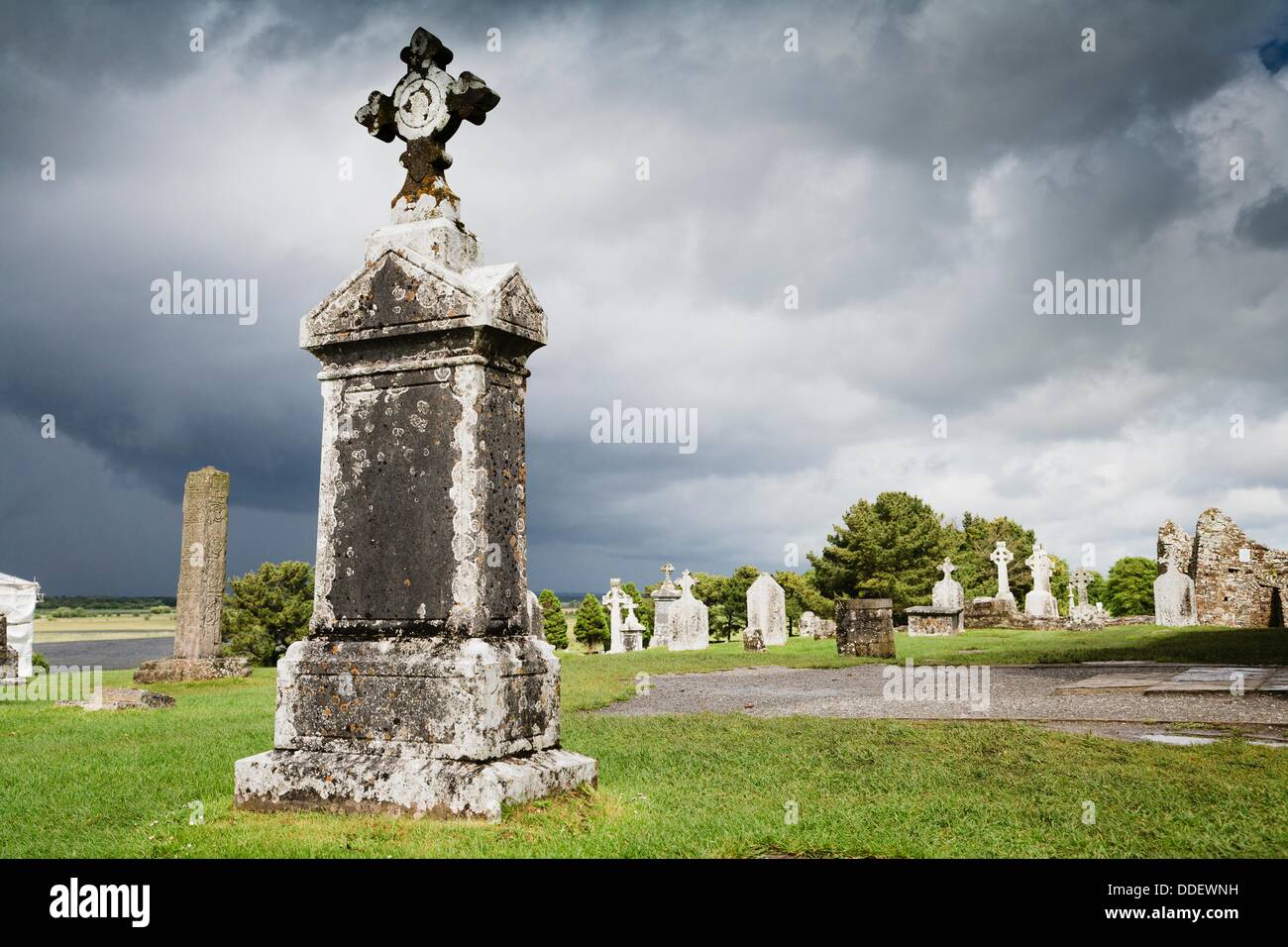 Graveyard in BallycommonGraveyard · 3.2 mi
 Croghan HillMountain / peak · 3.3 mi
 Mountlucas Wind Farm Visitors CentreVisitor information · 3.4 mi
 Children's WellSpring · 3.8 mi