
Places near here
Photo credits
- Iodate, Wikimedia Commons · CC BY-SA 4.0
- A.-K. D., Wikimedia Commons · CC BY-SA 4.0
- Algirdas at Lithuanian Wikipedia, Wikimedia Commons · Public domain
- Mike Searle, Wikimedia Commons · CC BY-SA 2.0
- Kk, Wikimedia Commons · CC0
- Age Bosma, Wikimedia Commons · CC BY-SA 3.0
- VisionsofthePast, Wikimedia Commons · CC BY-SA 4.0
- Smirkybec, Wikimedia Commons · CC BY-SA 4.0
- Jonathan Billinger, Wikimedia Commons · CC BY-SA 2.0
- Nico Kaiser, Wikimedia Commons · CC BY 2.0
 Church (in Ruins)Church · 1185 yd
Explorer Tom Sleaty Church is suspicious of the postman because he never delivers anything interesting to it. St Fiac was the bishop here, so this place has serious clout and attitude. A good place to forget your phone for ten minutes.
 Bestfield LockLock · 1438 yd
Explorer Tom Bestfield Lock is sitting there with its replacement gates from 1990 looking like it hasn't had a proper drink since the seventies. Bring a flask of something warm and a story to swap while you watch it mope.
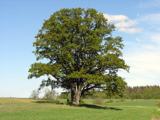 Pedunculate Oak1457 yd
Explorer Tom Pedunculate Oak in County Laois is sick of people asking if it’s haunted; it’s just got bad weather in its branches. It’s not spooky, it’s just messy. Tell the next person you meet it's haunted. It might be.
Church (in ruins), GraveyardChurch · 1.0 miExplorer Tom Church, Graveyard in Bestfield OR Dunganstown is just some wall bits and a gable, which is like buying a car without the wheels. The name suggests you might be somewhere else entirely, so good luck figuring that out. Ideal place to rehearse an excuse for being late.
_-_geograph.org.uk_-_2495037.jpg/250px-Castles_of_Leinster,_Shrule,_Laois_(1)_-_geograph.org.uk_-_2495037.jpg "Photo: Mike Searle, Wikimedia Commons · CC BY-SA 2.0") Castle (in ruins)Castle, tower house · 1.2 mi
Castle (in ruins)Castle, tower house · 1.2 miExplorer Tom Castle in Shrule is secretly proud of one specific potato that grew near its foundation, claiming it was the first one ever baked, which is total nonsense. Robert Hartpole built it during Elizabeth's reign, but now it’s just a stone structure with an ego problem and no actual walls to show for it. Have a sandwich here and call it a heritage lunch.
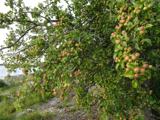 European Crab Apple1.7 mi
Explorer Tom European Crab Apple hears the neighbours arguing through its bark and pretends not to care. It produces tiny, sour fruit that no one wants but everyone respects. Perfect detour when the satnav has a meltdown.
 Carlow CastleRuined medieval castle · 2.0 mi
Explorer Tom Carlow Castle is a thirteenth-century ruin that probably thinks it's way more impressive than it actually is right now. Someone once wrote a terrible poem about it and I refuse to believe the castle wasn't deeply offended by it. Bring a notebook and write down the bit I made up about the dragon.
 CastleCastle, Anglo-Norman masonry castle · 2.1 mi
Explorer Tom Castle in Carlow is a massive keep that probably hears every secret told within earshot and judges you for it. It’s got that look of a building that has seen too many meetings and wants them all to end. Bring a notebook and write the bit I made up.
 Carlow County MuseumMuseum · 2.2 mi
Explorer Tom Carlow County Museum is whispering secrets through its walls that only the very quiet can hear. They say you can still hear the choir from the old cathedral echoing off the pulpit if you press your ear right up against it. Look serious, nod slowly, you're basically an expert now.
 Battle of CarlowBattle · 2.2 mi
Explorer Tom Battle of Carlow in County Carlow nearly became famous for having nothing happen at all, which is quite the achievement. It’s basically a great big field that refuses to pick a side, ever. Perfect spot to practise your best tour-guide voice.
 Font in KilleshinFont · 2.2 mi
Explorer Tom Font in Killeshin is the hero nobody remembers who saved the day. It’s got a tiny hole on top, probably for a very specific type of hat. Stand on the spot and imagine the gossip it's heard.
 Courthouse in CarlowCourthouse · 2.7 mi
Explorer Tom The Courthouse in Carlow was originally just a hall opposite the castle where they decided who owed money to whom. It probably still smells of old ink and bad decisions. Mind the nettles, they’re the real guards here.
More archaeology and monuments in County Laois · All of County Laois

What do you know about this place?Tap to add a comment or ask a question