What is recorded here
Tobernagalt/Tobar na nGealt [Well of the Lunatics/Well of the Naked: Gleann na nGealt has been the traditional resort of mad people since at least the 17th century (De Brún 1973, 197-9). They came to drink the water from 2 wells in the valley and to eat the watercress. This well is situated in an area of dense wood and its location could not be identified on this occasion but it was apparently a natural spring with a rivulet flowing from it (OSNB Kilgobban, 41). Joyce (1869, 161) recorded the following details about this well; 'There are two wells [KE036-071----] in the glen, called Tobernagalt, the lunatics’ well, to which the madmen direct their way, crossing the little stream that flows through the valley, at a spot called Ahagaltaun, the madman’s ford, and passing by Cloghnagalt [KE036-058----], the standing stone of the lunatics; and they drink of the healing waters, and eat some of the tresses that grow on the margin, the water and the cress, and the secret virtue of the valley, will restore the poor wanderers to sanity'.
Ó Danachair (1960, 77) recorded the following details about this well; ‘called "Tobar na nGealt", "Tobar na Geilte" or " Madman's Well" locally. Neither is regarded as a holy well but both held a cure for the lunatics who flocked to Gleann na nGealt, in which they are situated, to drink the water and eat the water-cresses. There are many tales of cures’.
(See also KE036-071---- and KE036-058----)
See attached colour photographs courtesy of Amanda Clarke.
The above description is derived from J. Cuppage, ‘Corca Dhuibhne. Dingle Peninsula archaeological survey. Ballyferriter. Oidhreacht Chorca Dhuibhne’ (1986), no. 960. In certain instances the entries have been revised and updated in the light of recent research.
Revised by: Caimin O'Brien
Date of revised upload: 16 May 2022
Tobernagalt, also known as Tobar na nGealt, is associated with a tradition of pilgrimage by those suffering from mental illness, particularly linked to the nearby Gleann na nGealt (Valley of the Lunatics), where such practices date back to the 17th century. The name suggests a historical connection to folk beliefs in the curative powers of the well's water for mental ailments.
The monument record does not grant public access. Check the route and ask the landowner before entering private land.
- What survives
- Recorded monument
Places near here
 Hut site in FoilatrisnigHut site · 173 yd
 Enclosure in FoilatrisnigEnclosure · 923 yd
 CorrinMountain / peak · 1716 yd
 Church in Duagh (corkaguiny By.)Church · 1.2 mi
 KnockbegMountain / peak · 1.4 mi
 Saint Mary's Catholic Churchchurch/chapel · 1.6 mi
 Faisr's GraveArchaeological place · 1.7 mi
 Graveyard in Baile An Chnocáin (tc An Cnoc Glas)Graveyard · 1.7 mi
 Site of Camp CastleCastle, unclassified · 1.7 mi
 CastleCastle, unclassified · 2.0 mi
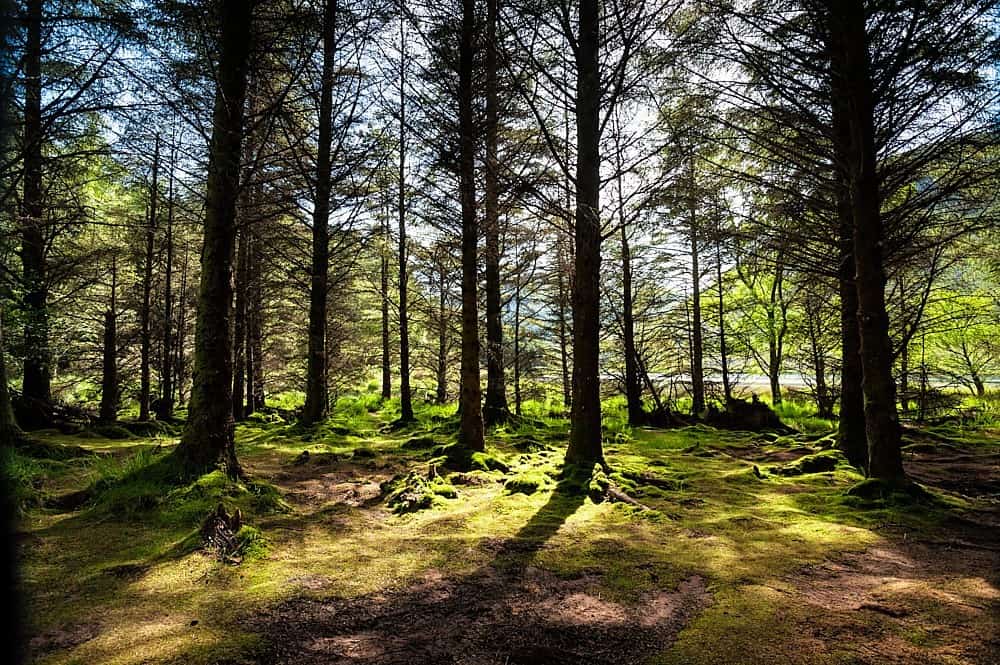 Glanteenassig Forest ParkForest · 4.1 mi
 Samphire Island LittleIslet · 4.9 mi